Lots of inventors invented lots of things in Paris. And at the same time they re-invented themselves – and Paris.
Louis Daguerre invented photography in 1839, followed by the Lumière brothers who showed the first movie in 1895.
Andre Cassagnes came up with the Etch-a-Sketch (1959).

René -Théophile Hyacinthe (what a great name !) developed the stethoscope.
Dr. Guillotine came up with the killing machine.
The brassiere was invented by Hermione Cadolle (as a humane alternative to the corset, as the guillotine was a humane alternative to hanging).

Plus the Michaudine Vélocipède of 1868 by Pierre Michaux – later known as the bicycle.
Fashion – this year’s and last year’s and the idea that you have to keep up – was invented in Paris and the streetlight too.
During the plague years, doctors wore this outfit, designed by Charles Delorme.

Francois Reichelt, “The Flying Tailor” invented the Parachute Suit. Wearing it, he plummeted to his death, falling from the Eiffel Tower on February 4, 1912.

Marcel Duchamp tried his hand at invention with the Rotoreliefs. He rented a stand at the Concours Lépine, the big Paris gadget show, in 1935.

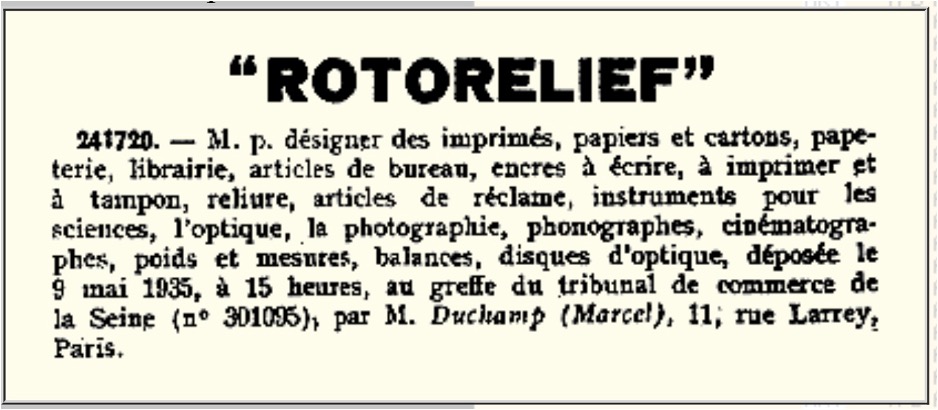
He sold only one, but today the originals sell for a fortune. He also devised a system for breaking even at Monte Carlo and sold shares in the enterprise.

Also not a commercial success.
Gustave Trouvé gets credit on his plaque for inventing the endoscope and the electric tricycle.
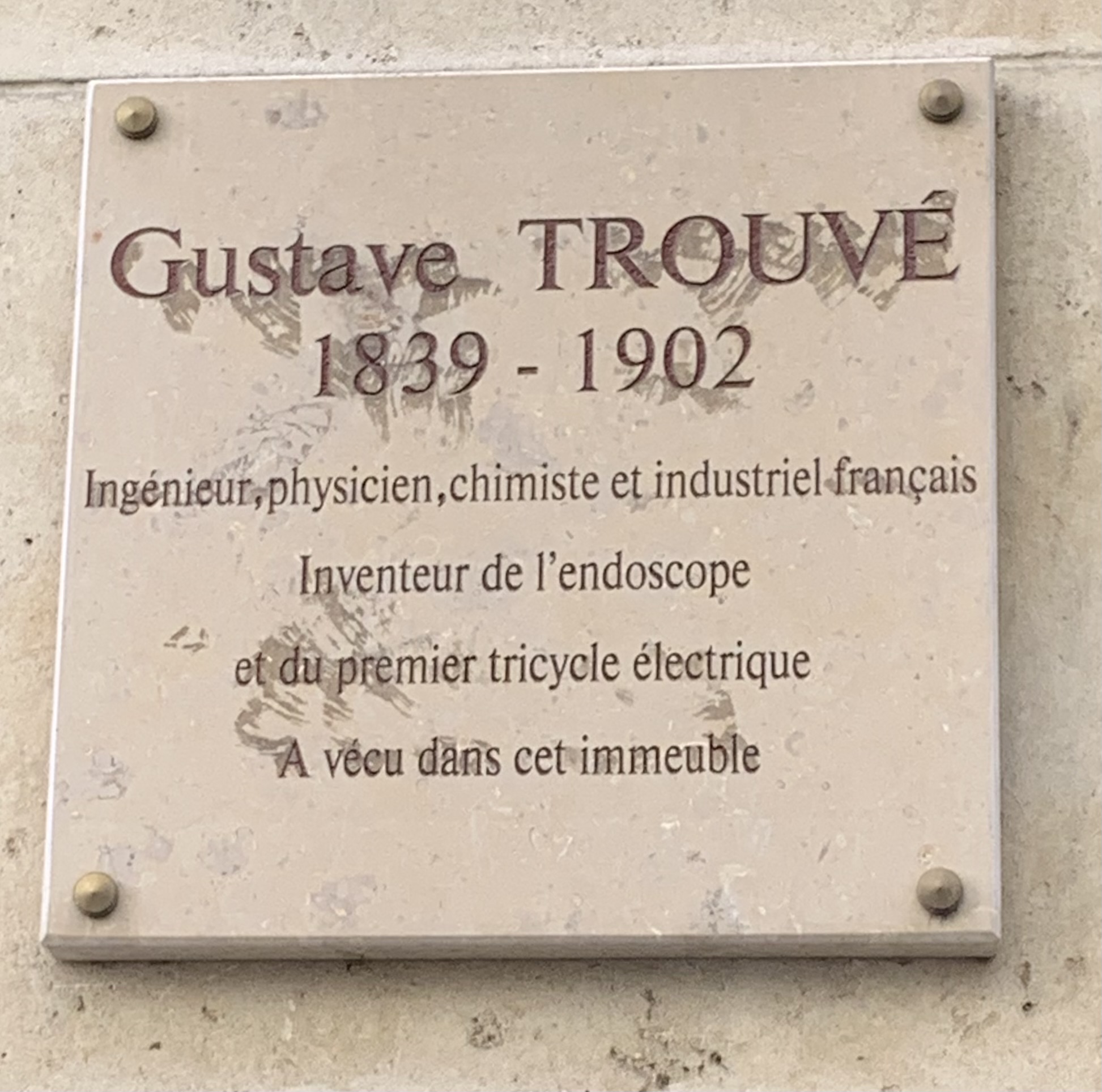
But he invented tons of other handy things – like the first electric vehicle of any kind, in 1880. Plus the outboard motor, the electric piano, a battery that was used for a model airship, the dental drill, sewing machines, and the electric razor. For an ear nose and throat surgeon he devised the first electric headlamp- the « photophore »- and he came up with the electric slide projector. Wikipedia credits him with the « carbon-zinc pocket sized battery to power his miniature electric automata ». He brought us electric jewelry. Among his 75 innovations, he also developed an electric massaging machine, the battery-powered wearable lifejacket, a water-jet propelled boat and a streamlined bicycle, as well as several children’s toys. We can thank M. Trouvé for the liquid filled pantoscope, the electric almanac, the electric paperweight, acetylene domestic lighting, the electric jump rope, the electric reclining chair, and the windmill toy for hats and canes.
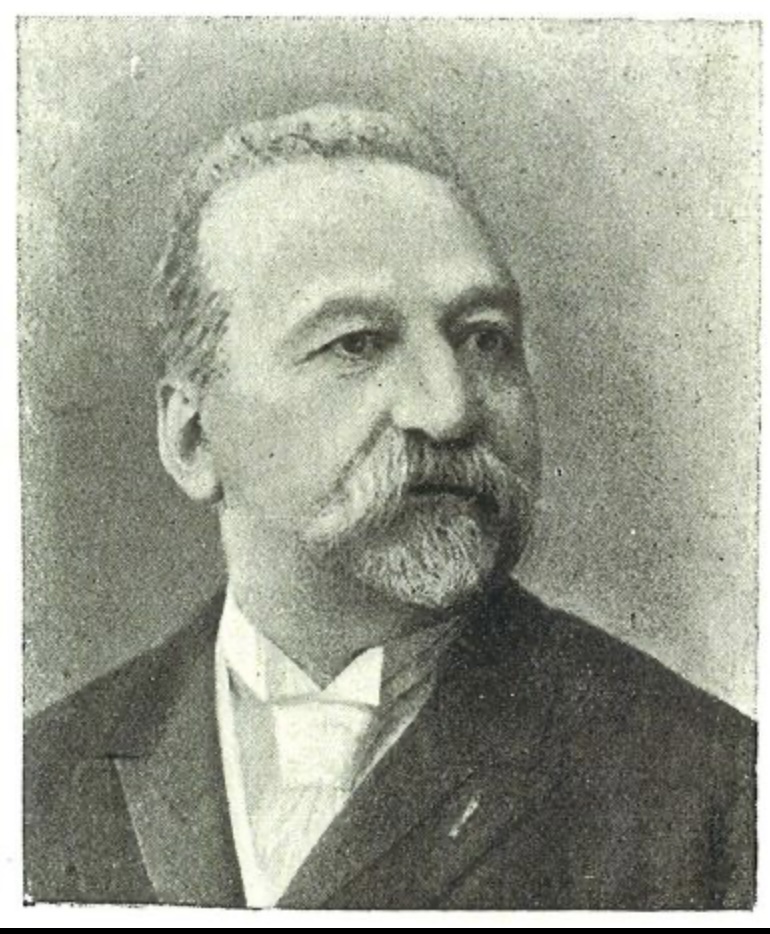
And you’d never know from the plaque on his mansion on the Champs Élysée (now the big Apple Store) what a great inventor Alberto Santos-Dumont was.

Or even that his name has a hyphen.

Jules Verne was his inspiration. He dropped out of engineering school, moved to Paris, and pursued his love of motorcycle racing and aviation (such as it was then). First he pioneered ballooning and dirigibles, inventing model after model and modifying them until moving on to develop the first airplanes.

He beat out the Wright Brothers, tinkering and often crashing on the way.
At the beginning of the 20th century he was the only person in the world capable of controlled flight.
Santos-Dumont was a pacifist and the use of aviation for violence anguished him. He said: « My God! My God! Is there no way to avoid the bloodshed of brothers? Why did I make this invention which, instead of contributing to the love between men, turns into a cursed weapon of war? »
My favorite is nutty professor Roland Moreno, who changed our lives by inventing the computer chip (called in French a flea or « puce »).
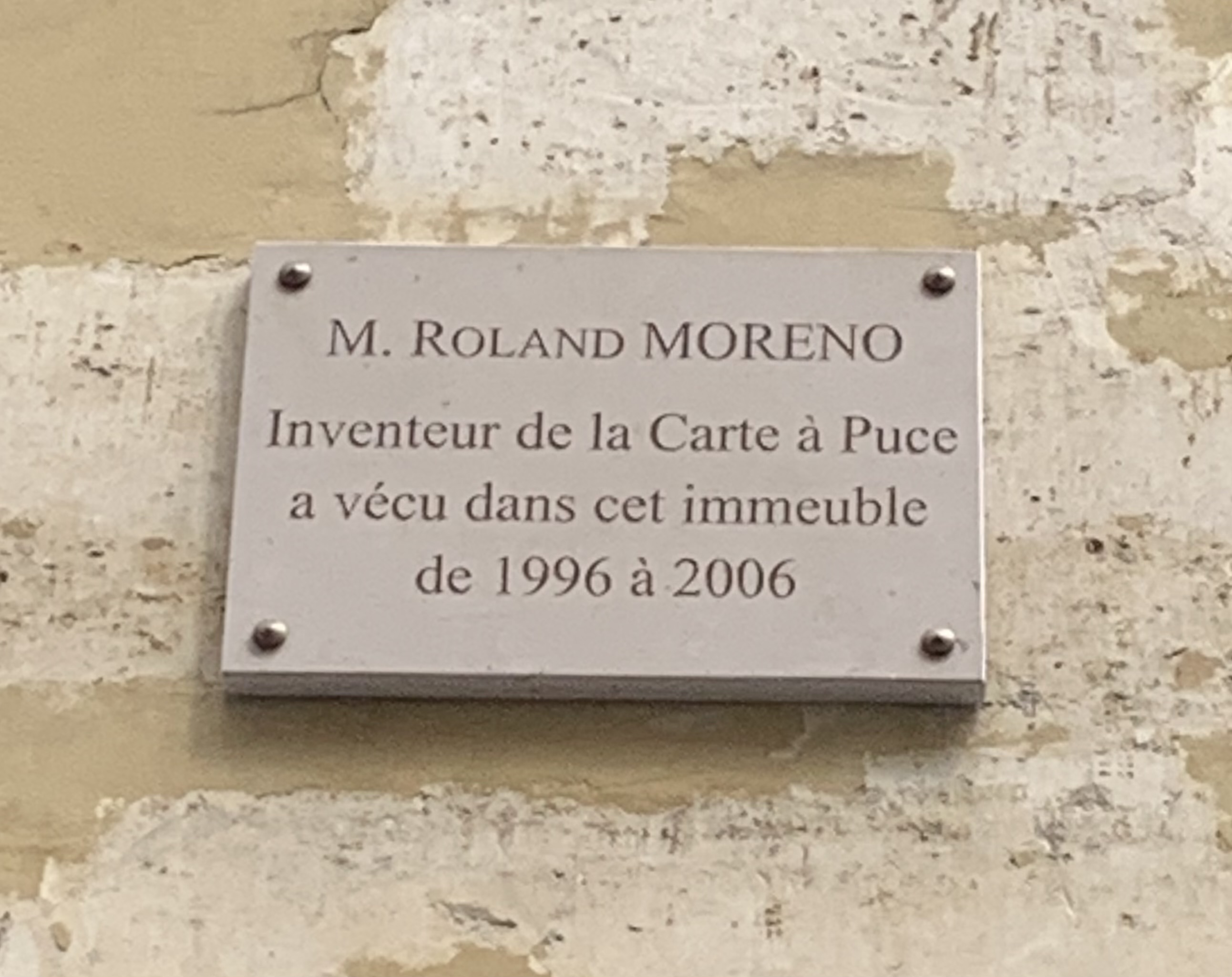
A dropout (like Santos-Dumas and Trouvé, who dropped out of locksmith school) his first job was writing for Detective Magazine. He said the idea for the chip came to him in a dream, though not as a plastic card but as a ring.
He called the smart card project TMR, as an homage to Woody Allen’s Take the Money and Run. He first patented the chip in 1974 and by 1982 it was in widespread use in France, long before American Express brought it to America in 1999. He knew what he had unleashed: « They have the potential to become Big Brother’s little helper,” he said.
He wrote a cookbook with 2000 recipes and also invented the less successful Pianok, the Calculette, the Pièce-o-matic and the Matapof (which electronically simulated Heads or Tails).
« I came up with the idea in my sleep. To be honest, I am a lazy bum and my productivity is on the feeble side. I’m jealous, spendthrift, a total couch potato and absent minded. »
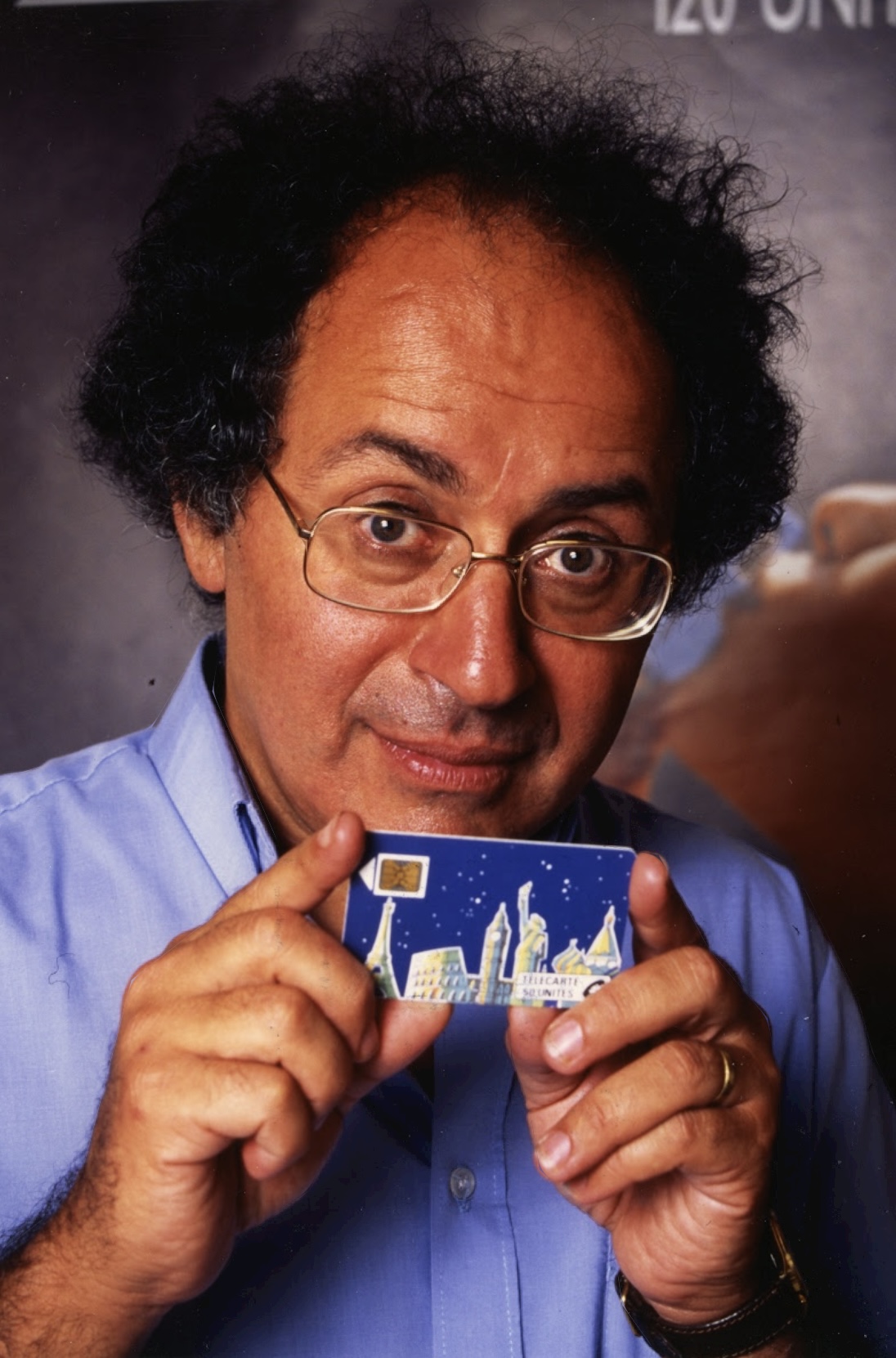
Bravo, M. Moreno!
These inventions were all born in Paris, but none of these inventors were.
Not a single one.
They reinvented themselves as Parisians and helped Paris reinvent itself.
 David Prowler Blog
Nice ending!
<
div dir=”ltr”>
👍🏿😁🖤 !!!!
Mon cher David!
Marvellous job! All the content was news to me. Now, I know Paris better and feel richer…”without a pocket”.
Glory and eternal memory for all the inventors- big and small- we owe them so much, after their disappearance, Helas!
Mon cher étudiant: je t’admire pour ta créativité et la recherche que tu as dévoué du temps et du votre professionalism. Je suis fier de toi, et te salues chalereusement .
ton ami et professeur
Sami Repishti, Ph.D.
J’espère que vous avez l’occasion de lire le dernier post Parisian et surtout que vous êtes en forme! Bonne année.
Très bien mon frère
Thanks, David.
Good one.
Barry
Law Office of Barry Simons
1655 Polk St., Suite #2
San Francisco, CA 94109
Ph: (415) 819-1236
barry@yourmusiclawyer.com
Fascinating. Thx
<
div>
<
div dir=”ltr”>
Patrick Kennedy
pck@panoramic.com
510.759.9191
<
div><p class=”MsoNormal” style=”margin: 0
David: I’m grateful to know that the beloved Etch-a-Sketch of my boyhood was invented by a Frenchman. And I appreciate your observation that so many of these notable inventions were created by individuals who “became” Parisians rather than by Parisians by accident of birth. Do Parisians make a point of distinguishing between “true” Parisians and Parisians with a weaker claim to Parisian citizenship? Mike Woo
Nemo propheta in patria. Great post that makes me wonder where is the new Paris of inventors right now.
I enjoyed this very much! The “I’m a lazy bum” comment from Moreno also gave me hope for one of my kids in particular…
Thanks David for posting such an unusual collection of inventors. The electric lifejacket is a bit baffling but he started a trend. Today’s inventors try to popularize their creations by adding Bluetooth to every device imaginable but they lack the charm and obvious enthusiasm of these pioneers.