The Very Best Way to See Paris

You could stand in line for the Louvre or walk across the Seine at Sunset or sit at a cafe with an espresso or even visit the Eiffel Tower.

You could watch Emily in Paris or ask ChatGPT to plan five perfect days in the City of Lights. Then there are the less « Carte Postale» corners, the more diverse ‘Quartiers Populaires » like Belleville, Ménilmontant, Battignoles, or the Chinatown of the 13th Arrondissement. They’re great too.

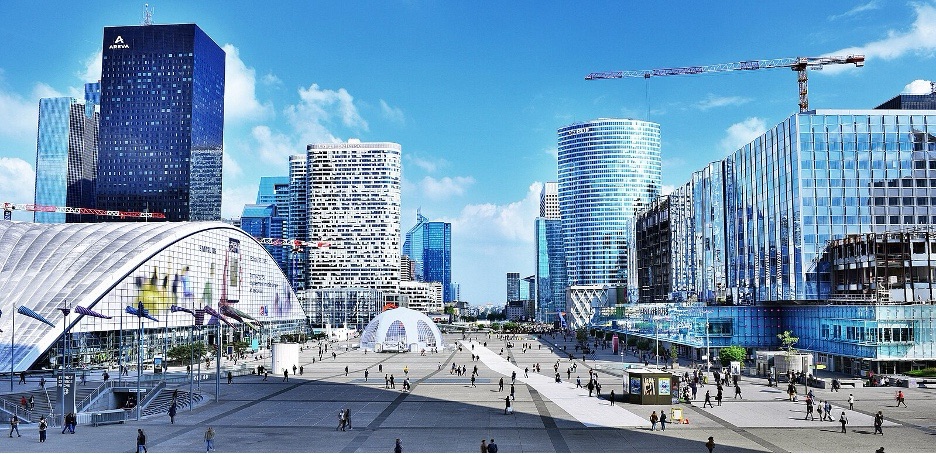
But to REALLY see Paris, your best bet is to visit the Anti-Paris, La Défense.

It’s a place where there is no charm whatsoever, no surprises or quirks, no little squares with fountains.

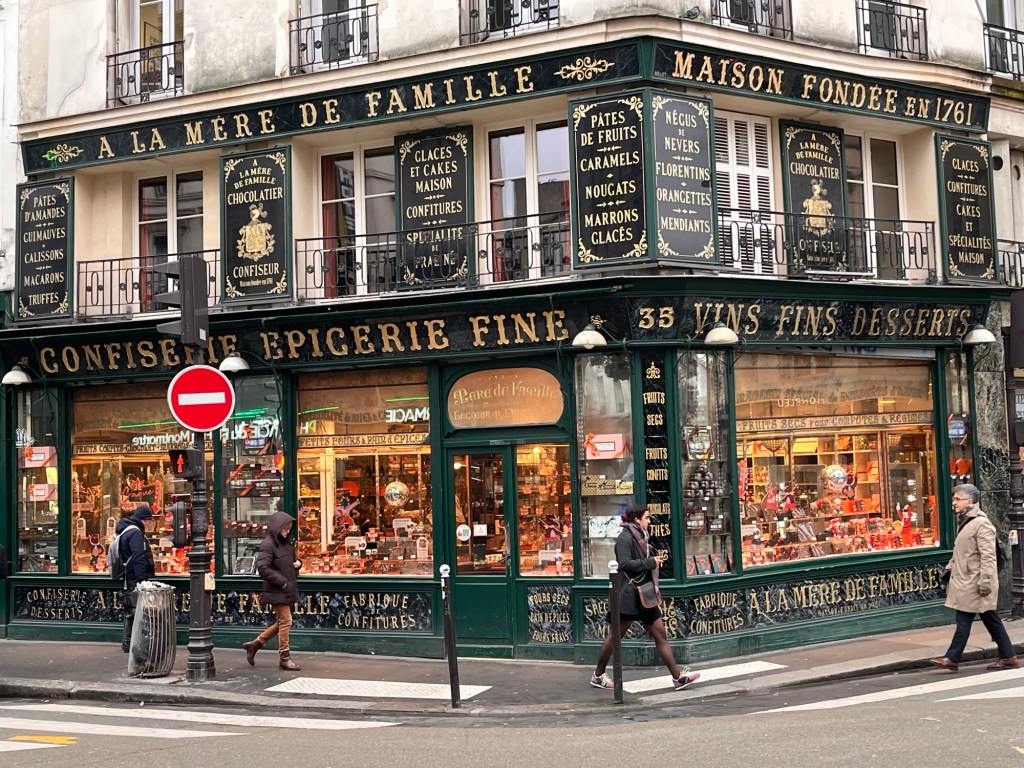
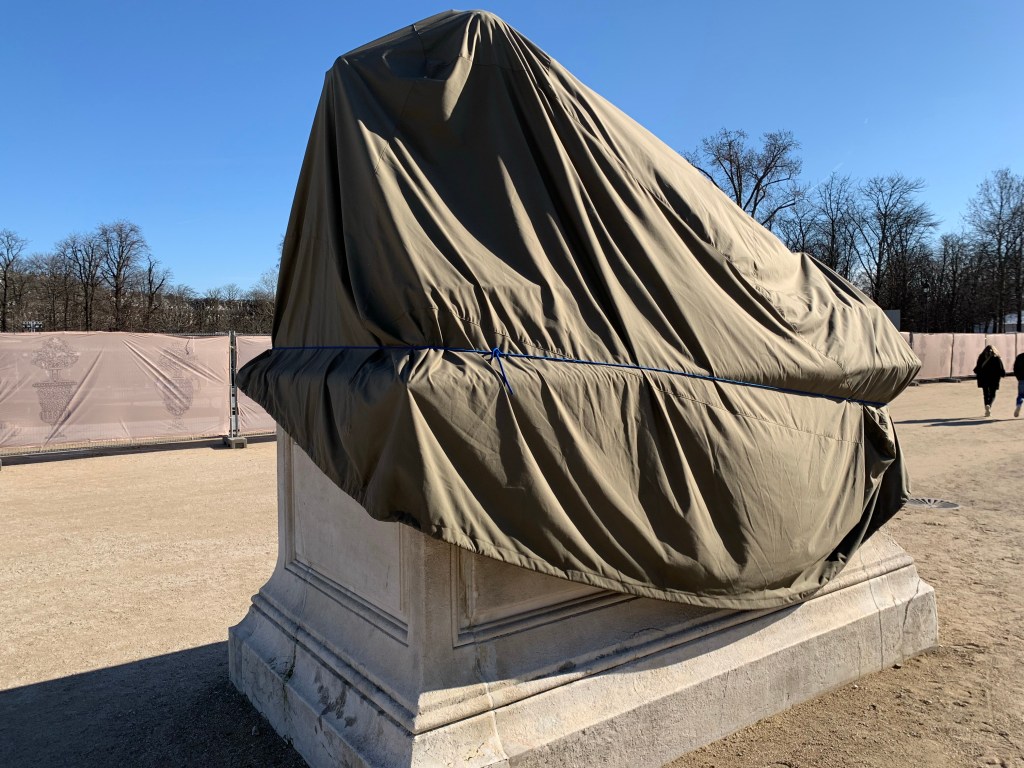
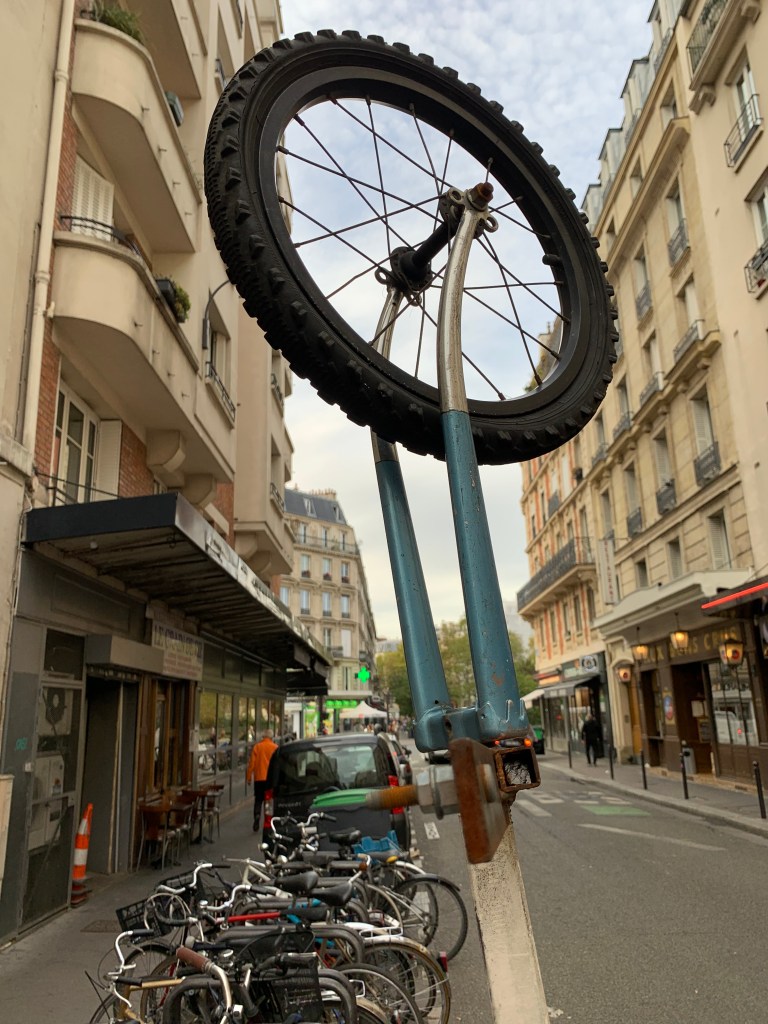
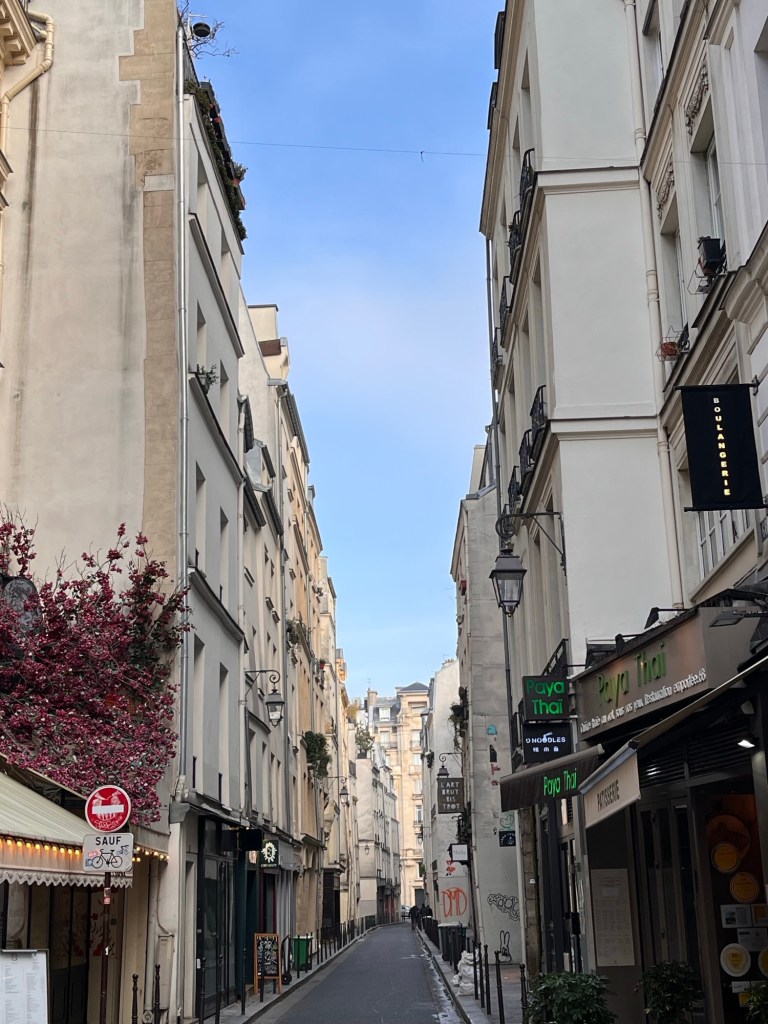
You won’t find streets like this:

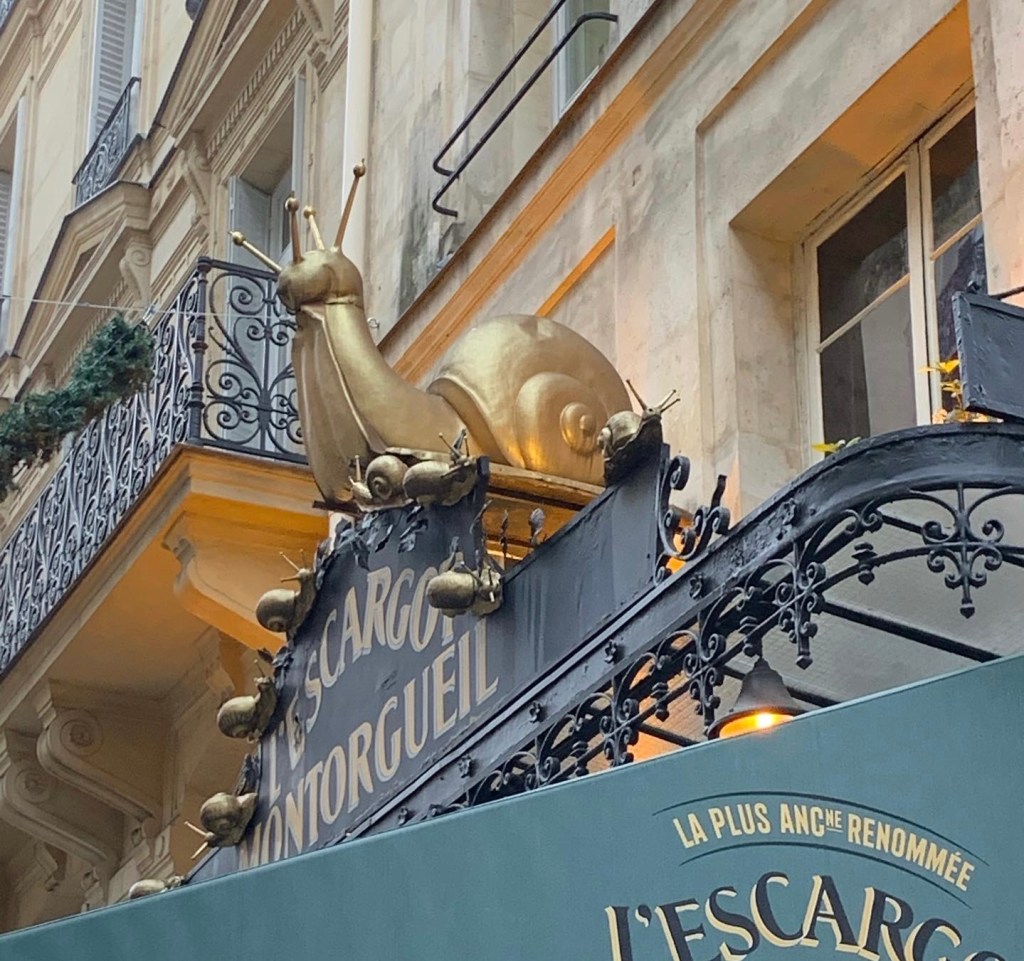
Or giant snails like this:

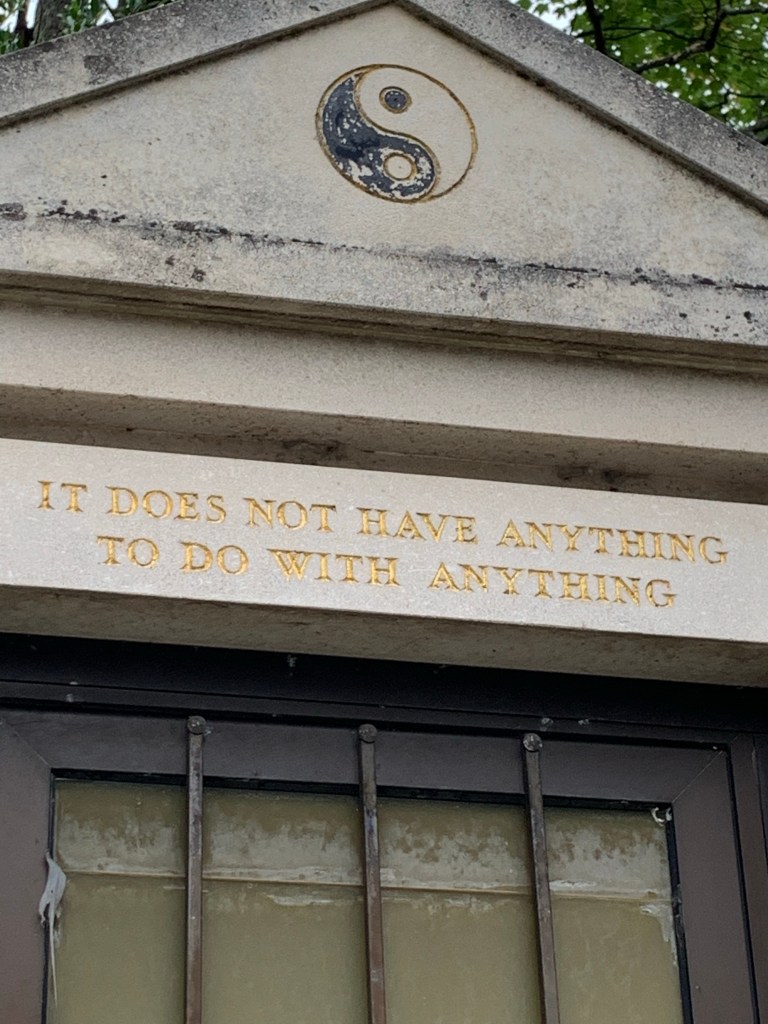
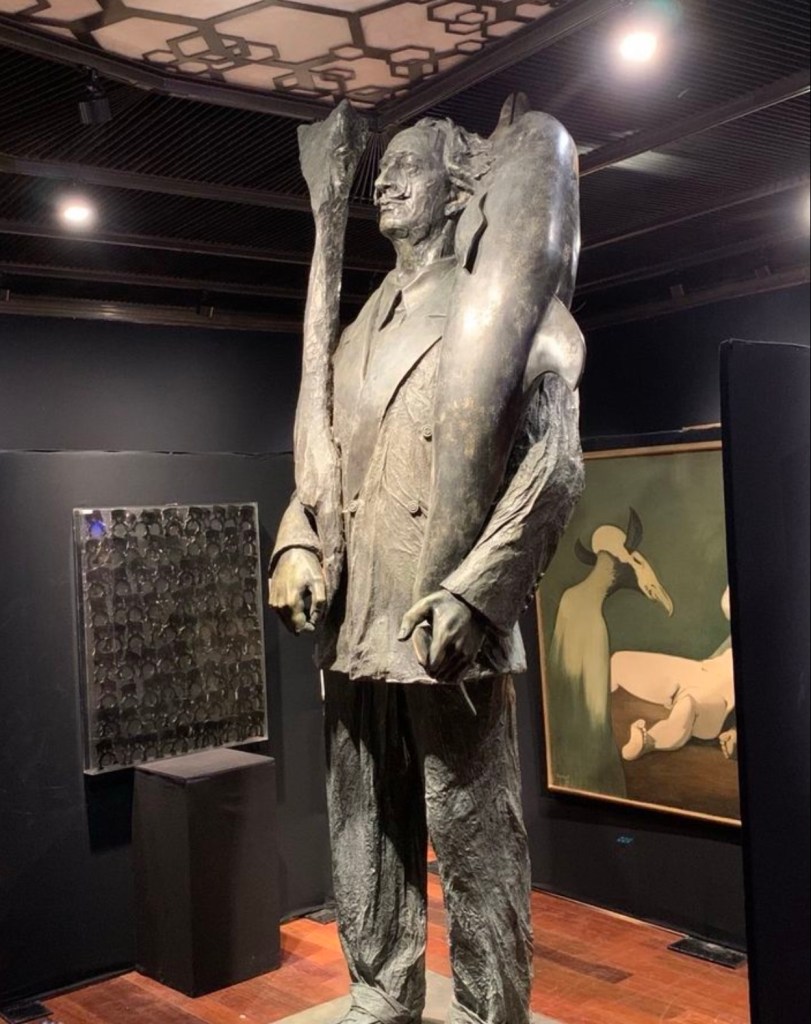
Nothing surrealist.

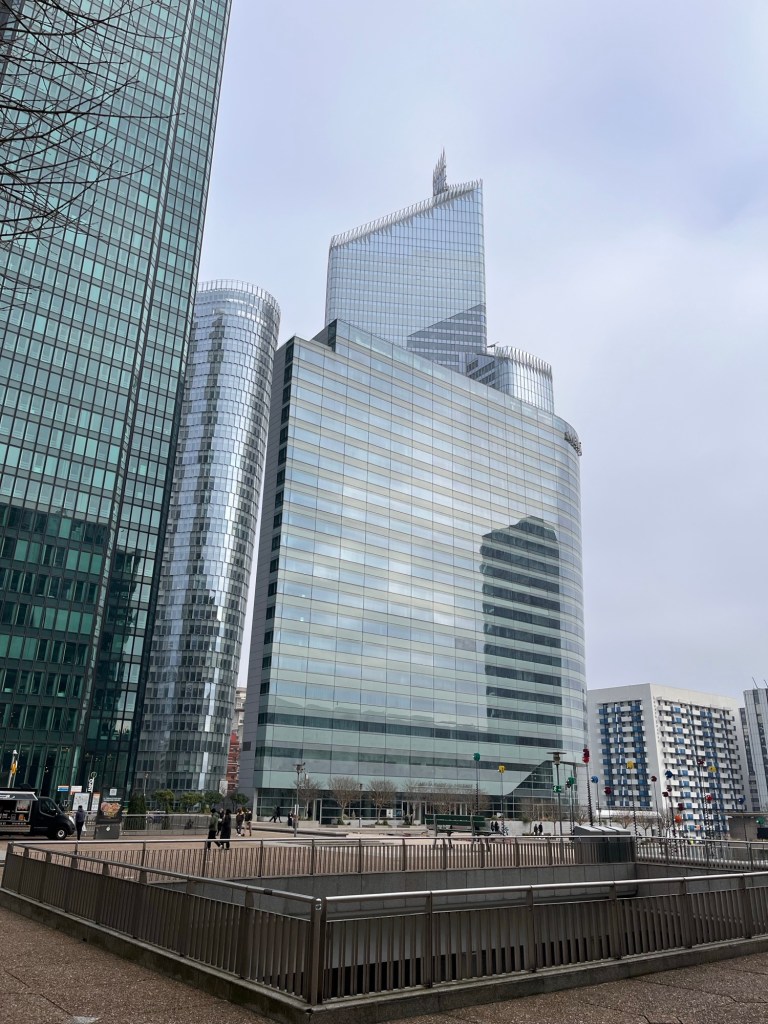
Nothing Parisian at all. And it’s just a short hop on the subway. You can see it from Paris:

From the Pompidou Centre.
Photo by Edison McCullen

It’s La Défense, the largest business district in Europe. 

By the numbers :

·      61 skyscrapers

·      On 1,400 acres

·     38 million square feet of office space – now about   15% empty thanks to work from home. The overall Parisian office vacancy rate is more like 4%. In San Francisco it’s 35%.

·     There is a giant underground shopping mall with 220 stores and 48 restaurants. When it was built it was the biggest mall in Europe.

·     There is the largest arena in Europe.

·     It’s not just offices – 25,000 people live there.

From before 1964: nothing.

It’s got the masses of skyscrapers you would find in mid-town Manhattan but without the glamour. It’s a bad copy (like French pop music).

Here is a short video that tries to make it look good :

Here’s another video, more realistic.  It’s called The Anguish of Emptiness :

https://fb.watch/wCyELkNb7U/

The people I saw at La Défense didn’t look too happy to be there, except when they were eating lunch in the mall.

There are McDonalds and KFC and Starbucks and you can get a haircut.

But nothing like this:

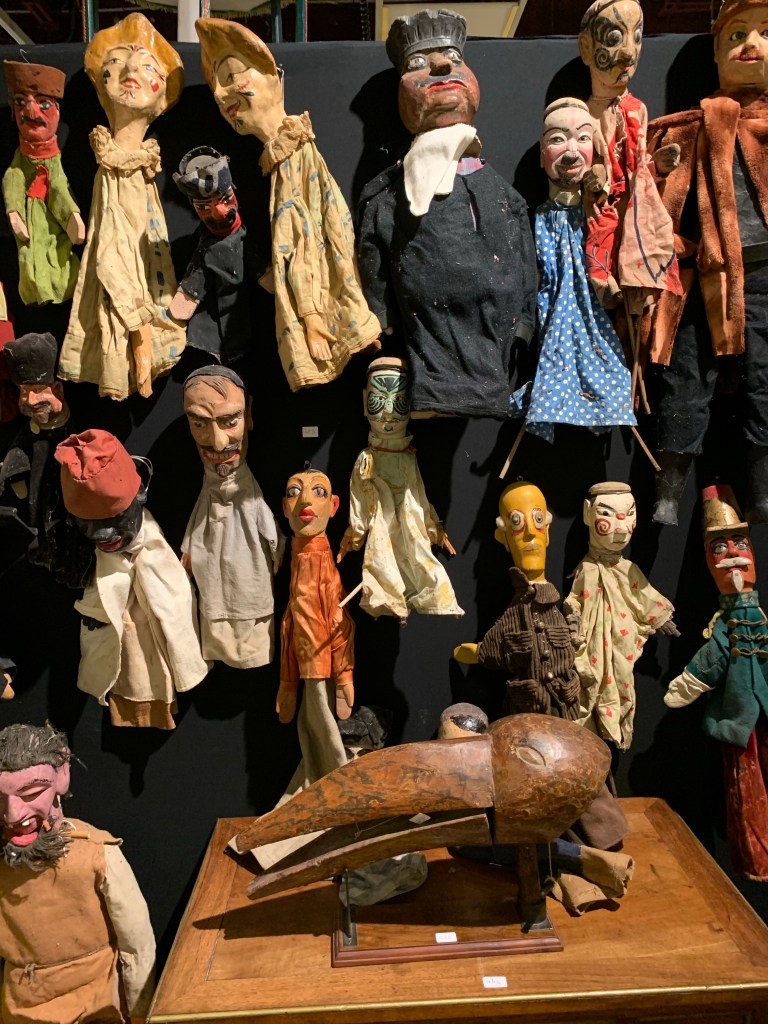
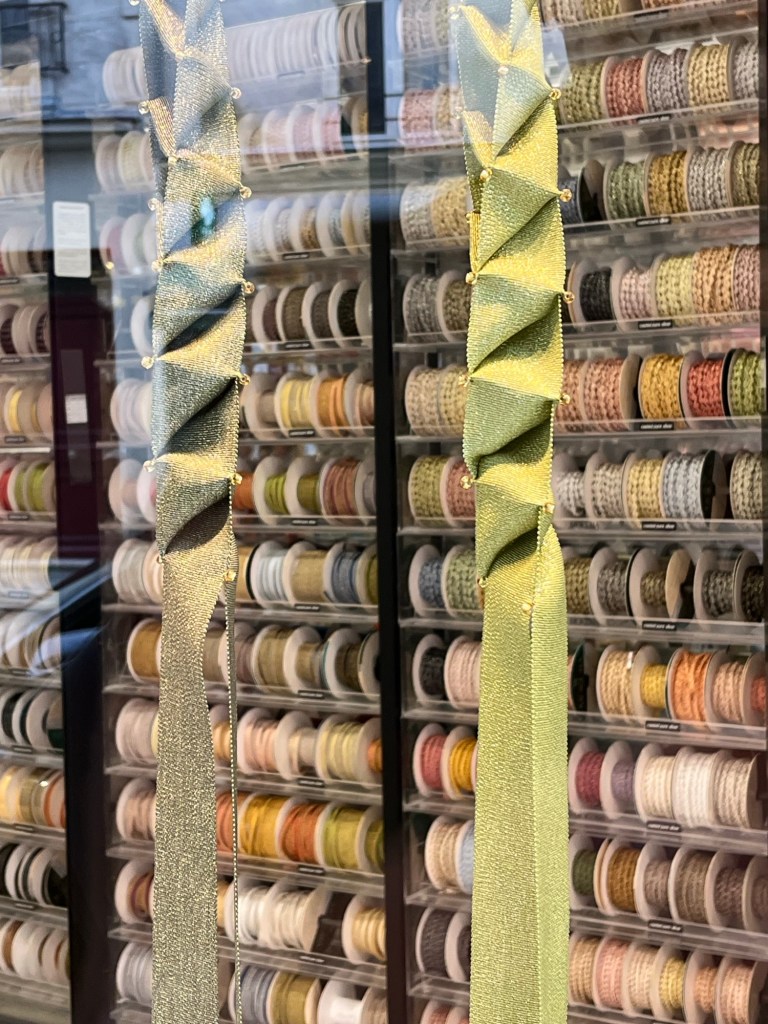
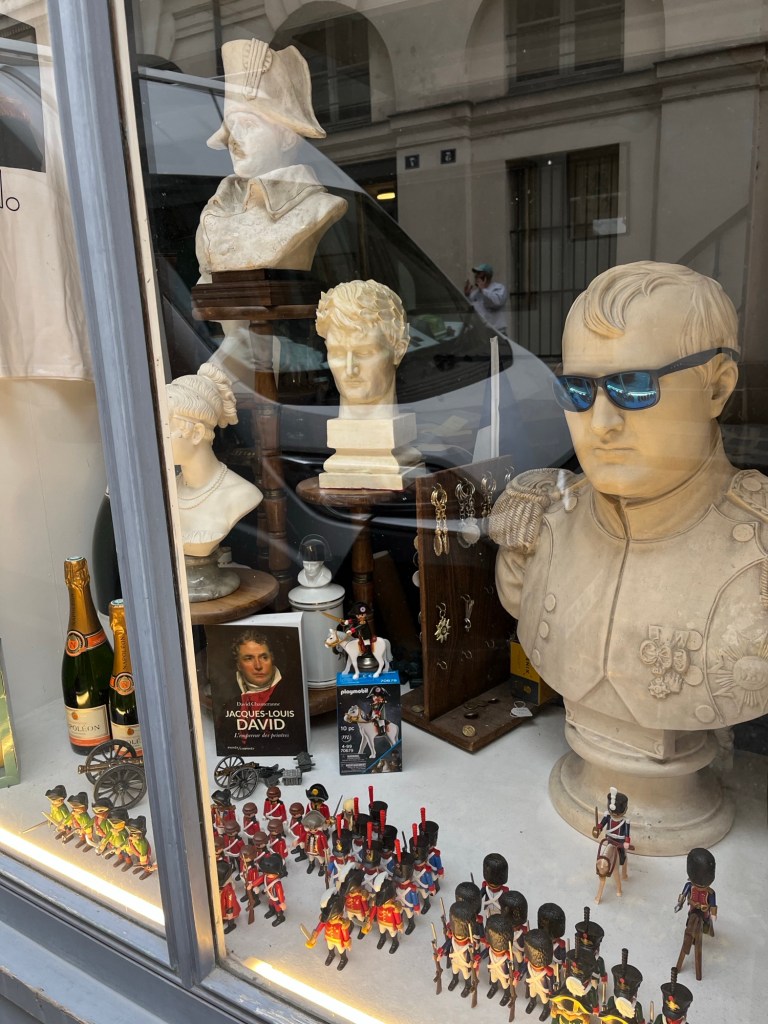
And none of the unique shops found all over Paris, like the toy train store or the doll collectors’ shop or the ribbon store or the mountain climbing bookstore. Or the ping pong supply store.

Nobody would go there if they didn’t have to.

My friend Dominique, a retired journalist, has lived almost his whole life in Paris and we went to La Defense for his first visit a few months ago. 

It’s not far, only 26 minutes from the Louvre.

You can see that it’s a straight shot from the Louvre through the Tuileries via the Arc De Triomphe. 

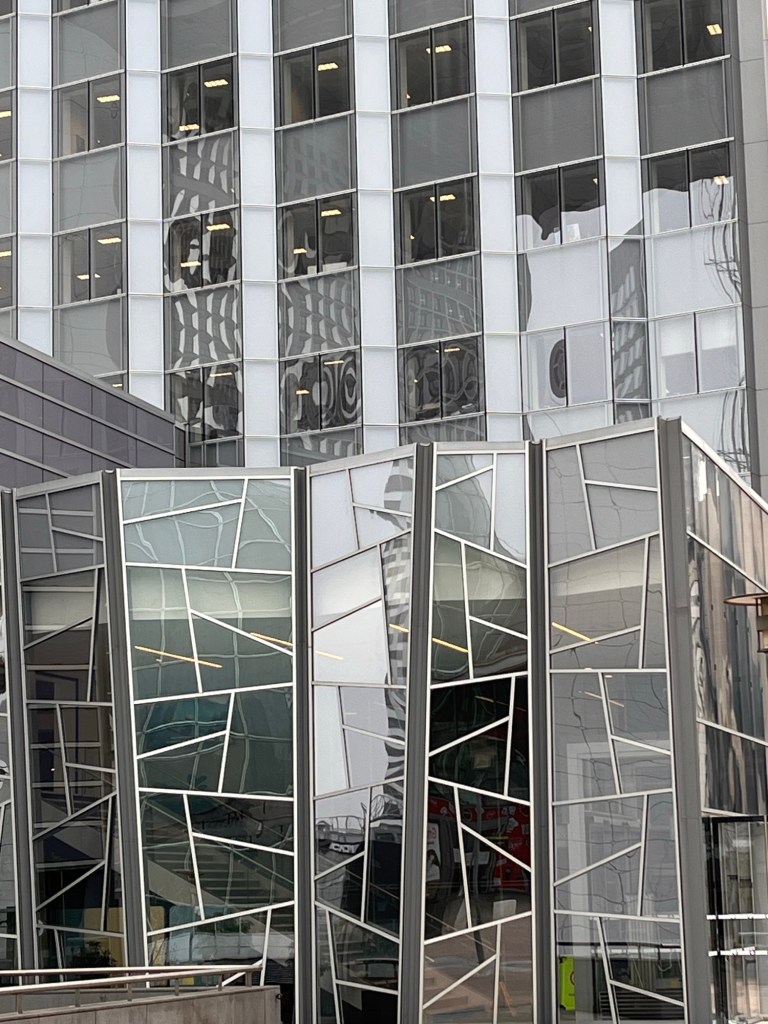
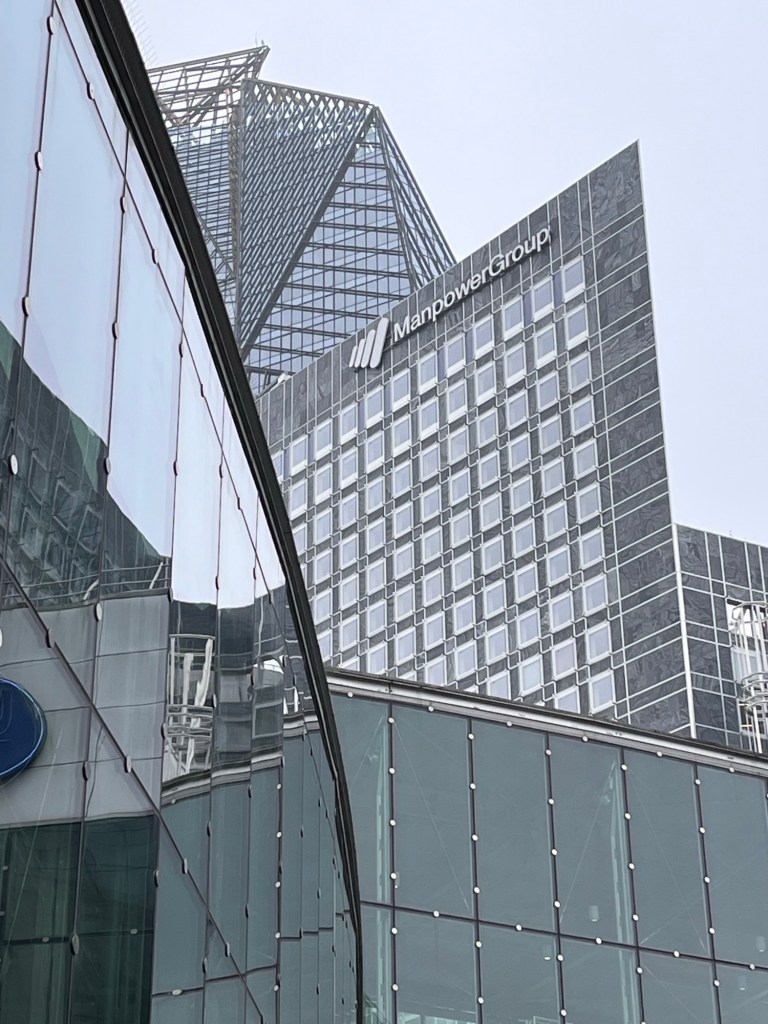
There are no intimate public spaces or even side streets or alleys and the buildings seem a lot more jagged than they need to be. The whole place seems very masculine.

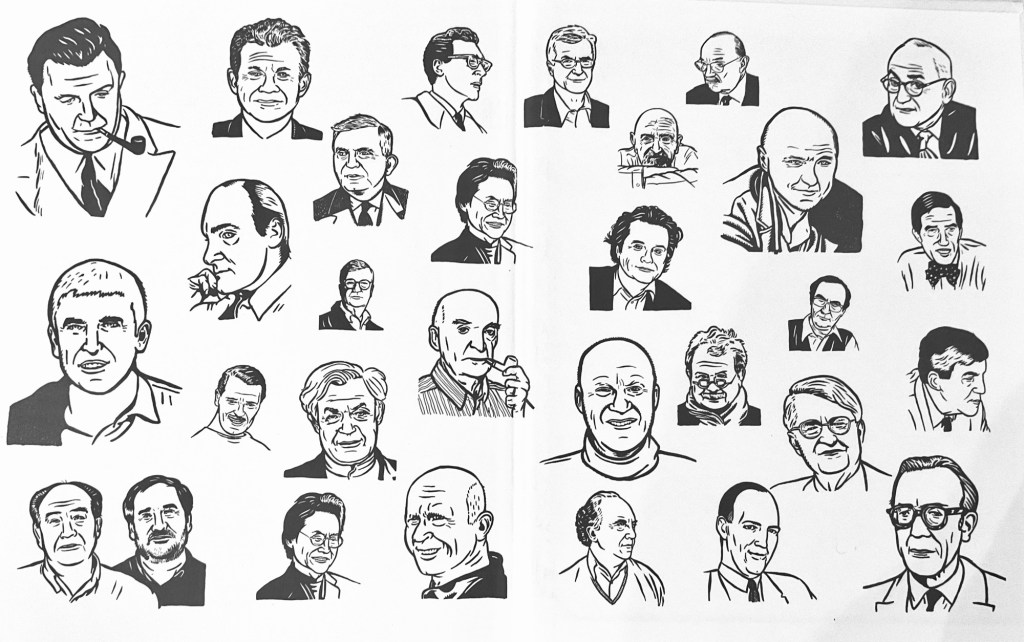
Here are the architects (from the book, The Architects of La Defense):

The whole landscape is awful.

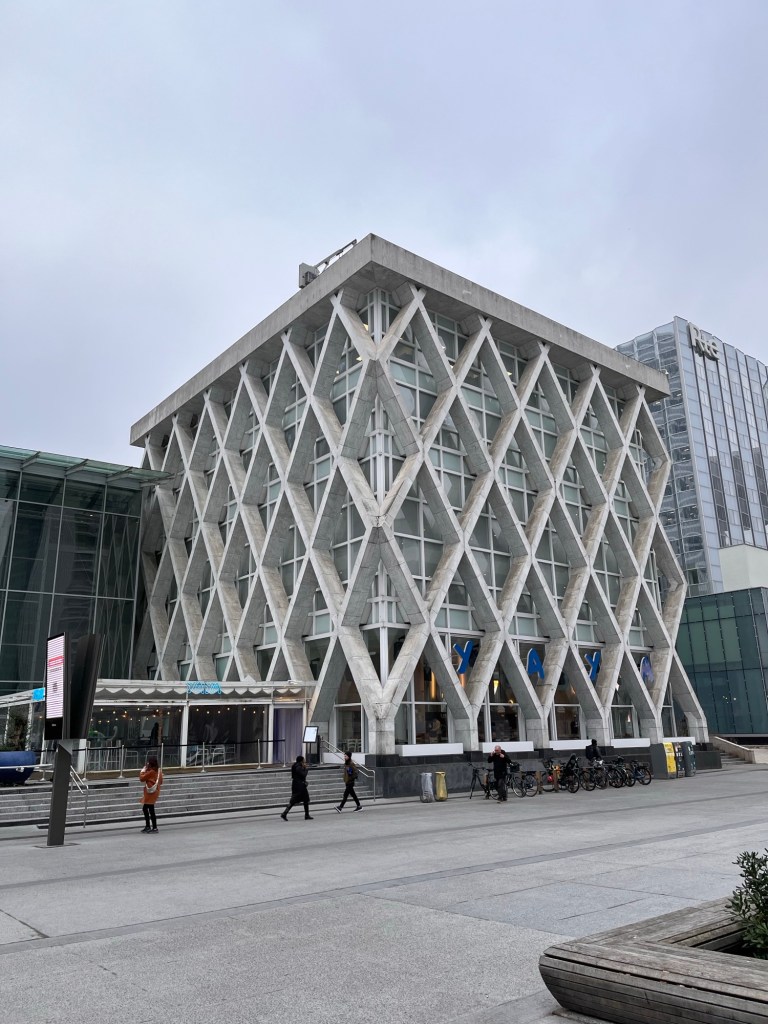
But it’s not all terrible. There is a dome with movie theatres and some big sculptures.

And in the mall this was pretty cool:

La Défense really is the Anti-Paris. Whatever you like about Paris, you won’t find it at La Défense.

I was there today for two hours and got homesick.

You’re lucky to live in the chic neighborhood…

THE MOST SURREAL SPOT IN PARIS

Surrealism was born in Paris and it lives on.

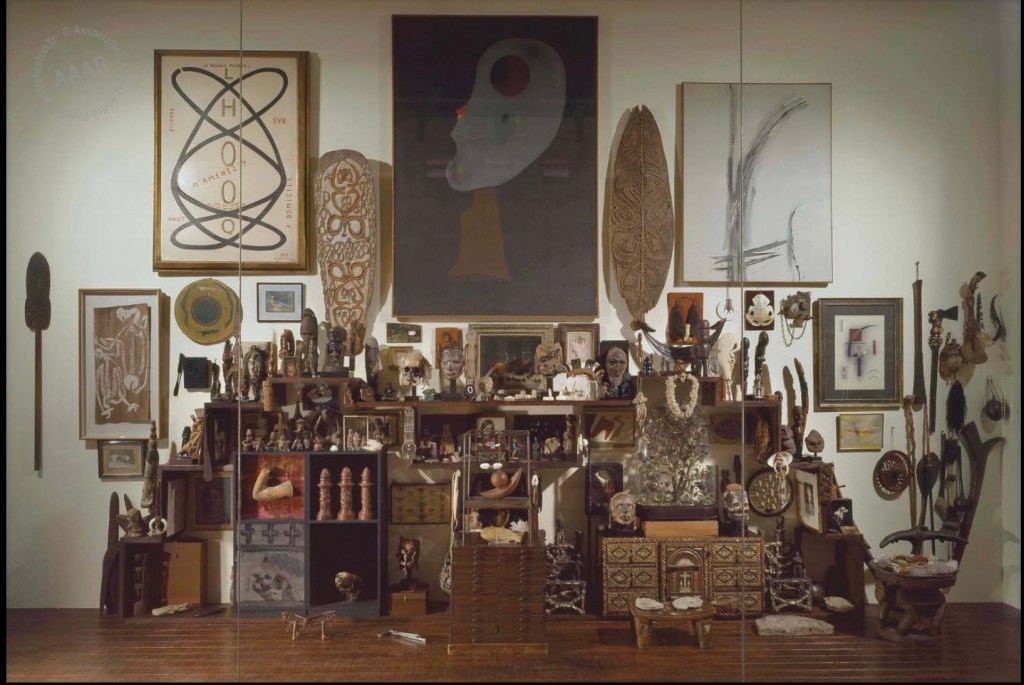
There’s plenty in the museums, like this wall from Andre Breton’s small apartment on Rue Fontaine, which was so full of masks, paintings, books, manuscripts, rocks, photographs and bric a brac that the auction catalogue was 8 volumes. It is in the Pompidou, just past Duchamp’s bicycle wheel and bottle rack. 

Other spots like the sewer tour or the catacombs are probably pretty surreal but I haven’t visited them. The Museum of Medicine is full of bizarre and terrifying ancient instruments. I saw a show of medicine and the occult – seances and telepathy and stuff like that – that was plenty surreal. A creepy place.

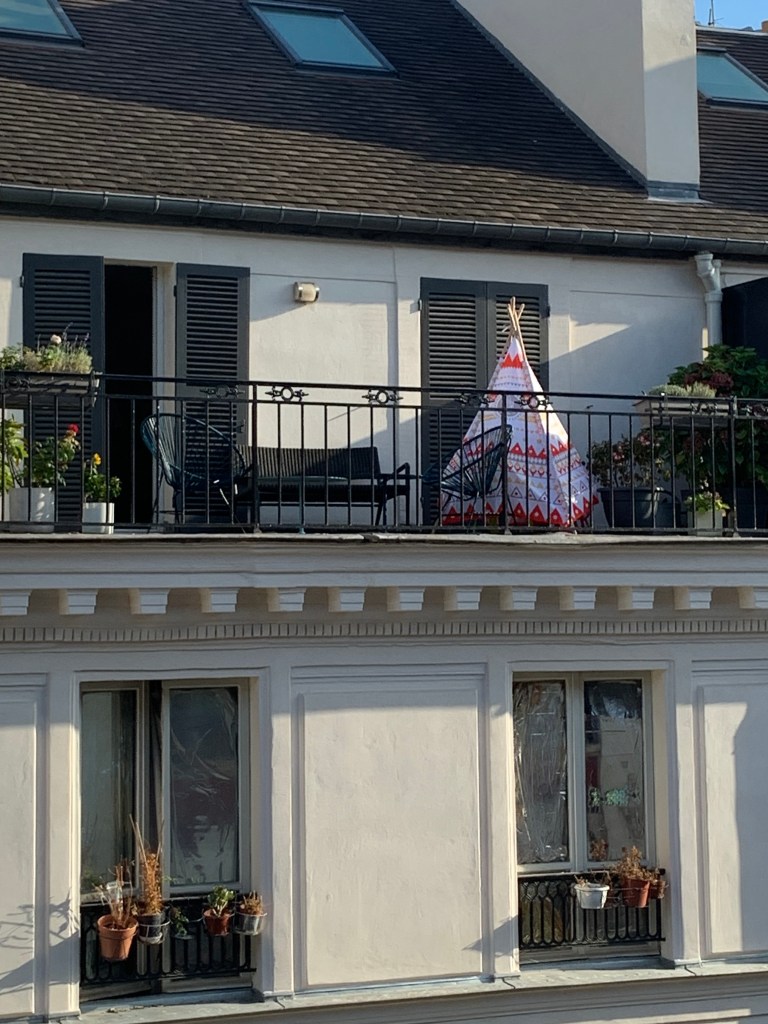
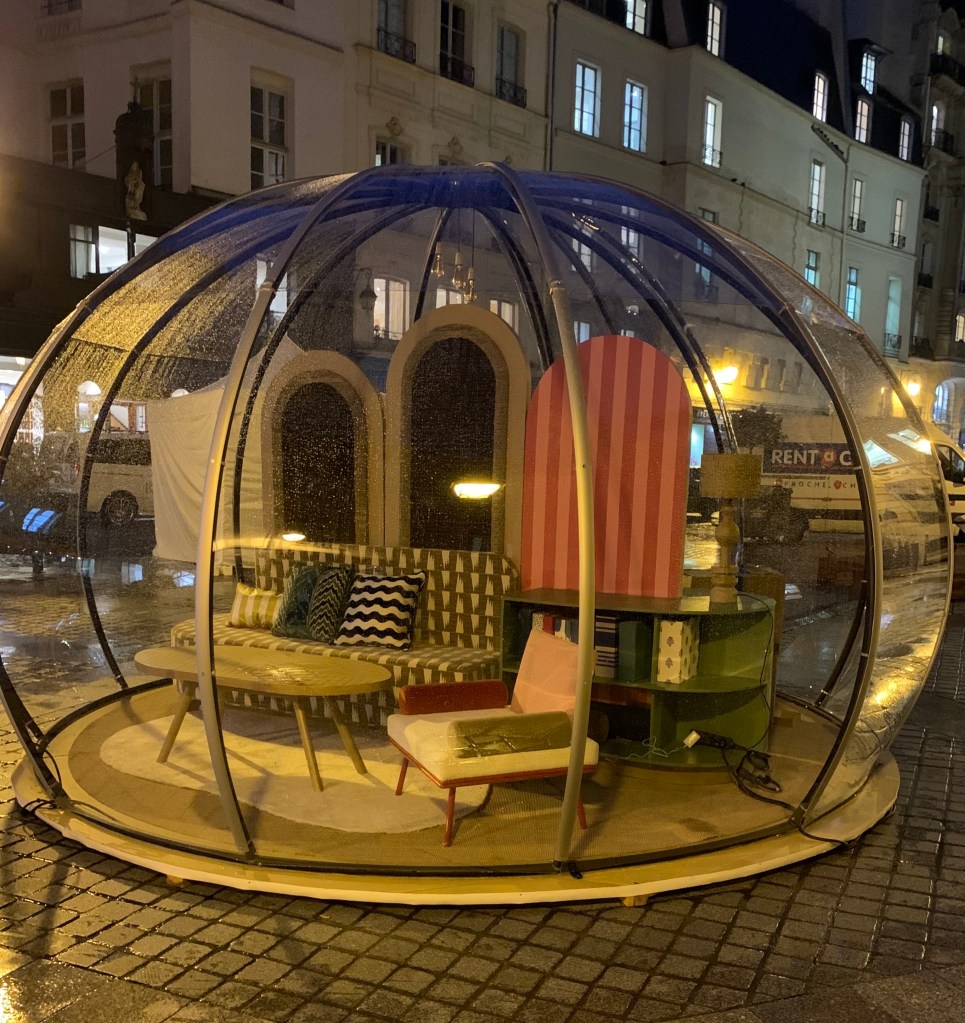
But the most surreal spots are free and on the street. Like right out our window, this tipi that showed up for just a few days:

Or, just below it, the windows always covered with tin foil. We thought maybe it was unoccupied, but no, an old woman lives there, in the dark. She does open the windows sometime to water the plants.

Or, around the corner, this taxidermy store with the cat playing a violin.

And the pig with a bow tie:

Who would buy such a thing?

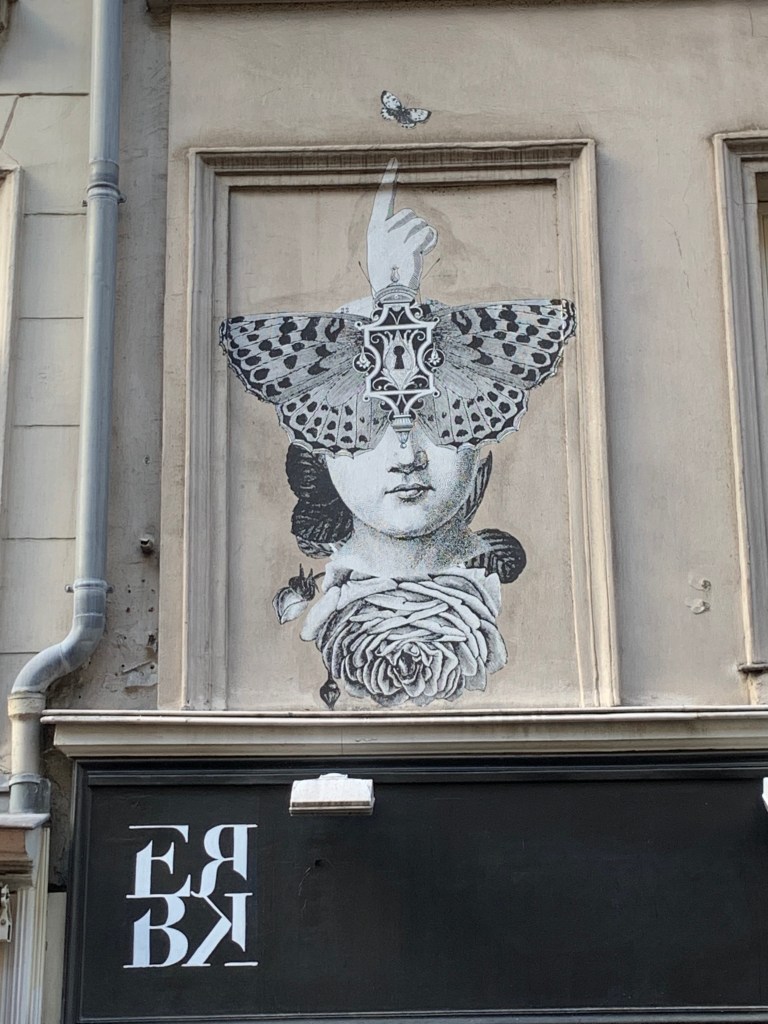
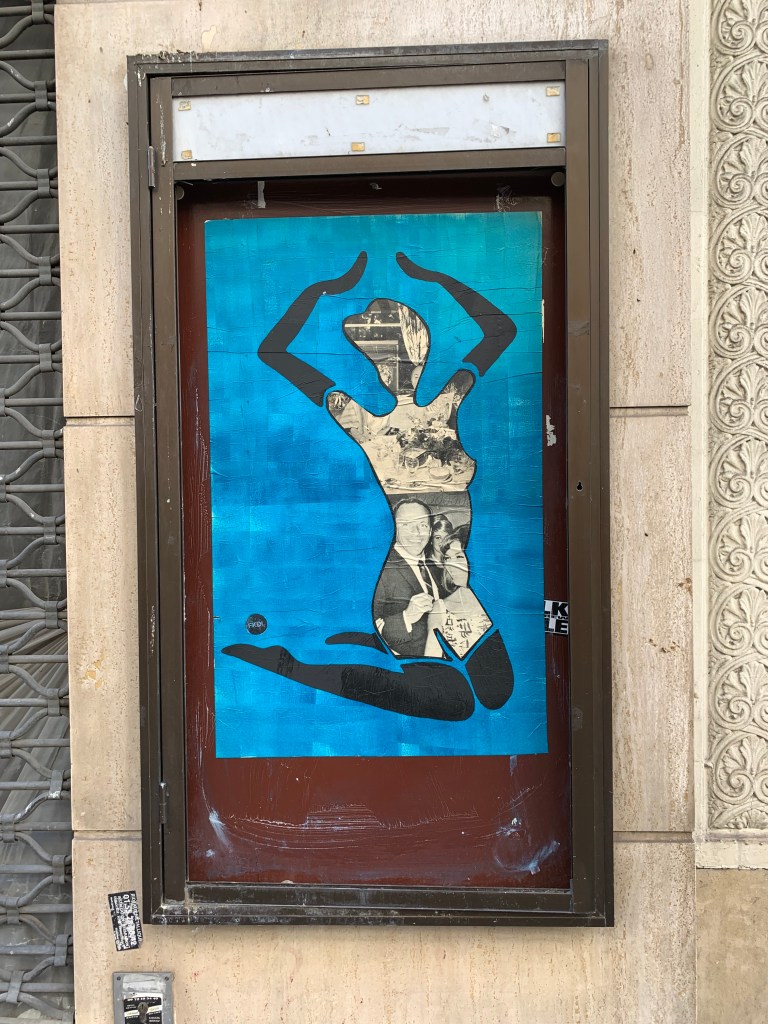
Sometimes on the street you can find collages:

Or décollage:

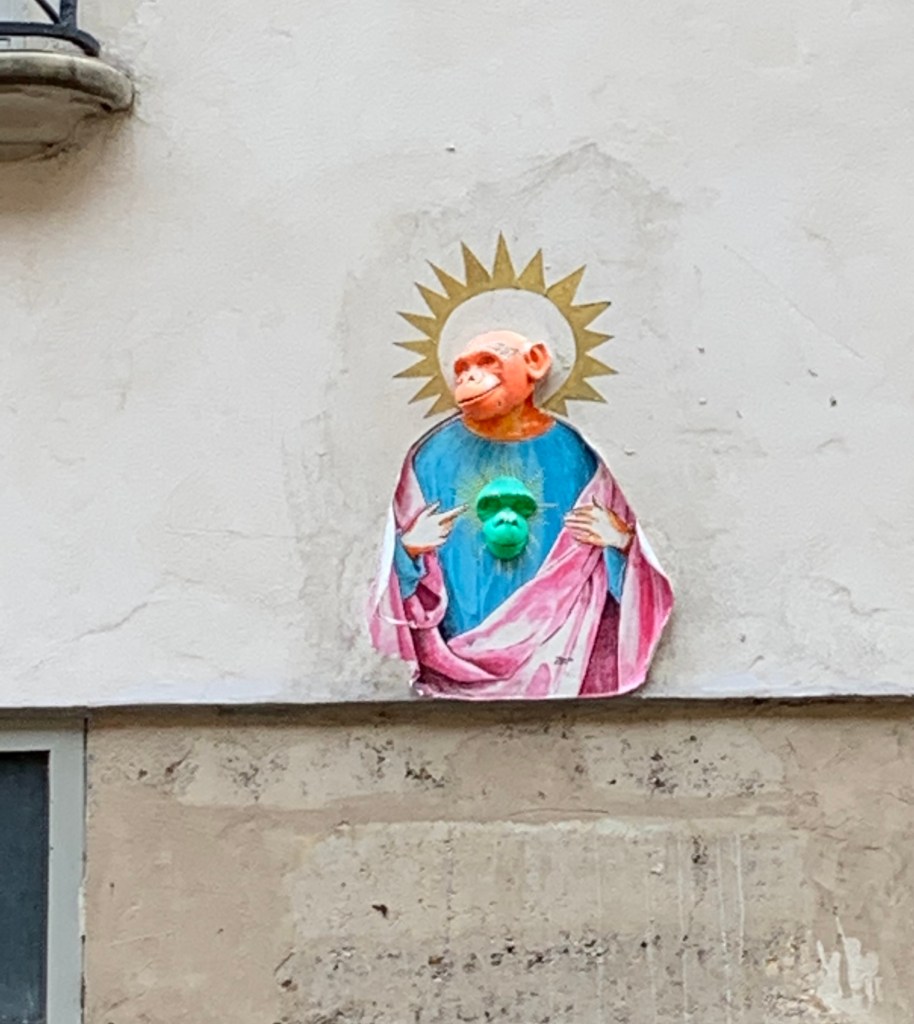
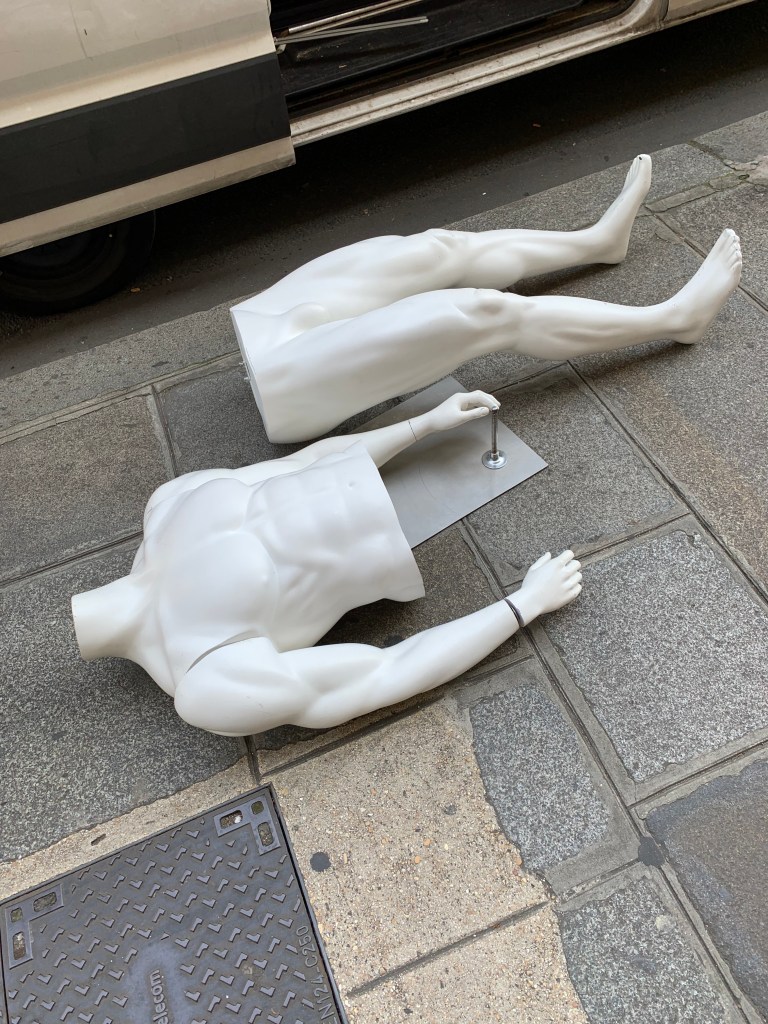
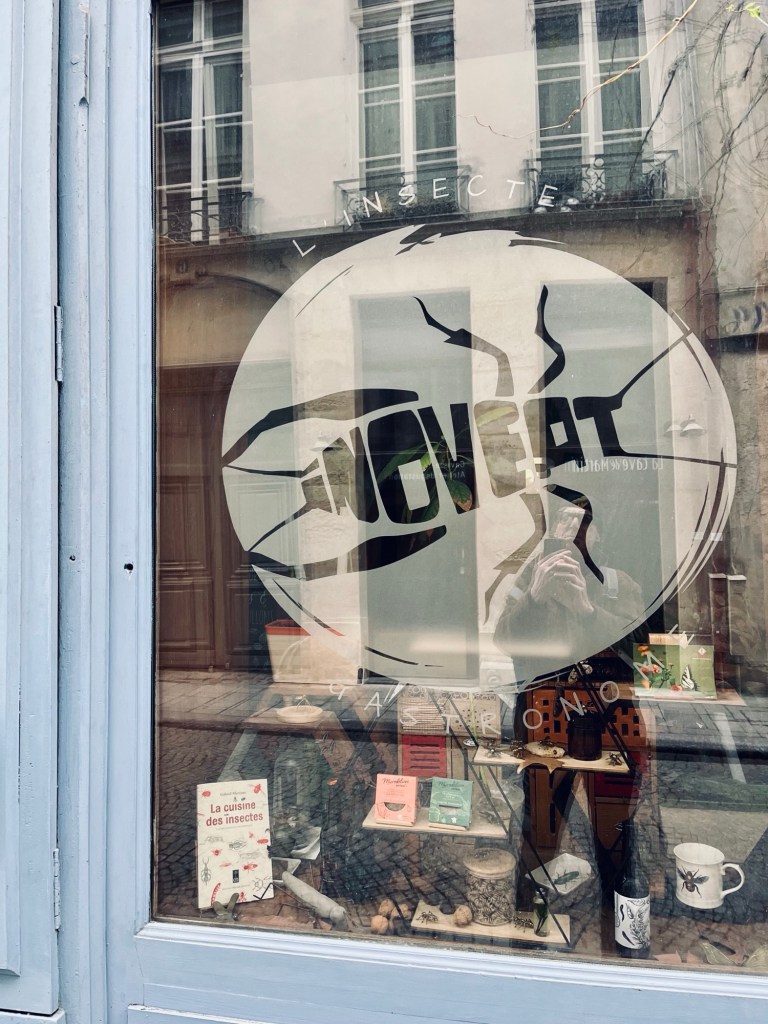
Or things like these:

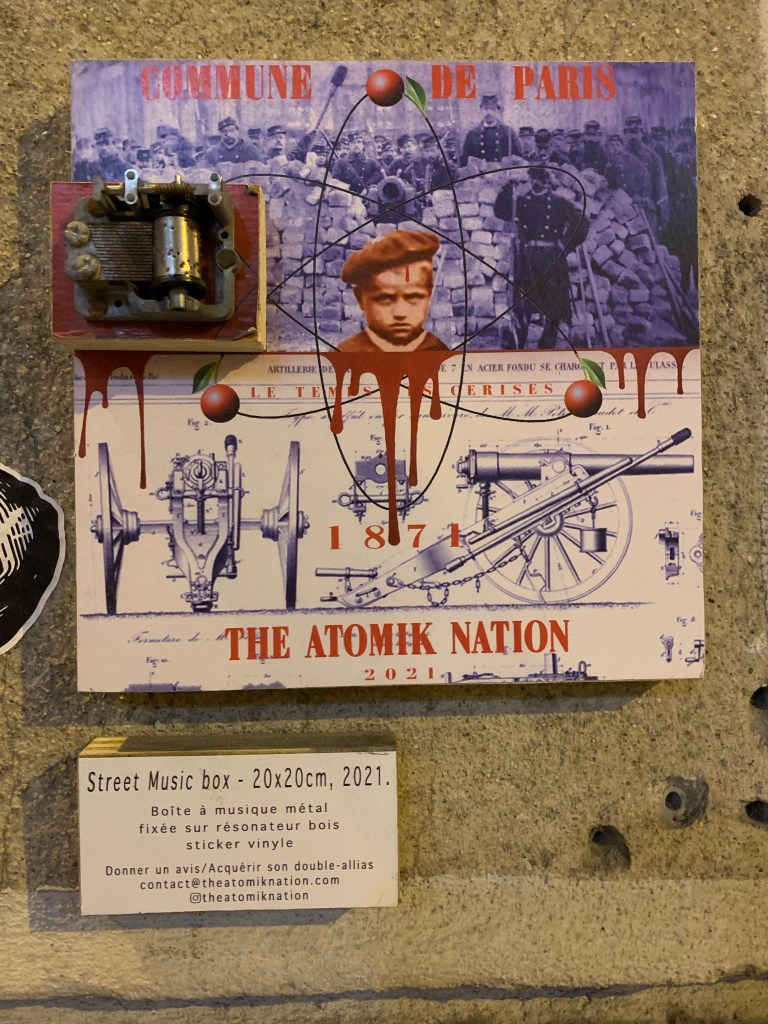
I just saw this street music box today.
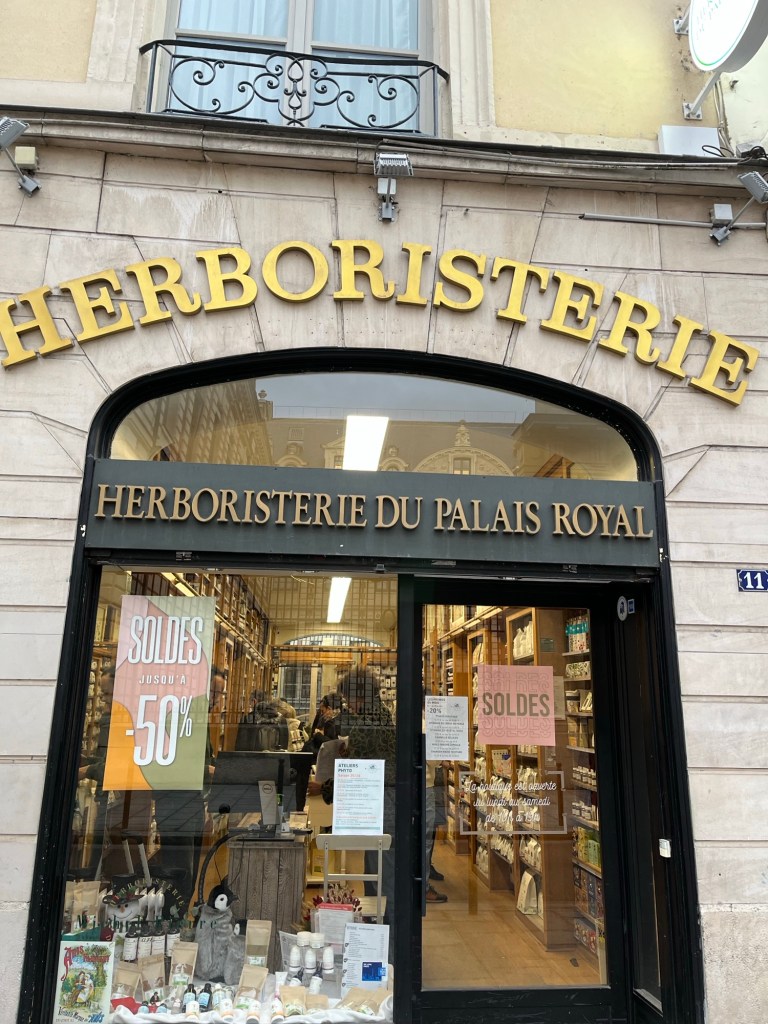
Apothecary and Herbalist by appointment for melancholic angels and heavenly bums

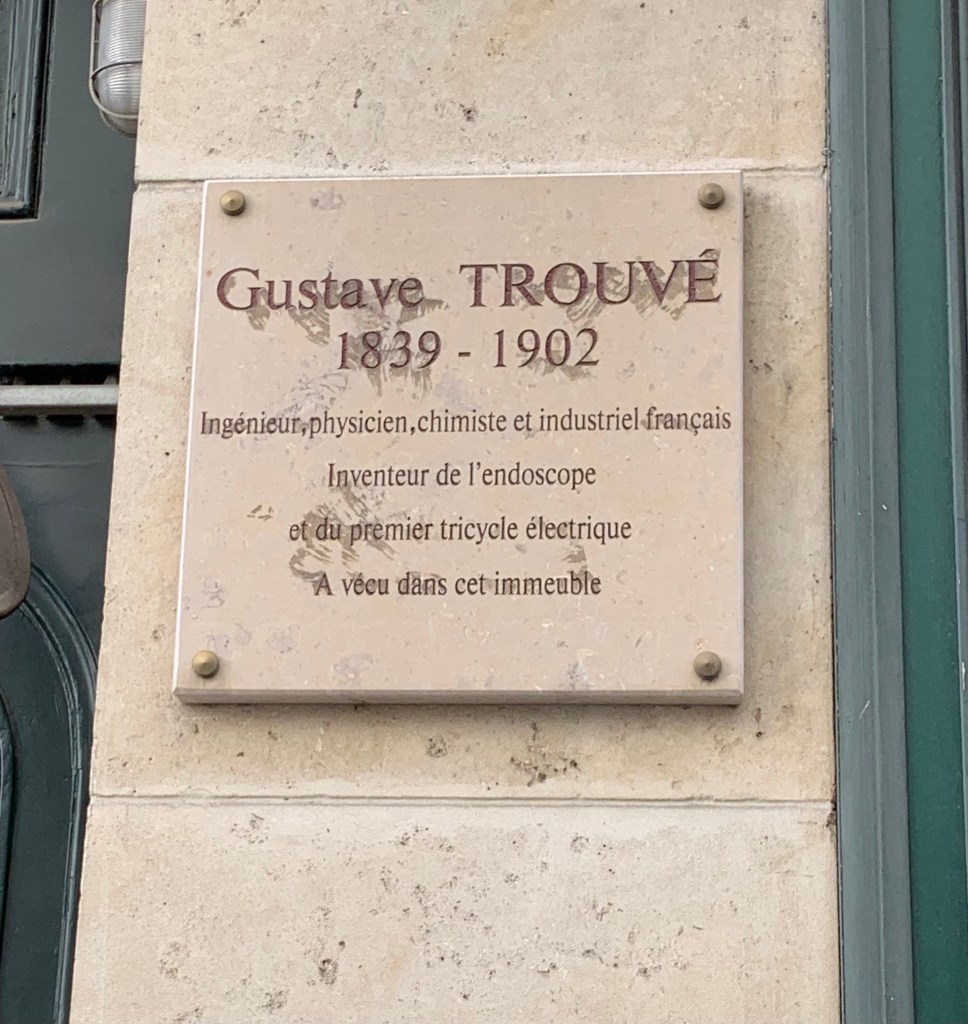
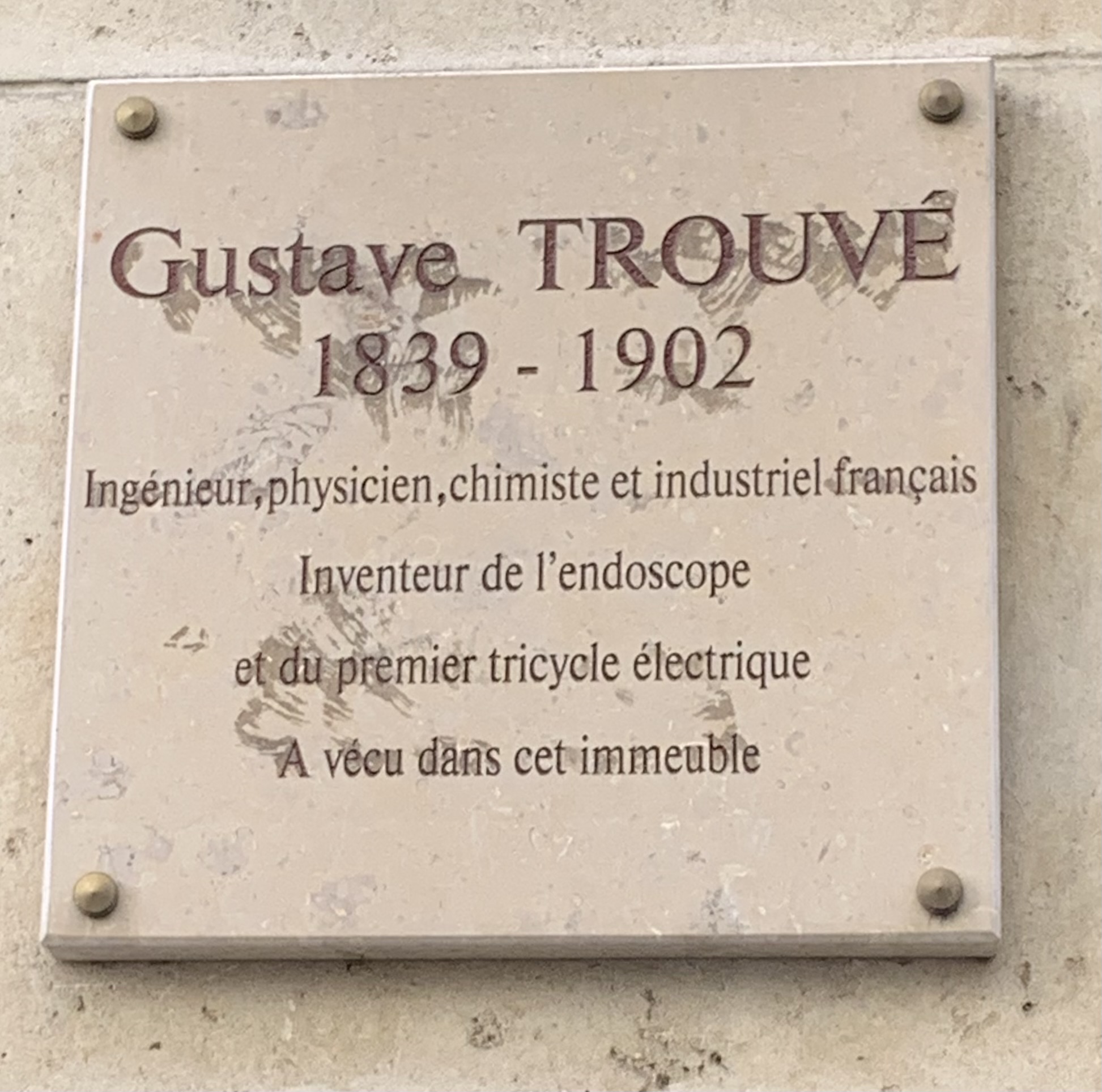
Or this plaque, to the inventor of the endoscope and the electric tricycle (and a lot more as it turns out):

https://en.m.wikipedia.org/wiki/Gustave_Trouv%C3%A9https://en.m.wikipedia.org/wiki/Gustave_Trouv%C3%A9

There are a couple of not-real buildings.

This one is by Jean Nouvel and it is construction staging for a new museum going in next store, right across from the Louvre.

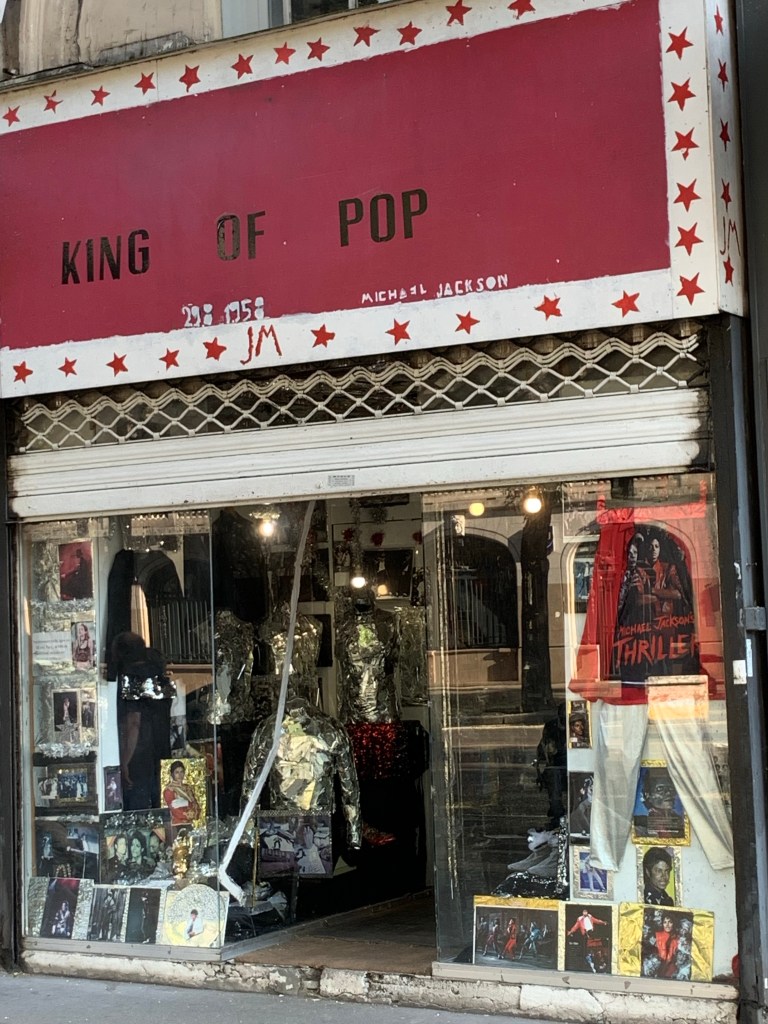
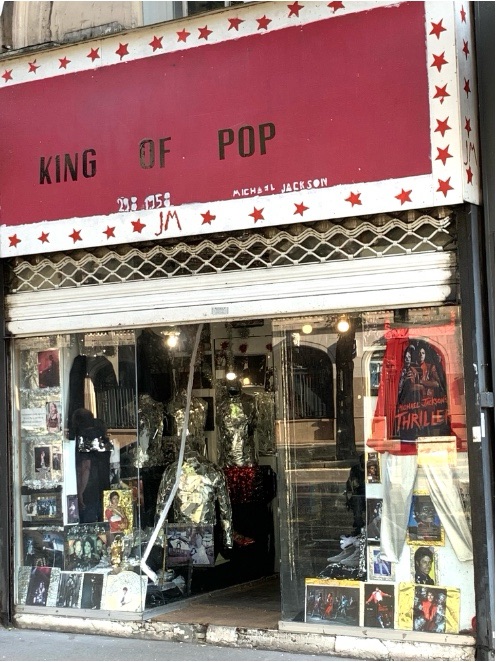
There’s the Michael Jackson store/shrine:

And there is always Cemetery Pere LaChaise. It’s super magical especially on a gloomy day. And especially now that the City has decided to not manicure it, so it is wildly overgrown.

Foxes live there now.

For me the most surreal place in all of Paris, hands down, is Drouot the big auction house, about 20 galleries for viewing the most incredible juxtaposition of stuff.

Even the building is bizarre:


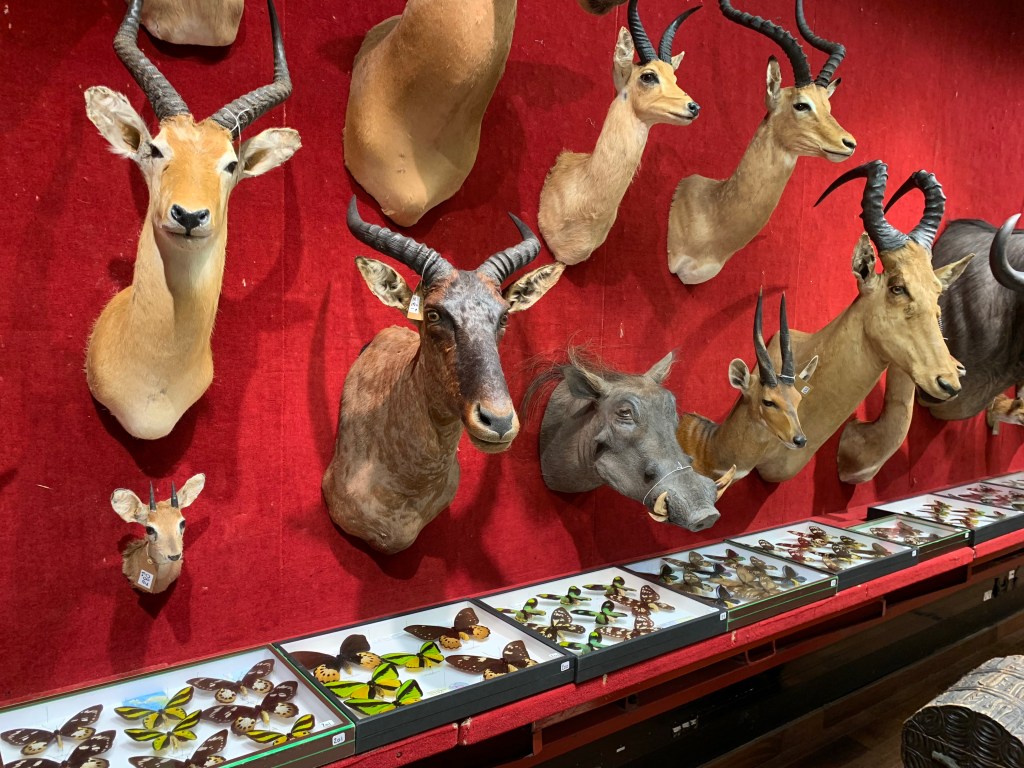
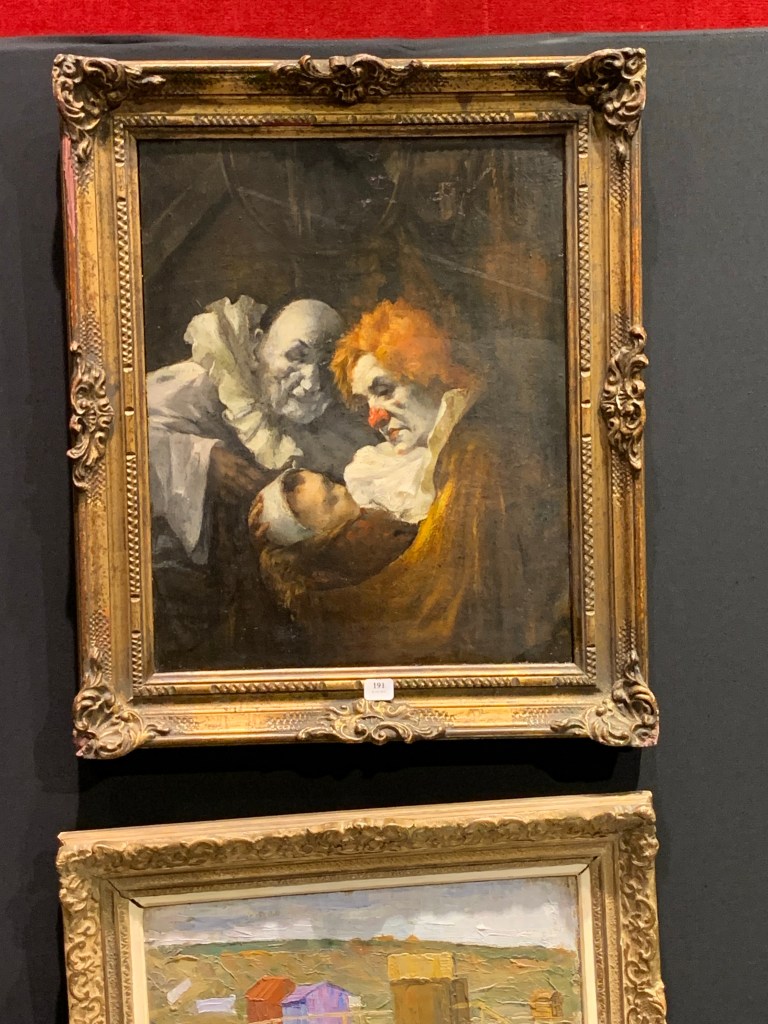
Every weekday you can wander around the paintings, taxidermy animals, maps, furniture, shoes for footbinding, model ships, erotica, and…stuff.

Michael Jackson’s fedora.

Once I saw a Modigliani painting, a Mastodon skull, and a racing car in the same room.

The best part is the juxtaposition. Buddhas, busts of Napoleon, Eames chairs, stuffed ostriches, swords, African maps: they all mingle.

It’s like walking the Paris streets.

david@prowler.org


Inventors of Paris

Lots of inventors invented lots of things in Paris. And at the same time they re-invented themselves – and Paris.

Louis Daguerre invented photography in 1839, followed by the Lumière brothers who showed the first movie in 1895.

Andre Cassagnes came up with the Etch-a-Sketch (1959).

René -Théophile Hyacinthe (what a great name !) developed the stethoscope. 

Dr. Guillotine came up with the killing machine.

The brassiere was invented by Hermione Cadolle (as a humane alternative to the corset, as the guillotine was a humane alternative to hanging).

Plus the Michaudine Vélocipède of 1868 by Pierre Michaux – later known as the bicycle.

Fashion – this year’s and last year’s and the idea that you have to keep up – was invented in Paris and the streetlight too.

During the plague years, doctors wore this outfit, designed by Charles Delorme.

Francois Reichelt, “The Flying Tailor” invented the Parachute Suit.  Wearing it, he plummeted to his death, falling from the Eiffel Tower on February 4, 1912.


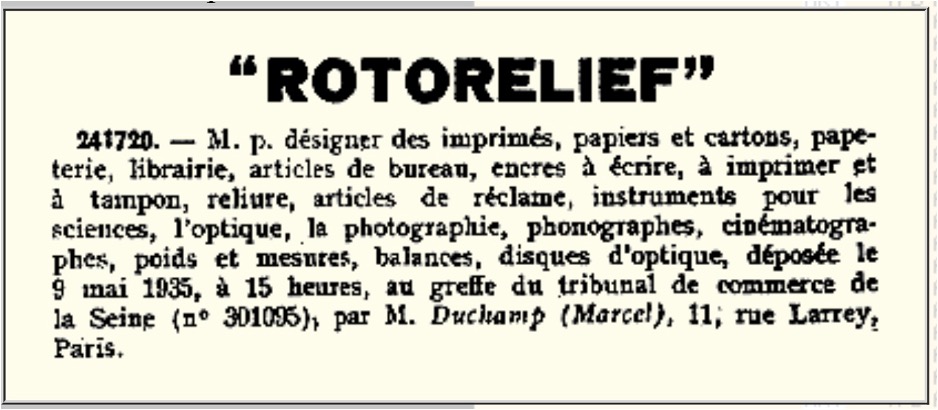
Marcel Duchamp tried his hand at invention with the Rotoreliefs.  He rented a stand at the Concours Lépine, the big Paris gadget show, in 1935. 

He sold only one, but today the originals sell for a fortune.  He also devised a system for breaking even at Monte Carlo and sold shares in the enterprise.

Also not a commercial success.

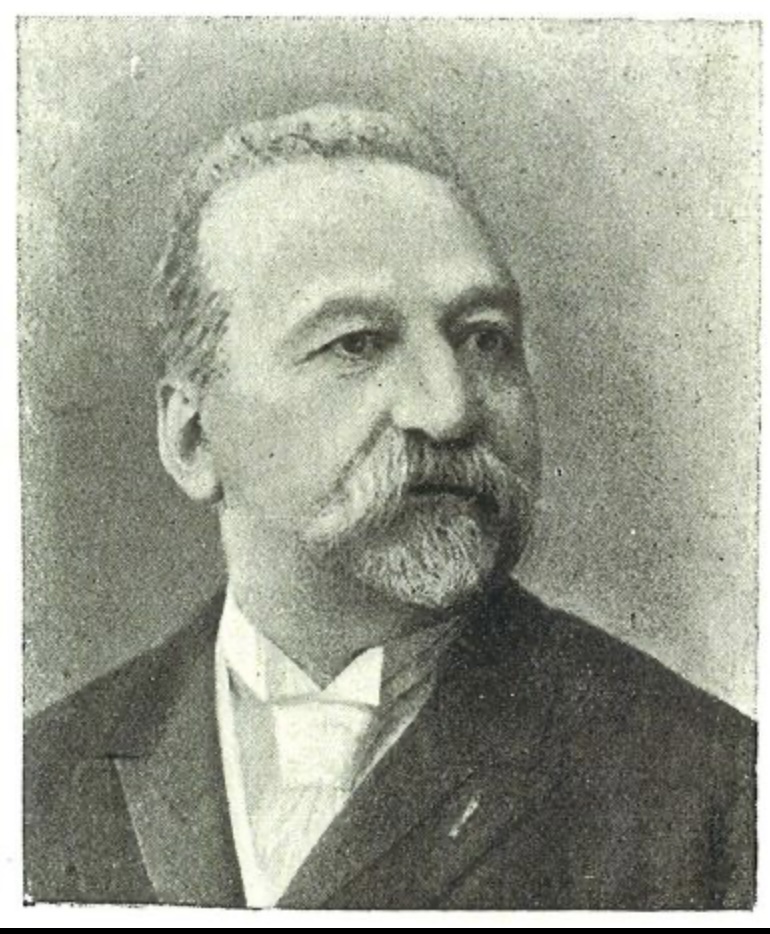
Gustave Trouvé gets credit on his plaque for inventing the endoscope and the electric tricycle.

But he invented tons of other handy things – like the first electric vehicle of any kind, in 1880. Plus the outboard motor, the electric piano, a battery that was used for a model airship, the dental drill, sewing machines, and the electric razor. For an ear nose and throat surgeon he devised the first electric headlamp- the « photophore »- and he came up with the electric slide projector. Wikipedia credits him with the « carbon-zinc pocket sized battery to power his miniature electric automata ». He brought us electric jewelry. Among his 75 innovations, he also developed an electric massaging machine, the battery-powered wearable lifejacket, a water-jet propelled boat and a streamlined bicycle, as well as several children’s toys. We can thank M. Trouvé for the liquid filled pantoscope, the electric almanac, the electric paperweight, acetylene domestic lighting, the electric jump rope, the electric reclining chair, and the windmill toy for hats and canes.

Merci, M. Trouvé!

And you’d never know from the plaque on his mansion on the Champs Élysée (now the big Apple Store) what a great inventor Alberto Santos-Dumont was.

Or even that his name has a hyphen.

He flew from the Eiffel Tower to his house on the Champs Élysée.

Jules Verne was his inspiration. He dropped out of engineering school, moved to Paris, and pursued his love of motorcycle racing and aviation (such as it was then). First he pioneered ballooning and dirigibles, inventing model after model and modifying them until moving on to develop the first airplanes.

He beat out the Wright Brothers, tinkering and often crashing on the way.

At the beginning of the 20th century he was the only person in the world capable of controlled flight.

Santos-Dumont was a pacifist and the use of aviation for violence anguished him. He said: « My God! My God! Is there no way to avoid the bloodshed of brothers? Why did I make this invention which, instead of contributing to the love between men, turns into a cursed weapon of war? »

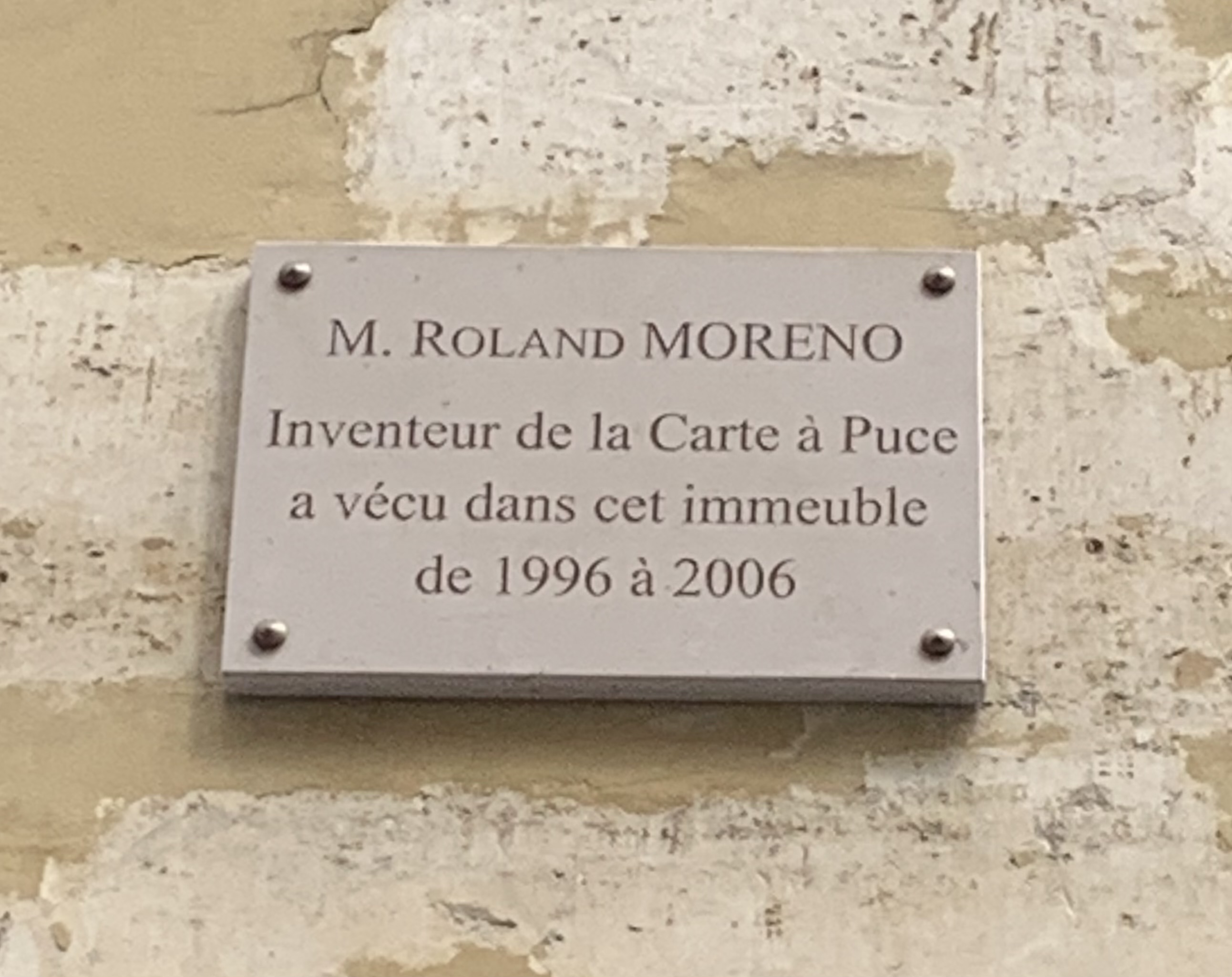
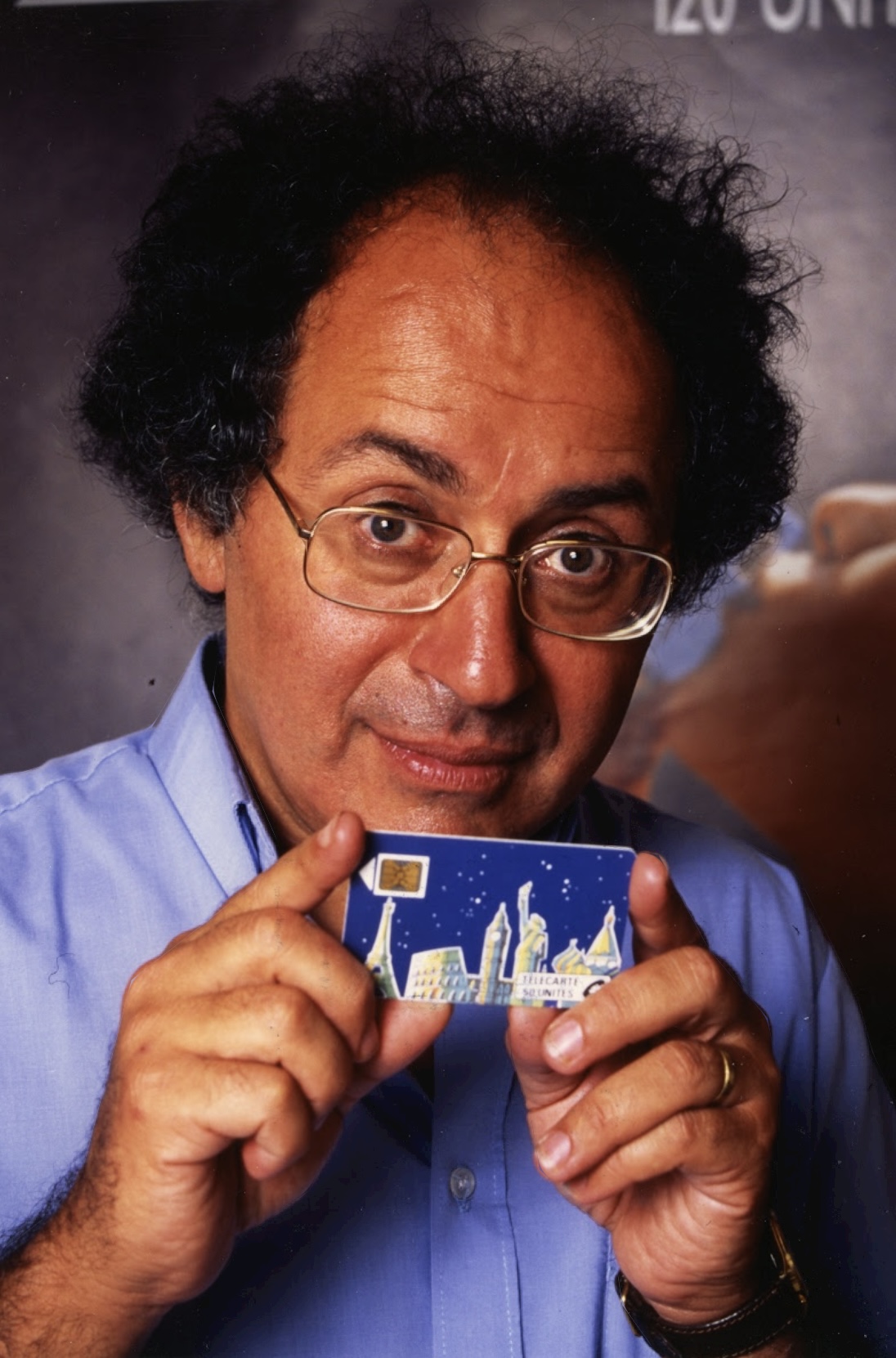
My favorite is nutty professor Roland Moreno, who changed our lives by inventing the computer chip (called in French a flea or « puce »). 

A dropout (like Santos-Dumas and Trouvé, who dropped out of locksmith school) his first job was writing for Detective Magazine.  He said the idea for the chip came to him in a dream, though not as a plastic card but as a ring.

He called the smart card project TMR, as an homage to Woody Allen’s Take the Money and Run. He first patented the chip in 1974 and by 1982 it was in widespread use in France, long before American Express brought it to America in 1999. He knew what he had unleashed: « They have the potential to become Big Brother’s little helper,” he said.

He wrote a cookbook with 2000 recipes and also invented the less successful Pianok, the Calculette, the Pièce-o-matic and the Matapof (which  electronically simulated Heads or Tails).

« I came up with the idea in my sleep. To be honest, I am a lazy bum and my productivity is on the feeble side.  I’m jealous, spendthrift, a total couch potato and absent minded. »

Bravo, M. Moreno!

These inventions were all born in Paris, but none of these inventors were.

Not a single one.

They reinvented themselves as Parisians and helped Paris reinvent itself.

A Postcard From Marcel Duchamp

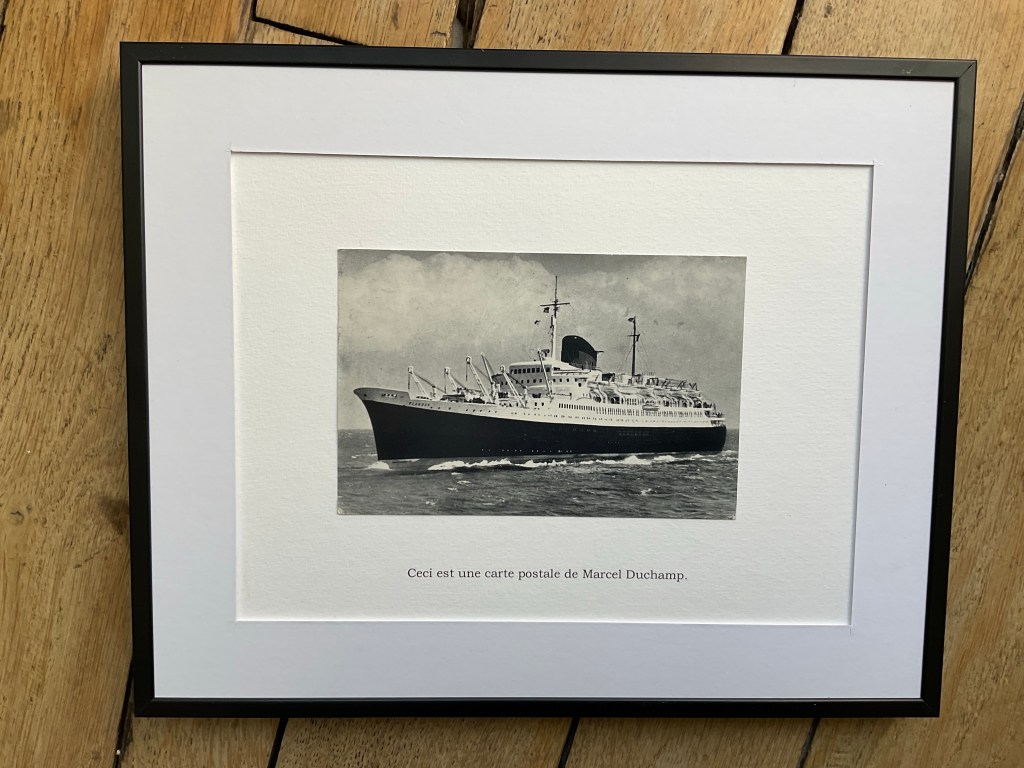
A picture of a ship

This is the SS Flandre, launched on July 23, 1952.

It is no longer a ship. The SS Flandre caught fire and was destroyed on March 24,1994 and then became scrap metal.

It is on a postcard – a postcard with a photograph of the ship. So I would say it is a ship, a photograph of a ship, and a postcard of a ship all at once. Plus it is somehow on your screen.

A postcard of the ship

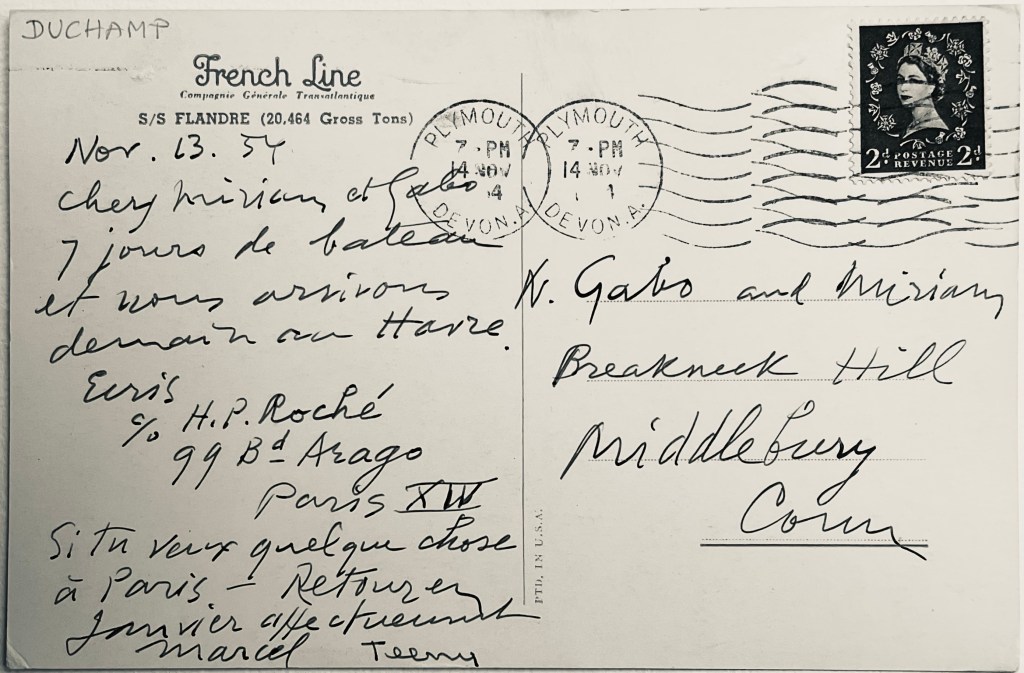
Anyway, when the ship sailed from NYC to Le Havre in November 1954, the French-American artist Marcel Duchamp was on board with his wife Teeny Duchamp, en route to Paris. He sent the postcard.

He wrote this on the postcard:

In English it says:

Nov. 13, 54

Dear Miriam and Gabo:

7 days of boat and we arrive tomorrow at Le Havre.

Write

c/o H.P. Roché

99 Boulevard Arago

Paris 14

If you want anything from Paris.

To return January.

Affectionately

Marcel       Teeny

It was sent to Naum Gabo, a sculptor and his wife Miriam. (« The essence of Gabo’s art was the exploration of space, which he believed could be done without having to depict mass. »)

He was a Russian Jew who lived in Paris and then England and escaped on a ship to the US in 1946. Duchamp had made it out of France by ship in 1941.

It really shows what a nice guy Duchamp was, to offer to bring something back from Paris when he returns.

He asks the Gabos to let him know via H.P. Roché their Paris shopping list.

Roché was a novelist, diplomat, journalist, etc. He wrote Jules and Jim, which Francois Truffaut found in a secondhand bookstore and made into a movie and he introduced Gertrude Stein to Picasso.

Duchamp is considered the father of conceptual art.  His breakthrough was the readymades, everyday objects that he would elevate to art just by adding his signature.  He designated things like a bicycle wheel (1913), a comb (1916), a bottle rack (1914), a shovel (1915), and most famously a urinal (which he signed R. Mutt, 1917).

I just bought the postcard from Marcel Duchamp, at an auction in Paris.  It really wasn’t very expensive, though it is hard to say what is or isn’t expensive for an old used postcard.  To me it’s worth what I paid but I paid 10 euros more than the person bidding against me.

I’m happy to have it and I popped it into a frame, printing on the matte:

Ceci est une carte postal de Marcel Duchamp.

(This is a postcard from Marcel Duchamp.)

You can only see the ship, so it looks like just a normal old postcard and I don’t know whether people believe it was written by Duchamp or if I just wrote that.  The significant part is hidden.

A couple of people read it quickly and thought it reads Ceci n’est pas une carte postale de Marcel Duchamp, like the Magritte painting:

This is not a pipe.

A long time ago I wrote and published a book, A Telegram From Marcel Duchamp, about a telegram from Marcel Duchamp.   It sold well and I got nice letters from Teeny Duchamp and John Cage and a postcard from Allen Ginsberg about when he met Duchamp.  You can get it on Amazon.

In my apartment I have over the fireplace the postcard from Marcel Duchamp and on a bookshelf the telegram from Marcel Duchamp.  I dream of a phone call from Marcel Duchamp.

Sao Joao da Madeira

You probably don’t know very much about Sao Joao da Madeira.

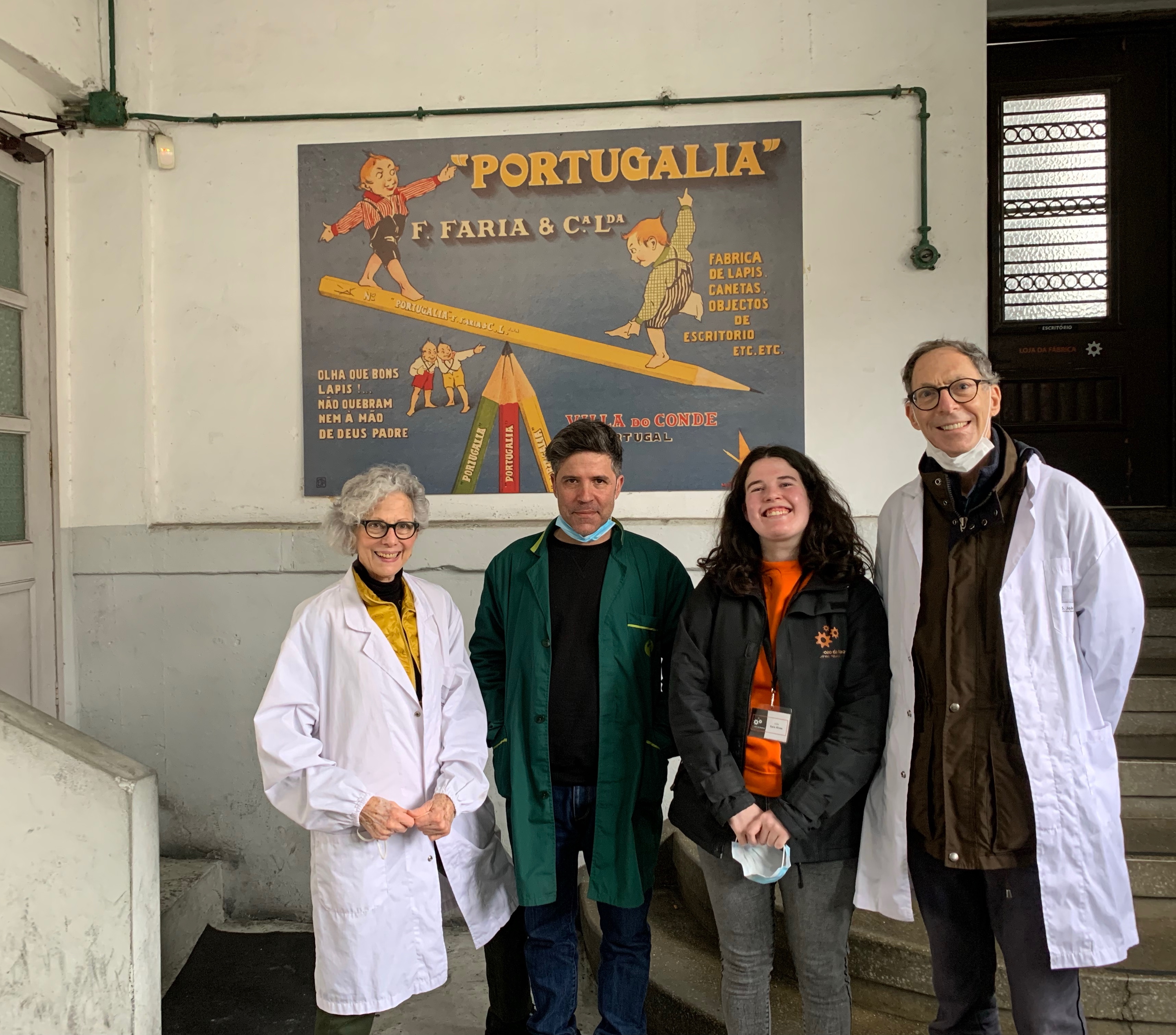
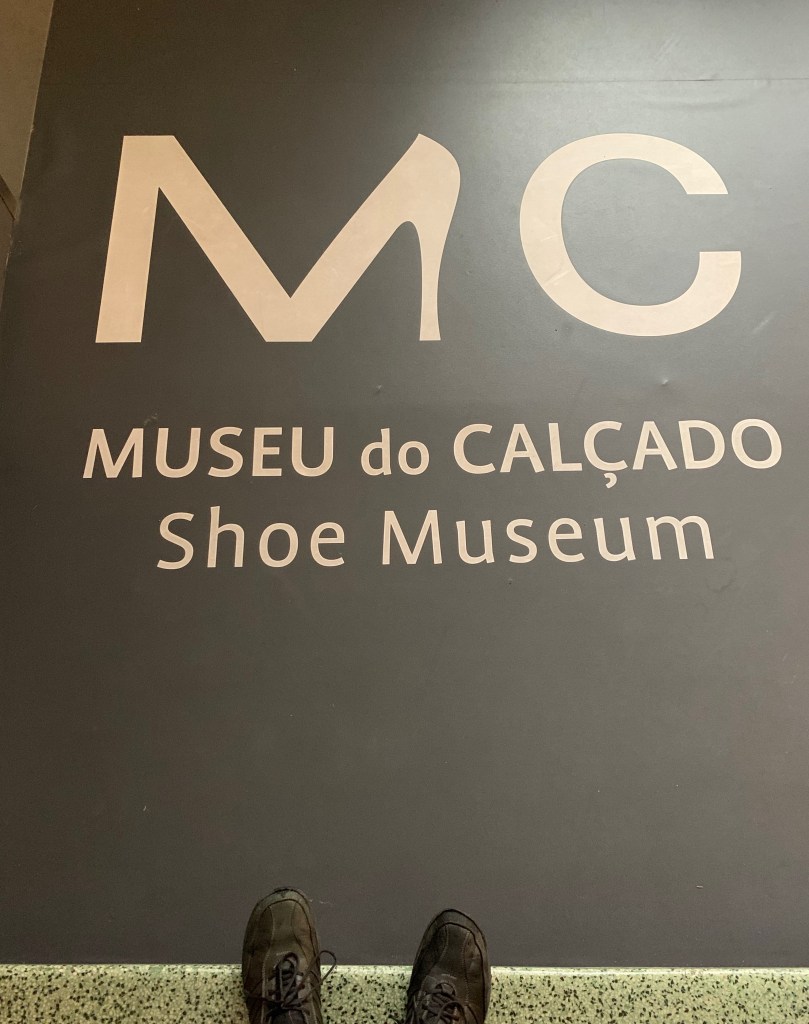
It is the smallest city in Portugal, with a population of about 22,000. But for such a small city it has a lot going on : a hat museum, a shoe museum, the only public collection of “outsider art” in Southern Europe, and a pencil factory that you could visit.

It is not all that easy to get there. You could take a train two hours from Lisbon and then another train for about an hour or from Porto take a train or a bus for about an hour and a half or a taxi for half an hour.

Let’s start our visit with the pencil factory.

The sign says “Pencils so strong they can’t be broken by the hand of God our Father”

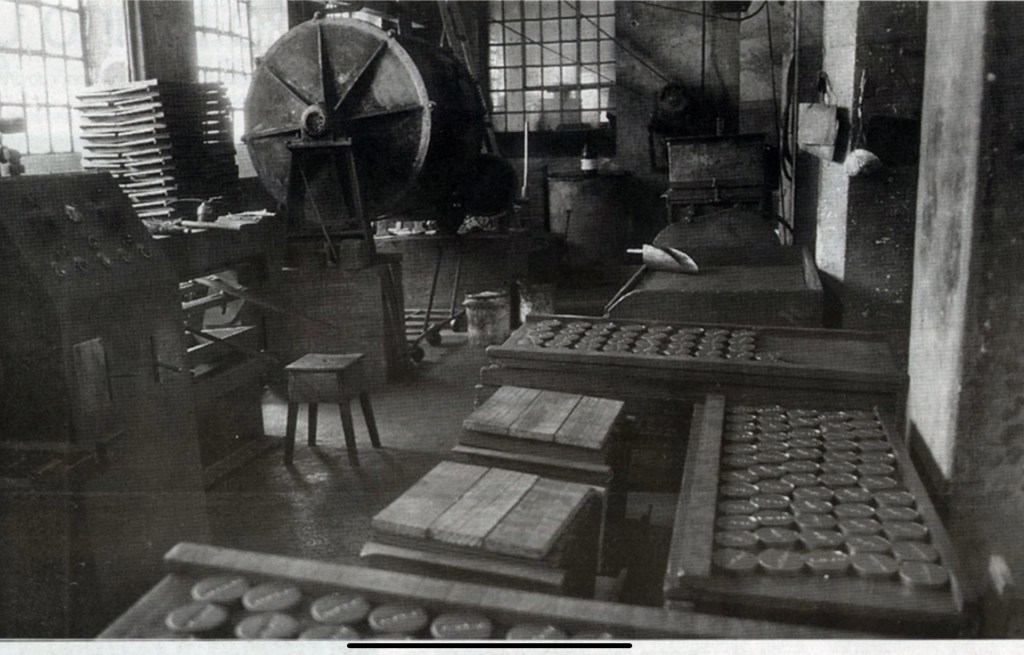
I hadn’t thought about how a pencil is made and I learned a lot. But I am not going to make my own. You need big machines.

Here it is mostly two production rooms each with about half a dozen workers. They mix graphite, mud and water with colors and jam them together under high pressure before expelling them into thin tubes that get glued into sandwiches of cedar, cut into pencils and painted. It doesn’t take a lot of people to make a lot of pencils.

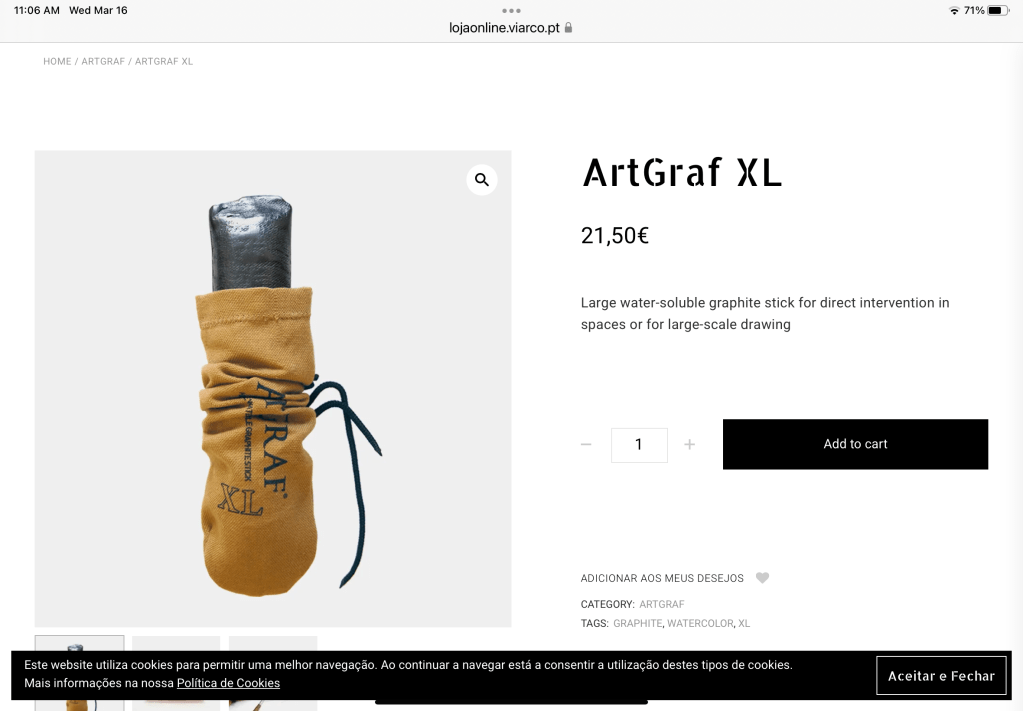
Viarco (www.Viarco.pt) has been making pencils since 1907 and before that the factory made hats. They make great pencils. Viarco pencils make me draw. When we went there, we were met by the owner, Jose Vieira, who began his welcome by telling us that the factory is “nonsense”.

Jose told us that the idea is to employ people and to fund his projects. There is the artists in residence program, with lodging and a huge studio where artists play with pencils and materials and Viarco is able to learn from them.

A sculptor came up with this :

They also make pencils with universal symbols for the color blind, a set with “6 Skin Tones”, pencils like connected chopsticks, and a rainbow colored pencil with “Love is Love” on the side.

Viarco encourages the art of mental patients with supplies and teachers and when we were there Jose had to rush off to a gallery for a show of their work.

If you want to visit Viarco, you book with http://www.turismoindustrial.cm-sim.pt. They also bring you the Shoe Museum and the Hat Museum. We only saw the Shoe Museum.

Left and right shoes date from the 12th Century.

The Oliva factory, where they used to make sewing machines, has been turned into the Oliva Creative Factory, a place for both artists and start ups. Plus there is the Treger/Saint Silvestre Art Brut Collection, the only public collection of Outsider Art in Southern Europe. I adore Art Brut, and Here Antonio Saint Sylvestre explains what’s so great about it. And the collection and the spaces are great too. Here are some photos :

This artist, Daniel Green, works at San Francisco’s Creativity Explored.

But I never learned why this collection is in Sao Joao da Madeira.

Sao Joao da Madeira has a House of Creativity and a Palace of Culture for concerts. And for the past 20 years they have had a Poetry Month. We were dining in a pizza place when we heard shouting and it was a “Poetry Moment”, an invasion of poets. After a while, diners were getting annoyed : too much poetry.

I was happy to see the support for the people of Ukraine in little Sao Joao da Madeira. The city sent a bus with three volunteer drivers to Poland to bring refugees to town where they ’ll be housed with families and in the artists residences. And a couple will be hired in the best restaurant in town, a really terrific one : Tudo Aos Mulhos: It gets great reviews .

The architecture in Sao Joao da Madeira is a mixed bag. Lots of it is bad and it could be in Mexico City. It reminded me a lot of Latin America.

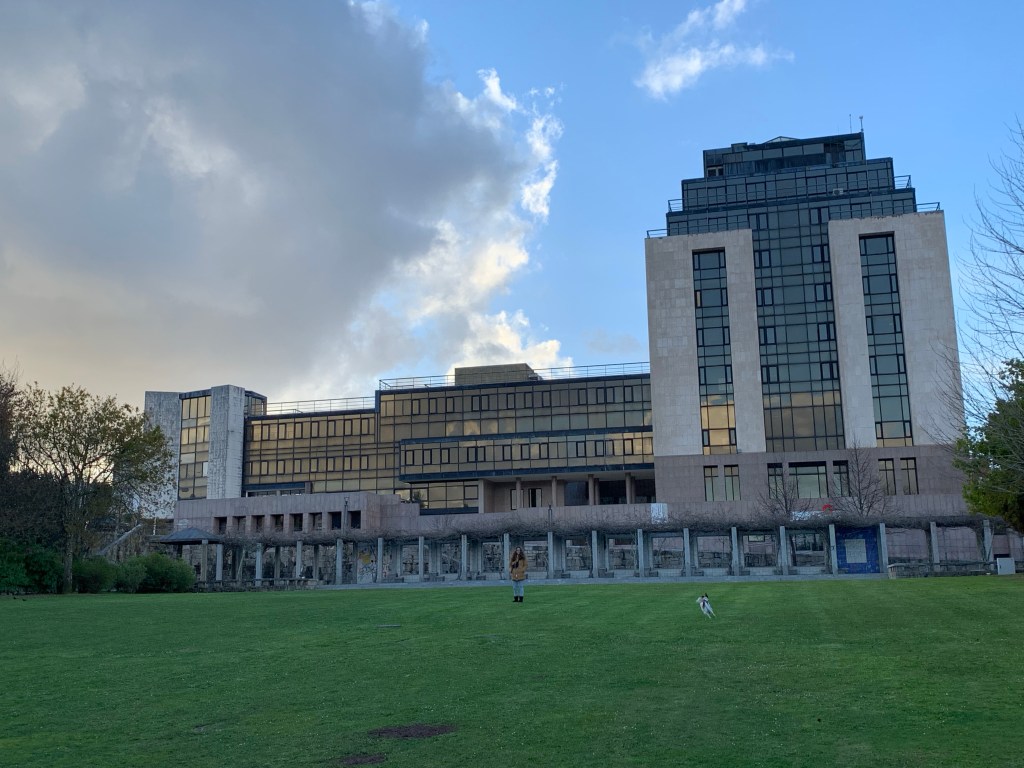
Here is City Hall. Why such a huge building for a city of 22,000 people ?

And what is that big ball in the park next to it ?

There were other puzzling things.


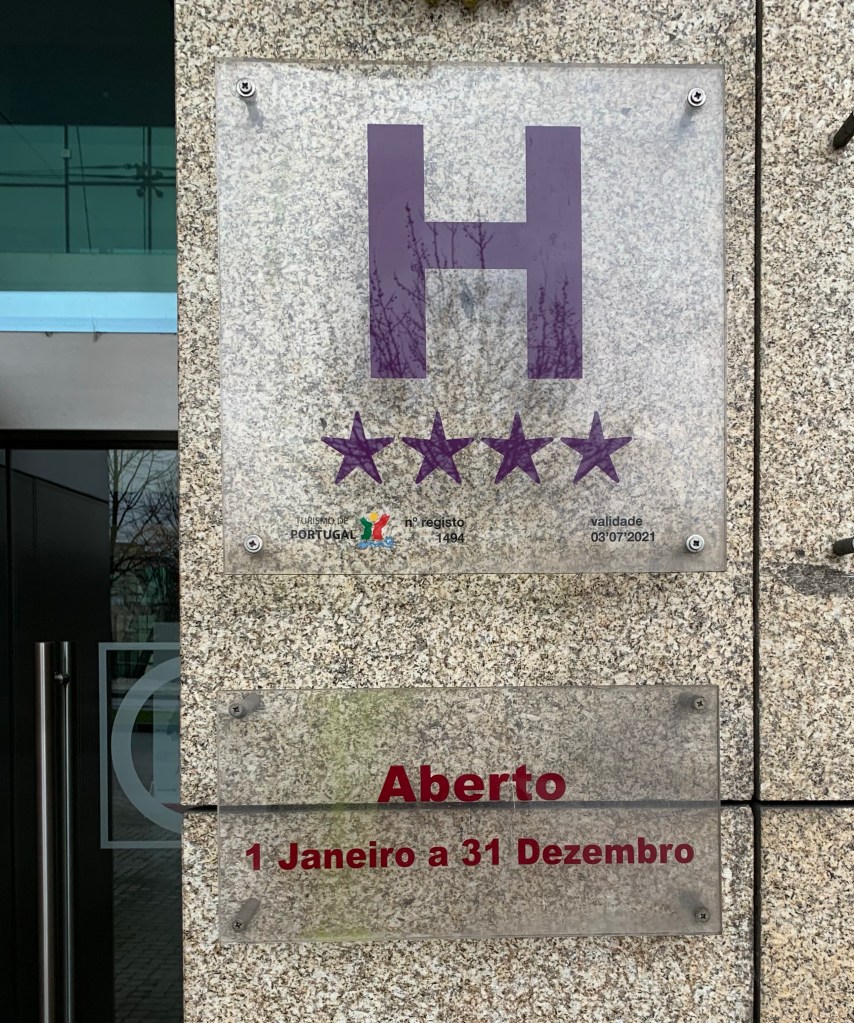
Why did our hotel let us know that they are open from January 1 to December 31 ?


And how many people are looking for the crematorium?

And who were all those people we saw ?

They didn’t seem like factory workers.

Start up people ?

Arts people ?

Commuters to Porto ?

I don’t know, but they seemed happy to be there. And so were we.

david@prowler.org

The Perverse Appeal of 6th Avenue


6th ave

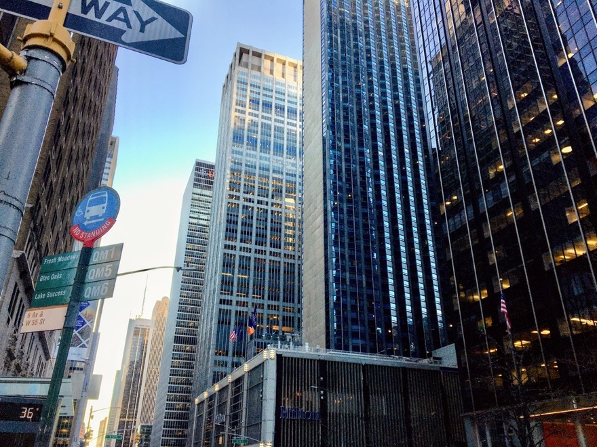
“More than any other street in New York, perhaps more than any other in a major city in the world, the midtown stretch of Sixth Avenue, especially in the twelve-block stretch north of 43rd Street, was the representative street of twentieth-century Modernist urbanism.”

New York 1960, Stern, Mellins, Fishman

I didn’t just dislike that place when I was a teenager.  I hated it.

It represented a lot of what I was rebelling against: corporate culture, conformity, capitalism: soullessness.  It seemed dehumanizing and the people working there were reduced to cogs.  The buildings were ant farms, or giant dominoes.  The ones between 48th and 50th were so interchangable that even the developer called them the X, Y, and Z buildings.  It’s been written that these kinds of buildings looked like the boxes that real buildings came in. One critic called them “the sinister Stonehenge of Economic Man”.

I wasn’t alone.

“The corporate investors are determined to follow the same tried and true, catastrophic course of construction that has made New York a less and less viable place: the familiar, Neolithic pattern in which a specific number of square feet of self-contained total depersonalized office space replaces a variety of small, necessary local facilities and functions, with the corporate giants hermetically sealed off from their surroundings by a few more pointless, windswept plazas and a dull clutch of ground-floor banks.”

Ada Louise Huxtable New York Times, May 1968

And ten years later, this comparison to Rockefeller Center just to the east:

“The contrast between the original development and the extension west of Sixth Avenue invite numerous comparisons: benign paternalism to the east, bureaucratic imperialism to the west; a unified family on one side, a row of caricatured corporate headquarters on the other; to the east a powerful yet humane architecture sensitive to light, to air, to scale, a product of romantic functionalism and creative opportunism, in contrast on the west to a one-dimensional good taste, gift wrapped architecture developed to contain the greatest amount of space permissible and through improved technology able to ignore all natural constraints.  Each building is a general issue product of bureaucracies that differ only in name, unconstrained by history or nature.”

“Rockefeller Center, Architecture as Theatre”, Alan Balfour 1978

Yikes.

But it wasn’t so great before either, when there was an elevated subway overhead:

66cm_X2010_7_1_ 102

“Flanked by smartness and gayety, crossed and crisscrossed daily by millions of people in search of amusement and merchandise, it stood for thirty years dark, dirty, and vacant…it has been called the Cinderella of Gotham, the unlovely sister of the bright and thriving streets beside it.”

NY Times, 1939

These big slabs of steel, concrete, and glass are masculine.  They were designed for the men of Exxon, Union Carbide, Celanese, Time Magazine and McGraw Hill and not for the women who typed their memos and brought their coffee.   It was hard not to notice.

Here, a review of the restaurant in the CBS Building:

“Since the building has a monolithic power, unequivocal masculine strength was called for, a total abjuration of the phony, a menu both hearty and international; uncompromised quality in food, service and décor, with commensurate prices; an open kitchen and stand-up bar; no aping of period décor, but traditional luxuries – fine mahogany, leather, velour, brass, crystal, silver, china; what looked expensive would be expensive.”

Olga Gueft, Interiors Magazine

There was, though, a gay subtext.  McGraw Hill was ready to pull out of crumbling New York and move to the suburbs.  But according to Sheldon Fisher, the president of the company, “it was the requirements of the company’s creative people that tipped the balance in the city’s favor: ‘Whatever their needs or inclinations, they can better satisfy them in New York than anywhere else.’”

But as cold and corporate as it was, it also sprouted uniquely American weirdness.

Like the Black Israelites who would man a table in one of the plazas, dressed all in white with turbans, proclaiming that Jews are imposters and they are the real descendants of the 12 Tribes.

Or Marilyn Monroe inaugurating the Sidewalk Superintendents Club at the groundbreaking of the Time Life Building.


marllyn

Here’s a great video.

I was always fascinated by Moondog, “The Viking of 6th Avenue”.

moondob


He’d stand there all day like a statue, blind, selling his poetry, as if he had time-travelled from 10th Century Norway.  Or even just space travelled, from a couple of miles south in Greenwich Village where he would have made more sense.

He was friends with Charlie Parker, recorded an album with Julie Andrews, and was roommates with Philip Glass.  A great composer, he later became a classical music star in Germany.

Andy Warhol designed an album cover for him, with lettering by Warhol’s mother:

warhol moondog

Check out my favorite of his pieces, Bird’s Lament.

Surrounding this stretch of cubicles, there’s the raucous fun of the Big Apple.

To the east, Radio City and the Art Deco exuberance of Rockefeller Center.

To the south, Times Square and the Broadway shows.

people across on intersection

Photo by Vlad Alexandru Popa on Pexels.com

There used to be, in Chelsea on 6th Avenue, the houseplant district, a little hit of sidewalk tropics in the city.

And there was a strip of weekend parking lot flea markets where Warhol would add to his hoard.

Farther south on 6th, the Women’s House of Detention, right in the heart of Greenwich Village, where prisoners could shout conversations with bystanders.

But this piece is about the stretch of 6th Avenue in midtown.

The funny thing is that I’ve changed my mind.  I hated it but now I love that strip.  Maybe it’s because I loved Mad Men or maybe it’s because the post-modern buildings that came later are so much worse.    It’s full of people, there are lots of places to eat. It’s actually kind of sexy, but maybe that’s just because of the sheer number of people.

Or maybe it’s just a great place, like a steel and glass Grand Canyon. And there’s no other place like it on Earth.

I swore I’d never go to Des Moines.

San Francisco Chronicle:

Open Forum: A San Franciscan dreams of Des Moines

By David Prowler Aug. 9, 2019

How can you tell whether a city is successful? Here’s a litmus test: Poor people, rich people and people in between can comfortably live there together. It’s a low bar, but since the birth of cities, it’s been one of their strong points.

Nobody would say San Francisco passes that test. Schoolteachers can’t afford to live here. Neither can dishwashers, artists, writers, laborers or retirees. Unless you have lots of money, San Francisco just isn’t inviting. It doesn’t work for everybody, and we are all poorer for it.

San Francisco may be a Great City, but I don’t consider it a successful city.

I’ve had Des Moines, Iowa, in the back of my mind for some time, ever since I read a piece by the musician David Byrne, formerly of the Talking Heads. He tours a lot and posts on his website about cities (and especially bicycles). Of a 2014 stop in Iowa’s capital, he wrote:

I didn’t sense the huge disparity of income that we often see — famously in the town I live in [New York]. You don’t get the feeling you’re an intruder in a rich person’s playground. I saw folks of different races and folks with different backgrounds enjoying their city — rather than keeping to themselves, isolated, as I have witnessed in many other places. I saw neighborhoods that seemed to be holding their own; a middle class was surviving and many were staying more or less close to the city center, which helped it stay alive and vital. I saw the beginnings of local culture manifesting in some new local restaurants, venues, galleries and shops.

I remember when San Francisco was like that. In 1974, I was a college dropout, a dishwasher in the Haight with a studio apartment. I always had pocket money, and I was part of a creative community of painters, musicians and writers.

All kinds of people can live in Des Moines. You don’t have to be rich. And because of that, it can sustain the creative scene that attracted Byrne in the first place (for the opening of the Des Moines Social Club, “a restaurant, bar, theater, outdoor performance space, classrooms and even a culinary school”). It’s a fairly diverse city,13% Latino, 11% African American — about twice the figure in San Francisco — and 6% Asian American.

With an unemployment rate near 2%, you could probably get a decent job there. And it would likely pay enough to live there: The median rent for a two-bedroom apartment in Des Moines, about $800, is comfortably affordable to a household earning about $32,000 a year, according to a recent study by Apartment List. It takes an income of about $123,000 to afford the median rent for a two-bedroom apartment in San Francisco, nearly $3,100.

Des Moines has a river, an art museum, a symphony orchestra, an opera company, lots of insurance companies and a botanical garden with a geodesic dome. It has buildings by starchitects I.M. Pei, Renzo Piano and David Chipperfield. It has a gay bar called the Blazing Saddle.

I imagine the city is flat and surrounded by big farms, and that it’s hot in the summer and cold in the winter. People are probably pretty nice, and many of them are probably pudgy.

Des Moines won’t make any list of the World’s Great Cities. It’s no tourist attraction or tech mecca. And it doesn’t make a lot of headlines beyond the presidential primary season.

All I know about Des Moines I learned from the internet. I plan to never, ever visit the city because I prefer to imagine it: the flip side of San Francisco, in a good way – the Des Moines of my dreams.

#########

The piece got picked up by the Des Moines Register: “Though Prowler promised to never soil his dream of Des Moines observing it up close, he has received an open invitation to visit at any time and claims to be taking it into consideration.”

I started getting emails and tweets from people in Des Moines:  Come visit us.  And after a dinner with a few bottles of wine some buddies and I decided to go.

Here’s what struck me about Des Moines:

It’s not big, just over 200,000 people, which does make it big for Iowa.  It’s not part of a big metropolitan area like I’m used to – once you are out of town you really are out of town, in cornfields with some small developments.

You need a car.  The modern city, especially downtown, was designed to avoid the harsh winter weather and to accommodate cars. But it’s not like LA where you drive for 20 minutes to two hours to get anywhere.  In Des Moines it is a more predictable 10 – 20 minutes.

Then you’ve got to park.

In Downtown Des Moines I saw more places for cars than I’d ever seen anywhere.

Between the highrises and the parking garages most downtown streets are empty and sterile.

dsm skyline

Photo:  Des Moines Register

And there really isn’t much reason to be on the sidewalks.  There are hardly any stores or restaurants and you can get around in the 4 miles of glassed-in second story walkways that connect 55 office buildings and their parking garages.

skywalks.png

There isn’t even retail along the walkways.  The big employers – insurance companies, banks, and publishing – have cafeterias.  Where would you buy a Band-Aid if you cut your finger? Google Maps lists two drugstores in all of Downtown Des Moines.

There, I sensed the ghost of a former city, with department stores, offices, warehouses, theaters, hotels, all the old-time downtown stuff.

old downtown.png

It once looked like this.

By the mid-1980s it looked like this:

downtown lots.png

In 1987 Downtown had seven blocks of car dealerships.

Meg Malloy, President of the Des Moines Junior League and our super-generous local guide writes:

“It was probably a mix of properties – vacant lots with overgrown weeds and other buildings, some which were dilapidated, but several which were in decent shape but might have been more expensive to bring up to code because of asbestos removal, whathaveyou. A lot of the really cool buildings were (unfortunately) demolished before I was born: the Victoria Hotel, the KRNT Radio Theatre, etc. I suppose nothing is forever where progress is concerned, but it still would have been cool to see Johnny Cash at the Radio Theatre in the 60’s.”

The hollowing out of Downtown wasn’t due to natural disaster, like in San Francisco or redevelopment, also like San Francisco.  Malls and highways killed downtown. Lots of buildings came down, buildings that today would be “historic” and that’s kind of sad.  But if Des Moines had had a more aggressive preservation movement at the time it would be like a lot of American cities, with decaying vacant buildings and high unemployment.  Instead, Des Moines has corporate headquarters and a 2.5% unemployment rate.  (Historic preservation has caught on, after the rehabilitation of a 1913 Masonic Temple into restaurants and a theatre and there are some residential historic districts.) Today both young people and empty nesters are moving back to downtown and the adjacent East Village neighborhood, into conversions and new buildings. In the 1990s 1,000 people lived Downtown: now there are 15,000. And they are happy to have, finally, a grocery store.

There is a lot of buzz about Des Moines, as a place for normal people with normal incomes to rent or buy normal homes and lead their lives.  In recent years Des Moines has been named the nation’s richest (by U.S. News) and economically strongest city (Policom), best for young professionals (Forbes), families (Kiplinger), home renters (Time), businesses and careers (Forbes). It has the highest community pride in the nation, according to a Gallup poll last year, and in October topped a Bloomberg analysis of which cities in the United States were doing the best at attracting millennialsto buy housing.

Nonetheless, despite David Bryne’s impression of integration, it may not be so great for black residents.  We were struck by how few we saw downtown, eating in, or even working in, restaurants and that most people waiting at bus stops for the very few buses were African Americans. Statistics bear out the Des Moines is not a great city for black people.

There’s not much tourism in Des Moines, no double decker buses making loops between sites.  No puzzled French people with maps.  They make an effort and there is a glossy magazine called Catch Des Moines.  Most visitors are from the region.  Without destination landmarks, Des Moines has developed a kind of event tourism.  There is the spectacle of the Iowa Caucus every four years.  But also the Iowa State Fair, Drake Relays, Arts Festival, Opera Festival, 80-35 Music Festival, Hinterlands Music Festival, and this:

HS


The normalcy of Des Moines felt exotic – no Dawn of the Dead streets of drug addicts; no people walking around naked. No cable cars or Statue of Liberty or even an arch like in St Louis – though there is plenty of architecture by its designer, Eero Saarinen and his dad, Eliel.

I really liked Des Moines.  People were super-friendly and proud of their city: “Iowa Nice” they actually call it.  Everyone we met was patriotic about their home and it is the kind of place people move back to. I asked lots of people what’s the biggest problem in Des Moines and the answer was consistent:  potholes.  Not gentrification or homelessness (“There’s some over by 6th and Walnut.”) or a housing crunch.

Des Moines isn’t packaged for your entertainment.  It’s not a show town like Las Vegas or a Disneyland like those parts of Lisbon that are majority Airbnb or a luxury shopping mall like Soho in NYC.

Des Moines has an authenticity those places lost long ago.  It’s a real place.

#######

Enormous gratitude to Meg Malloy and Christopher Disbro who invited me and introduced us to both an elegant hushed restaurant and “the best dive bar in Des Moines”, to Evan Olson of Say Hello to the City for his invitation and for showing us around and to Karla Walsh for her insights.Thanks to John Whitty for orienting me before and after.  And thanks to Stinky, the bartender at Blazing Saddle for the round of drinks.

Huge thanks to my buddies Steve Vettel and Rich Hillis for being such great explorers.

Picture1.pngs &R


 david@prowler.org


Lisbon/San Francisco


People often remark on the superficial similarities between Lisbon and San Francisco: the hills, the iconic bridges, the culture and food, the cosmopolitan sophistication.


IMG_1741

LISBON

I’d been struck on a recent visit to Lisbon by other, less fortunate, similarities: the challenges of dealing with boom times.  Both cities are struggling with housing affordability, gentrification, and a feeling that the city is “losing its soul”.  So I came back to spend the month of June to see how this city governed by the Socialist Party deals with these issues and to see what the juxtaposition of the cities could teach me about San Francisco.  Here in Lisbon I served as a consultant to neighborhood planning association Rés do Chão.sponsored by Venture With Impact.

I learned some surprising things:

  • Lisbon’s boom didn’t just happen. Measures were put in place to crawl out of financial crisis.
  • Lisbon changed dramatically in an astonishingly short time. Ten – even – five – years ago it was a very different place.
  • Lisbon itself has little control over matters that American cities would determine.These are national matters, governed by Portugal and in some cases by Europe.
  • “Socialism” doesn’t mean much. San Francisco is far to the left of Lisbon.
  • Culture is as important as politics.
  • What’s happening here isn’t only gentrification. They call it “touristification” and “financialization”and both the causes and effects are very different.
  • Lisbon is inexpensive – unless you’re Portuguese.
  • Even the nature of nostalgia, or saudadein Portuguese, is different.

A little background:

Lisbon has seen sweeping changes in just the last century.  Although it is one of the oldest cities in Europe, founded by the Phoenicians in 800 BCE, most of the old city was devastated in an earthquake, fire, and tsunami in 1755.  Tremendous growth occurred starting in the 1950s, much of it on land formerly occupied by squatters.  In 1974, about 30% of the residents lived in these informal communities, many of which were solidly built and benefitted from tapping into public water and electric lines.  The population of Lisbon peaked in the 1981 census when the population was about 850,000, a size and density similar to San Francisco today.  But by the last census, in 2011, that had dropped to about 500,000. San Francisco never shrank and during about the same time period the population steadily grew from 678,974 to 805,237.

Meanwhile the Lisbon suburbs grew by 1.6 million people, most of them rural people coming to the city for work, tenants moving out of Lisbon, and an estimated 700,000 returning from the colonies (primarily Mozambique, Cape Verde, and Angola, all liberated after the 1974 revolution), some black and some white, sometimes after generations in Africa.

In the last century about 1 million mostly rural Portuguese left, usually for France, often on foot.  These are enormous numbers in a country that then had about 8 million people.

Economically, the 20thand 21stCenturies have been tough for Portugal.  Little changed in the Portuguese economy during the decades of the Salazar dictatorship, 1926 to 1974. Then, from 1974 to the early 1980s inflation was 20% – annually.  And a series of recessions set the country back until the global financial calamity of 2008 knocked the economy down farther.

If you come from San Francisco, whether to visit or to live, Lisbon is a great bargain. Average one bedroom rent is about  $1,030 (890 Euros) vs. $3,396 (3,020 Euros) in San Francisco (according to the website Numbeo which tracks costs of living in cities worldwide). And it isa bargain – unless you are Portuguese, where the average monthly net wage is just about $1,000, with over 20% of Portuguese making the minimum wage of about $730 (650 Euros).  In San Francisco the average monthly net salary is $6,580.  So the average one-bedroom apartment in Lisbon rents for the average Portuguese monthly income.

Today’s Lisbon is booming, with 23 hotels under construction and rehabilitation and building throughout the city.  A recent New York Times article put it this way:  “Lisbon is thriving, but at what price for people who live there?”

Do sweeping changes like those seen in Lisbon just happen?

He ticked off the measures taken by Portugal to climb out of the devastated economy of 2010 and to satisfy the European Community’s demands for austerity:

  • Golden Visas: Invest more than 500,000 euros in property in Portugal and you get a visa, good throughout the EU.  Many of these investors then market their “homes” as short-term vacation rentals. And the 500,000 Euro threshold for visas has had a perverse impact on housing prices. A friend of a friend’s apartment was stuck on the market at 350,000 Euros, but it sold in two days at 510,000. It’s a parallel real estate market, really a market for visas with buildings thrown in. According to Bloomberg News, 80% of buyers of property for Golden Visas are Chinese nationals.  I passed a real estate storefront with a sign in Chinese.  And I’ve started getting an awful lot of emails urging me to “Invest in Portugal”.
  • If you’re already an EU citizen, you could benefit from the Portuguese tax code. If you haven’t earned money in Portugal in the previous five years, you can move there and pay no taxes on pensions, dividends, royalties or interest for ten years. That’s no income taxes in Portugal or in your previous home country.
  • Tourist attraction efforts are nothing new in Portugal: the tourism board was formed in 1911. Even Fernando Pessoa, the rock star of Portuguese literature, whose name and image are all over Lisbon, wrote a tour guide, “Lisbon: What the Tourist Should See”, in English, in 1925. Their efforts have won many awards:  Best Tourist Board, with the Best Website, World’s Leading Destination, etc and according to the World Economic Forum in 2017 Portugal for the first time had more visitors (11,423,000) than residents (10,309,573).  The birth of budget airlines helped a lot – A flight to Paris costs 34 Euros, about $40 – and most tourists are Europeans.

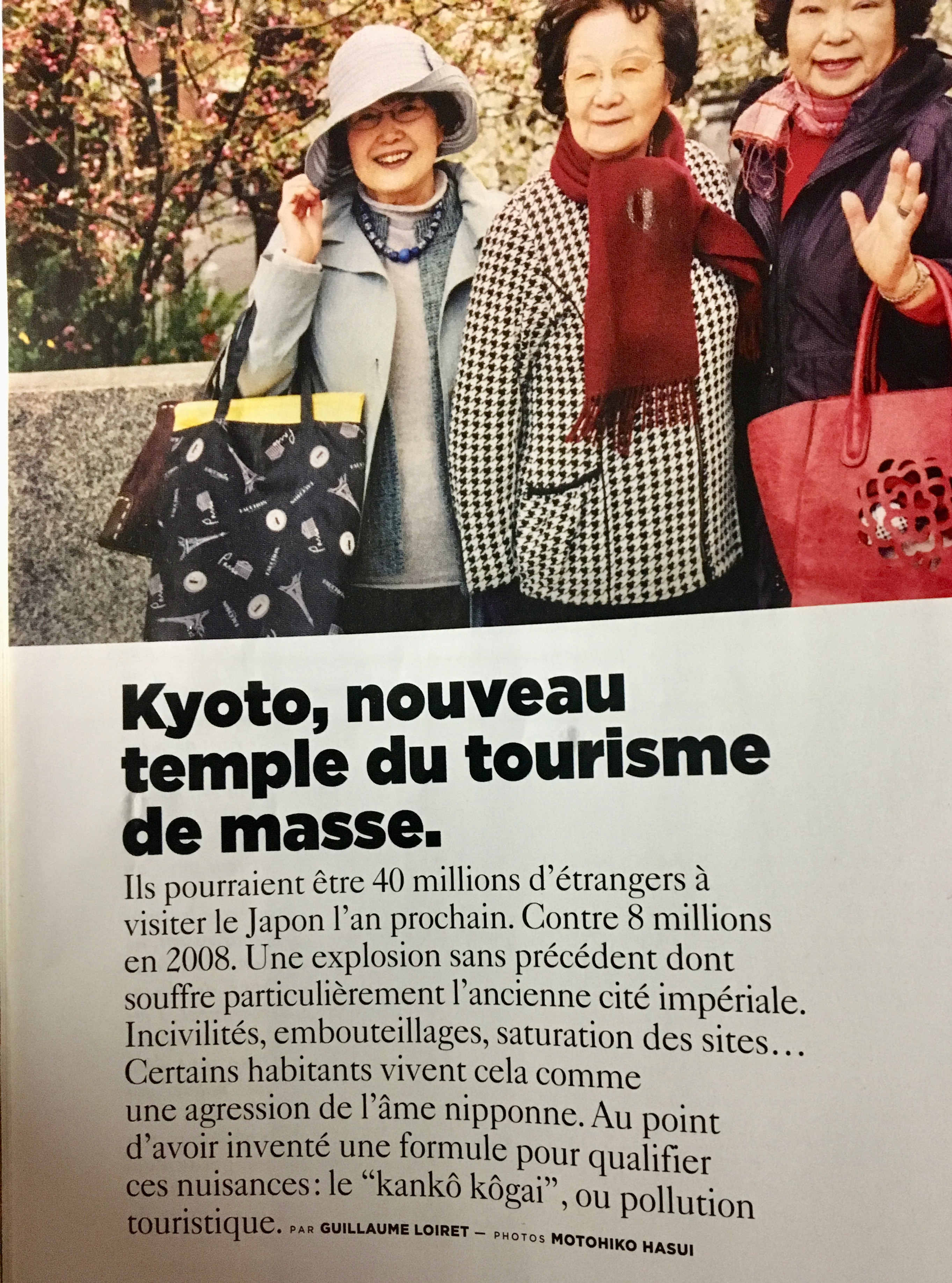
It’s not just Lisbon that’s flooded with tourists. In 2018, 1.4 billion people stayed overnight away from home, double the number from 20 years earlier.

Here’s an article I just came across in Paris:
IMG_5040

All this tourism creates big problems.  There is great pressure on infrastructure like transit, especially Lisbon’s picturesque cable cars and in some neighborhoods even the sidewalks.

IMG_4533 (1)

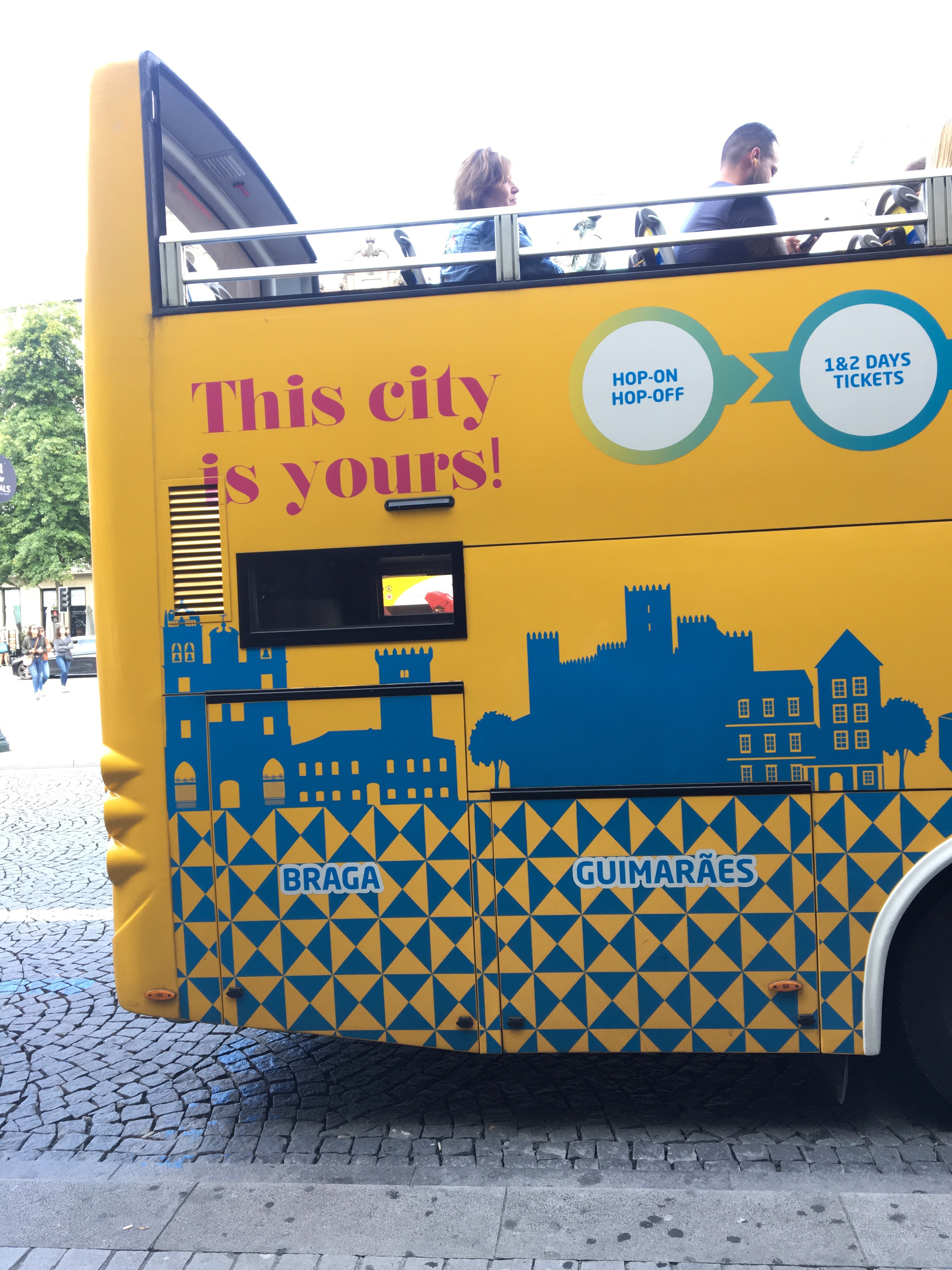
Short-term rentals remove potential housing from the stock, though it is worth noting that half of what became Airbnb-type units were vacant before.  Tourists can be jerks whether they are in your building or on the street, especially where there is nightlife.
IMG_4559 (1)

And what had been hardware stores or butchers (both of which abound where I’m staying, in a neighborhood called Penha de Franca, which reminds me some of the Brooklyn of my boyhood), become souvenir shops.  “Nobody is against tourism but there must be a balance because Lisbon has Lisbonites and Lisbonites can’t be considered as collateral damage. Tourists won’t want to come to Lisbon if there are no residents”, Vasco Morgado, president of the Santo Antonio neighborhood association told Bloomberg.

Airbnb and similar companies are an issue throughout the world and recently ten European cities asked the EU to treat them as real estate ventures, not just web platforms.

In 2018, Lisbon hosted 12.8 million visitors, 25 tourists for every resident. San Francisco that year had 25.8 million visitors– 30 per resident.  But somehow they are better absorbed. In part this is because San Francisco has had time to build enough hotels to accommodate visitors and because as in Lisbon tourists tend to cluster.  In Lisbon, the hordes of tourists by and large are found in the historic center, where only 10% of Lisbon voters live.  They bear the brunt of tourism, though short-term lodging is also scattered throughout the city.

  • In 2016 Lisbon ranked 9th worldwide for international meetings. A good example: the Lisbon Web Summit, which brought 53,056 attendees from 166 countries.This has become an annual event. Now Lisbon is turning a former army base into a technology hub, planned to be the second largest in Europe. Mercedes and Samsung have already signed up.
  • Airbnb and other short term rentals didn’t just get out of hand in Lisbon. Both the national government and the municipality encouraged them. The national government preempted local regulation in 2014 and only returned some local control in 2018.  The municipality then capped short-term rentals in certain neighborhoods – at 25% of all apartments.  According to the Jornal do Negocios 34% of apartments in the central city are short-term rentals.  In one neighborhood, Alfama, over half the homes are short-term rentals. Residential landlords are taxed at 28% while short-term rentals only pay a fraction of that. Naturally, this level of transience can dissolve the sense of community, as the neighborhood becomes a hotel.
  • Since the beginning of the dictatorship in 1926 until 2012 inflexible rent control allowed virtually no rent increases. For 86 years landlords had no reason to maintain or improve properties. In many cases landlords were paying more in taxes alone than receiving in rent. So they walked away.  To meet the demands of the European bailout Portugal did away with anycontrols on rent.  Anybody can be evicted once their lease, typically 3-5 years, expires or for owner move-in or significant remodeling.
  • By 2015, housing prices in central Lisbon had increased by 23%. In 2018 Portugal led the European Community in housing cost increase with a 10.3% rise. In Marvila, a formerly industrial area, prices increased by80%.  And the Jornal de Negocios reported the following year that the number of houses for rent decreased by 75% (in a city that’s about half renters).
  • In 2009, according to the Lisbon City Council, 5,000 buildings were “vacant, in poor condition, or crumbling”. You can still see them all over the city, boarded up, graffiti covered shells, often missing even the roof. And a few years later the Portuguese Conference on Construction and Real Estate estimated 26,000 vacant buildings. In 2011, 50,289 of the central city’s 332,865 apartments were vacant.  Many of these buildings are owned by the municipality, which took them over when owners walked away.

IMG_4612

  • In San Francisco I can think of less than have a dozen abandoned buildings, all owned by the City and each handicapped by the need for expensive seismic upgrades and controls on historic buildings.

Not all of these efforts were started by Lisbon or even by Portugal.  The “Troika”, composed of the European Community, the International Monetary Fund, and the European Central Bank, in 2011 bailed out Portugal with a $92 billion loan (about 80 billion Euros) – with conditions, including the elimination of rent control.

In Lisbon, when people say “the government” they mean the national government, not City Hall, which is “the municipality”.  Most power – from regulating housing subsidies to rent controls to AirBnB is with the national government (which of course is itself in Lisbon). This is very different from the situation in American cities where the municipalities are pretty much left alone, with little interference from the states or national government.  Decisions are made locally.

Note that none of these efforts, crafted to help Portugal climb out of the recession, directlyhelp residents of Lisbon – they benefit newcomers, landlords, visitors and investors. The fiscal benefits help Portugal while the social costs are concentrated in Lisbon.  And the solutions generally are transnational – aimed at capturing euros and dollars from outside Portugal – to address a financial crisis that itself is primarily an import.

Professor Simone Tulumello pointed out that it’s not only gentrification and not just displacement.  It is a myth that Lisbon was “empty”.  True, the population plummeted and in the historic center many buildings were abandoned, but many parts of the city remained solid and the metropolitan area population boomed.

They don’t call what’s happening in Lisbon gentrification – rather, touristification. I’d never heard that term but in Lisbon I hear it a lot.

I heard many times that Portuguese excel at complaining, but only to each other and increasingly on social networks, but not so much to anyone who could actually fix anything.  This is probably a legacy of the 48 years of dictatorship or of a fatalistic culture. I’ve heard both theories.  Italian journalist and Lisbon resident Francesca Berardi told me her theory: Americans petition, vote, speak out and sue because we consider ourselves customers of government with a right to be satisfied.  Dr. Roberto Falanga, of the University of Lisbon, says that Southern Europeans think of themselves as beneficiaries, not consumers, of public services.

This is changing.  An example, from the Facebook page of Stop 60m Torre, the community group opposing a high rise tower:

“This is an exercise in public scrutiny because as citizens of Lisbon, we have an obligation to be demanding with those who represent us and who manage our resources. We have confidence in our public authorities and believe that together it is possible to build an even better city.” (Translation, automatically, by Facebook)

Look at the case of Torre de Portugalia, a grossly oversized high rise proposed for the site of a former brewery not far from my Lisbon apartment. I met with Miguel Pinto-Correia, a leader of the opposition to the site, for coffee in a park overlooking the city. He and a handful of other volunteer activists have done a heroic job of researching the project and the Municipal Planning Code and rallying support. They built on their experience of successfully opposing the bulldozing of an open space for a parking lot and instead involving the neighborhood into the design of a park.

IMG_0081 (1)

The project is 16 stories high: 85 market-rate apartments, parking for 413 cars and 99 motorcycles, and some retail or office.  The developer has applied for bonuses relating to energy efficient lighting and rainwater capture that would enable a building 60% bigger than would otherwise be allowed.  The city planners signed off on these bonuses without any independent calculation of their value, simply relying on the tables provided by the developer.

And it would violate policies, similar to San Francisco’s, aimed at concentrating taller buildings on hilltops and protecting sunlight on sidewalks. Protected views from three public miradoras, or viewing points, would be blocked.

In Lisbon, once application documents are submitted by the developer (in this case a German pension fund), citizens have two weeks to review them – by visiting City Hall and reading them in person.  Because of the outcry over this proposal, rallied primarily via Facebook, the municipality extended the deadline and the documents were posted online. In Lisbon, delivery of 150 signatures triggers a public hearing; project opponents gathered 2,800.  300 people attended a presentation by the architects (at which they defended “an elegant shadow”).

I was struck by how little press coverage there has been about Torre de Portugalia.  In San Francisco it would be front page news and I realized how fortunate San Francisco is to have such good coverage of planning, urban design, and development issues.

In San Francisco, the process would play out differently and the proposal itself would have to differ.  About 20% of the apartments would be subsidized by the developer to increase affordability, the energy and water conservation features would be requirements and there would be no bonuses for them. San Francisco would not allow even one parking space per apartment, in an effort to discourage private cars. The planners are empowered to comment on every aspect of building designs and delay consideration until they are satisfied.

The project would be analyzed in an Environmental Impact Report, which would probably take two years to complete, while really ugly meetings between the sponsor and neighbors were held.  The project would be turned down – or, more likely, the application would not have been accepted.

Were the project somehow approved by the Planning Commission, it would be appealed to the Board of Supervisors and then to court, adding additional years to the process.  Projects in Lisbon do get appealed to the courts and Miguel told me of four that were eventually turned down.

And in San Francisco the years of delay might be enough to kill the proposal. Construction costs have been rising about 10% per year and there are plenty of approved projects that have been shelved because the numbers no longer work

It’s ironic that the Socialist Lisbon (and Portuguese) government acts capitalist.  One local expert summed it up over coffee: they are Socialist – but only on Monday, Wednesday, and Friday.

SF is the opposite, supposedly capitalist but far to the left of Lisbon in policies and regulations.  People in Lisbon are really impressed by San Francisco laws.

  • Market rate developers are required to create or fund affordable housing;
  • The Brown Act and Sunshine Ordinance require public access to meetings and documents. I’m told that such laws are in place in Portugal but routinely ignored.
  • Our rent control and eviction protections ensure that tenants can feel secure in their homes, while allowing landlords to raise rents between tenancies.
  • San Franciscans saw the impacts of Airbnb and after a series of laws, lawsuits, and even a ballot proposition, regulations have cut listings by 50%, virtually overnight. It is no longer legal to keep an apartment solely for short-term rental use; you’ve got to register and prove that it is your home except for the 75 nights a year you can offer it. Airbnb and the other web-based services provide the listings to City Hall for tracking.
  • We attempt to provide subsidized housing. 10% of housing in Lisbon is public housing.  In San Francisco just since 1990 28% of all housing built is subsidized, whether built by non-profit developers or within market rate buildings. And San Franciscans have consistently voted to tax themselves for affordable housing. Nonetheless, because of bureaucracy, land and construction costs, super high demand from highly paid newcomers, and poor zoning San Francisco has the highest housing costs in the nation.
  • Office developers are required to pay for housing, childcare, transit, and open space. The housing payment alone is $28 per square foot of construction.
  • Building codes are enforced aggressively and residential buildings can’t be demolished until a replacement building is approved.
  • Citizens’ commissions and public input into city decisions are the norm in San Francisco and our system of appeals and lawsuits serve to really slow down change – for good or bad. If people aren’t satisfied with all that recourse, it is not hard to get a proposal on the ballot.

Public process in San Francisco can seem like a ritual, one that adds years to any change.  An example: 186 apartments were recently approved on Divisadero Street after five years of review and, according to the sponsor, 1,000 meetings including weekly “beer with a developer” sessions at the corner bar.   All of this astonished the Portuguese.  While I think public input is a good thing, five years of it in a city that is starved for housing is too long.

In California, proposals large and small might undergo years of review, hearings, appeals and lawsuits under the California Environmental Quality Act (CEQA). CEQA was adopted in the 1970s to ensure that decision makers act only when the environmental impacts of proposals have been thoroughly studied.

I think CEQA is misused and should be reformed, but in principal study of impacts is a good idea.

Here’s an example:  In the older part of Portugal, the buildings that replaced those destroyed in the 1755 earthquake/fire/tsunami have wooden foundations and as long as they are submerged they are preserved.  But when building uphill began putting in underground garages the water table fell and these foundations, exposed to the air, began to rot.  That would have been good to predict.

Generally, San Francisco takes earthquake retrofit and preparedness much more seriously than Lisbon.

In San Francisco there is a feeling that petty crime and drug addiction are out of control and the streets and public spaces are sometimes unusable. In Lisbon, the Mayor (now the Prime Minister) even moved his office to face a drug users’ plaza just to reclaim it.

Portugal has done a good job of dealing with drug addiction, a terrible problem in San Francisco (According to the San Francisco Chronicle, an estimated. 22,500 intravenous drug injectors outnumber high school students by 8,500).

Portugal famously removed criminal penalties for possession of any drug in amounts sufficient for a few days use and crime and drug abuse plummeted.

In San Francisco where the police are frank about the low priority of street drug arrests, that hasn’t helped.  That’s because although there is no criminal penalty for small drug possession, Portuguese users are required to appear before a panel including a doctor and social worker to discuss their drug use and alternatives. Drug treatment, residential or outpatient, is available on the spot. Methadone is widely available from traveling vans or from pharmacies.  Portugal is among the safest countries in the world and you can feel the difference.

Saudade is a word that comes up a lot in Portugal. It means a longing, either for a homeland (in Cesarea Evora’s case for Cape Verde https://YouTube/ERYY8GJ-i0I) or for a loved one. It is considered a pleasurable feeling. I saw two cafes named Saudade, a Saudade guest house, and even a banner in a supermarket,  “Obrigado, Volte sempre que ja estamos com saudade”: “Thank you, come back soon we already miss you.”

But it could also describe one’s feelings about the city that used to be.

In SF there is real saudade for a better time.  Just read the headlines:   “How San Francisco Broke America’s Heart”, Washington Post; “ San Francisco is not Dying, San Francisco is not Rotting, But Things Are Bad And They May Not Get Better”, Mission Local; “San Francisco is A Mess and Everyone Knows It”, San Francisco Chronicle.

No city is just as it was decades ago.  That’s not cities.  But the rate of change in Lisbon far outstrips that of San Francisco and even though some of the effects are similar the causes are entirely different. San Francisco has classic gentrification. In San Francisco housing costs are skyrocketing because people want to live there: not for visas or to Airbnb, for tax relief, or as investments.  In San Francisco, change has accelerated; Lisbon turned on a dime. And not because of anything the city did. San Francisco has been an expensive city for at least the 45 years I’ve lived there.  In Lisbon this increase is a shock.  Short of an earthquake or a hurricane, I hadn’t thought a city could change so dramatically so quickly.

But in Lisbon while there is lamenting about expense and the tourist invasion there doesn’t seem to be nostalgia for before.  Parts of the central city were decaying and forbidding. Unemployment was high. The Municipality was overwhelmed.  There were big problems then and along with the solutions came new ones.

By many measures, San Francisco and Lisbon are success stories.  But I think that the New York Times headline poses the right question: Lisbon is thriving but at what price for people who live there? That’s a good question about San Francisco, too. To me, the measure of success for a city is whether people of all classes can comfortably live there.  I’m not sure that any city has successfully addressed this challenge in a boom time.


My exploration of Lisbon would not have been possible without the warm generosity of local experts, who I can’t thank enough.  Thank you, from my heart, to Luis Mendes, Roberto Falanga, and Simone Tulumello of the University of Lisbon; Tai Barroso and Ann Davis of Venture With Impact; Luis Matos of Rés do Chão; Francesca Berardi; João Seixas and Jordi Nofre of the New University of Lisbon; and Miguel Pinto-Correia of Stop60M Torre. And thanks to all the waitresses and cab drivers I informally interviewed.

david@prowler.org


STREET ART

I bought some art on Hayes Street.

And I do mean on the street: the sidewalk.

Hayes Street was shadowed by a freeway overpass until the 1989 earthquake when the overpass came down.

Then.

Before that it was known for open-air prostitution but now it is known for boutiques.  There are three eyeglass stores, three luggage stores, restaurants and wine bars, many shoe and high end sneaker stores, artisanal ice cream and stores for just chocolate and macarons.  There’s even a sake store.

You can buy confections:


Before it was all boutiques there was, among the pioneers, a small Chinese-owned corner grocery store, the kind that makes its margin on junk food, cigarettes, and beer.   And the family that ran it had a little girl who made little paintings on wood in a little studio in the window. 

Sometimes when she had enough she’d set up on the sidewalk. She was 10.

hayes st.jpeg
In 2009 I bought this one, for about ten dollars.

Today the grocery store is gone, replaced by one of those clothing stores that looks like an art gallery, among other clothing stores that look like art galleries.  

Image result for hayes street boutiques

But no more grocery store/art gallery.

The girl must be about 20 now and I hope she is still painting.  

Then, just the other day, I was coming home from lunch on Hayes Street when I saw a couple of siding boards leaning against a wall.

I couldn’t tell if they were abandoned trash or samples of paint under consideration for the building, or artworks or what.  Didn’t matter: I thought they were beautiful.

I tucked them under my arm for the 20-minute walk home.

But I only made it half a block before someone yelled “Hey! Where you going with those!” It was a man sitting on the sidewalk in an alley with a shopping cart and buckets of paint and scraps of wood.  He was pretty shaggy.  I’d seen him before on the street,

His setup typically looks like this:

So I apologized and returned the boards to him.  He barely looked up.

But after a block I came back.  I offered $10. He said OK.  The whole transaction barely interested him.  I interrupted him.  Selling art wasn’t on his mind.

In my apartment the pieces look so different than sitting on a street corner.

IMG_3744.jpg


 Looking at them, you’ve got to do some work.

Someone said they look like the work of Alberto Giacometti:

giacometti.jpg

Someone else, like American Gothic:This image has an empty alt attribute; its file name is american-gothic1.jpg

Or a leg and foot.

                                 IMG_3747.jpgleg

Should they go like this?

Or this?

Maybe they’d look more like Art hanging on the wall instead of leaning against it, or if they were painted in oil on stretched canvasses.  Or if I told you I’d paid a lot of money or if the artist were famous (or even if I just knew his name).

I don’t know if the painter considers himself an artist or if he thinks of his work as art. I’m pretty sure he wasn’t making pieces to sell.

I’ve made other things out of objects I’ve found on the street.

Here are some paintings I did on trash I found outside the courthouse.

My guess is that they were evidence exhibits from some kind of car crash.

I’m guessing it happened here:

IMG_3780

This one I didn’t paint at all.  I like it just the way it is.

Sometimes, with stuff you find on the street it’s best just to leave it as you found it.


Medellin

I enjoyed a few days in Medellin, Colombia, a city of about 2.5 million people that recently lost the title of “Most Dangerous City in the World”.   That’s what made me want to go there, to see what changed and how.  In the world of thinking about cities, the Medellin turnaround is famous.

Medellin saw an enormous population growth from the countryside, entire communities driven out by the decades-long warfare among the radical Revolutionary Forces of Colombia (FARC), paramilitaries, the Colombian army, drug traffickers – and their shifting alliances.  The United Nations estimates that 7 million people were displaced within Colombia – more than in Syria or Iraq or any other war zone.  Many of them set up “informal” communities on the mountain slopes surrounding Medellin.

IMG_2765.jpg

Moravia

Because they were ad hoc, the City chose for decades not to legitimize them with public services like electricity, water, parks and recreation, and public safety.  Drug gangsters filled the void, even offering extra-legal land titles and developing and running soccer fields. And, for a price, protection. Only later did these communities receive public services.  In the neighborhood of Moravia, where residents had set up camp on and alongside the 90-foot high municipal garbage dump, resources now come from the Colombian government and from Spain and Germany, with leadership from residents, rather than City Hall. Because Moravia was so abject, dozens of international aid organizations have jumped in.

These mountainsides are mosaics of communities, entire villages that moved en masse bringing their social networks with them – even marching bands and boy scout troops. And they included men with real construction skills.  These aren’t shanty towns.  They’re funky and ad hoc but thoughtfully designed.


moravia road

We walked through a couple of these communities: Moravia (formerly tagged the most dangerous neighborhood in the most dangerous city and once the domain of Pablo Escobar, drug lord and member of the Colombian Senate) and Santo Domingo Savio.

IMG_2718

Downtown Moravia.

Santo Domingo Savio had had a 9 PM curfew but when we were there in the evening it could not have seemed safer.  The streets were teeming with people, including kids and older residents and the only two cops we saw were flirting with a girl selling sunglasses on the street.  Although we were with our friend Alejandro Echeverri, one of the heroes of the transformation, a kid of about 7 years old proudly offered to show us around and tell us the history of his neighborhood. Not only the houses are illegal but many of them had sprouted stores as well.  It felt safer after dark than our street in San Francisco,  which is typically empty except for occasional dog walkers and homeless drug addicts.

Medellin was an enormously dangerous city. Check out the murder rate:

No family was immune and it was not isolated to discrete slummy neighborhoods.  The last straw was the car bombings.

IMG_2720.jpg

The shooting of Pablo Escobar, a painting by native son Fernando Botero

The people of Medellin had had enough and turned against the gangs. Medellin began investing in the barrios and integrating them into the rest of the city, most strikingly with a “Metrocable” system of cabins suspended from cables.  It’s a beautiful ride with 8-10 people in each cabin and super long lines at rush hour.  A fine solution to transit connecting mountainsides. And fun.

IMG_2740.jpg

The City moved quickly and decisively to improve transit and education while roping residents into meaningful participation.  We heard that this involvement was key to the success of the turnaround.  Here’s how Alejandro describes it:

“‘We had a specific team that combined architects, urbanists, social workers, communications people, lawyers and a leader who was the “social manager” for that area of Santo Domingo. And that guy worked with the community keeping the project on the agenda,’ says Echeverri. ‘We also had imagination workshops every month, with children trying to think about how to make a park.”

Younger people in particular saw opportunities beyond the drug trade.  And the investments not only made space for education (with 5 libraries and 10 new schools launched in 2004) but also added to a sense of dignity.  Mayor Sergio Fajardo’s credo: “the most beautiful things for the humblest people”. The transit improvements weave the disenfranchised neighborhoods into the city and enable commutes to jobs outside the ghettos.

There is a lot of literature about “the Medellin Miracle” and like all talk of miracles it is hype. It’s great that the murder rate has plummeted (now to about half of Baltimore’s) but the city still has the big problems that any developing city does.  Traffic and pollution are awful.  And safer doesn’t mean safe, just better.  The infrastructure improvements came with social investments too – in education, arts, parks and a re-opened botanical garden. Medellin is lucky to have a municipal energy company, EPM, which contributes 25% of the City budget, part of the “miracle”. And the city added 2,000 police officers and armed them with state of the art technology.

Medellin was able to make big changes quickly because people were fed up. It  had hit bottom.  The City had to respond.  And it had the leadership and resources to do so.  Citizens participated and there was support from top to bottom, from elites and gang members as well.  The city really did turn around.

Here in San Francisco, we move slow.  For example, we debated for 16 years before devoting a lane of traffic on Van Ness Avenue to buses only.  Construction just began.  Maybe some day there will be a bus lane on Geary Street, a generation after that conversation started. Leaders dithered on the design of a new Bay Bridge and on whether to tear down the damaged freeways.  Nobody is very interested in speeding up public decision-making.  Rezoning takes a decade. And while San Francisco loves process, there is no meaningful public participation. Just ritual battles by the handful of regulars who show up.

Because San Francisco, for most people, despite gripes, works.  Crime and violence aren’t on any list of big problems (except for the petty crime of car break-ins).

Here, it’s hard to imagine the social impacts of widespread violence and corruption.  In Lima, I was told that in the 1990s it was dangerous to go to the corner store after dark and nobody could give or attend a party.  President Alberto Fujimori is credited with putting an end to the violence.  Even though he was convicted and imprisoned for murder, embezzlement, bribery, and forced sterilizations, every cab driver I asked missed him. And here we don’t have the corruption that is common in Latin America.  According to Ann Davis, founder of Venture with Impact, an aid group active in Medellin, Colombians say that 50% of tax dollars go to corruption and in Bogota 80%.  That’s the perception, the reality is that last year the estimated cost of corruption in Colombia was $17 billion, 5.3% of the GDP.

IMG_3249

School girls demonstrating against corruption, Cuzco Peru

It’s nice in San Francisco. And there’s no urgency for change.  So the city dawdles along, poking at problems like affordability and crummy public schools and human casualties living on the streets.  It’s really expensive to live in San Francisco, so poverty moves to the suburbs.

There is something appealing about  “the worst”.  Look at the focus on Detroit, with its hipster influx and tourism.  But for every Detroit the US has dozens of cities with high unemployment, abandonment, and decay.  Ironically, Medellin benefitted from its terrible reputation as helpers and support rushed in from around the world. It’s chic.

And tourists.  In twenty years, tourist revenues increased by 700%.  Here is an opportunity to take the “Medellin Slum Tour”.  There is even a whole industry of tours on a Pablo Escobar theme, including some led by former associates.  There is a Pablo Escobar museum with, of course, a gift shop.

Escobar thrived in part because he ruled neighborhoods that the City had abdicated, providing even recreation facilities.  We saw a soccer field he’d donated that was the site of gang turf wars until the women leaders somehow convinced the rival gangs to play a match – dressed in drag.  Those must be super-persuasive women.

And I think he was aided by a culture that winks at the law.

More benign examples: the porn sold right outside the cathedral and the entire neighborhoods of ad hoc houses and even stores.  These struck me as perversely refreshing accommodations to human realities.