Petit Commerce – that’s what the French call Mom and Pop stores.
Paris is full of them. Of Paris’ 60,000 shops, 2/3 are independent.
Sure there is Hermes and Louis Vuitton and all the fancy shops full of Chinese tourists (who could buy almost identical luxury goods back home.)
And all the chains are here, from IKEA to Dunkin Donuts and Krispy Kreme. There is even an enormous underground mall a few blocks from my apartment, with movie theatres, a swimming pool, and about 150 stores.
But what I love are the quirky stores that could only thrive here.
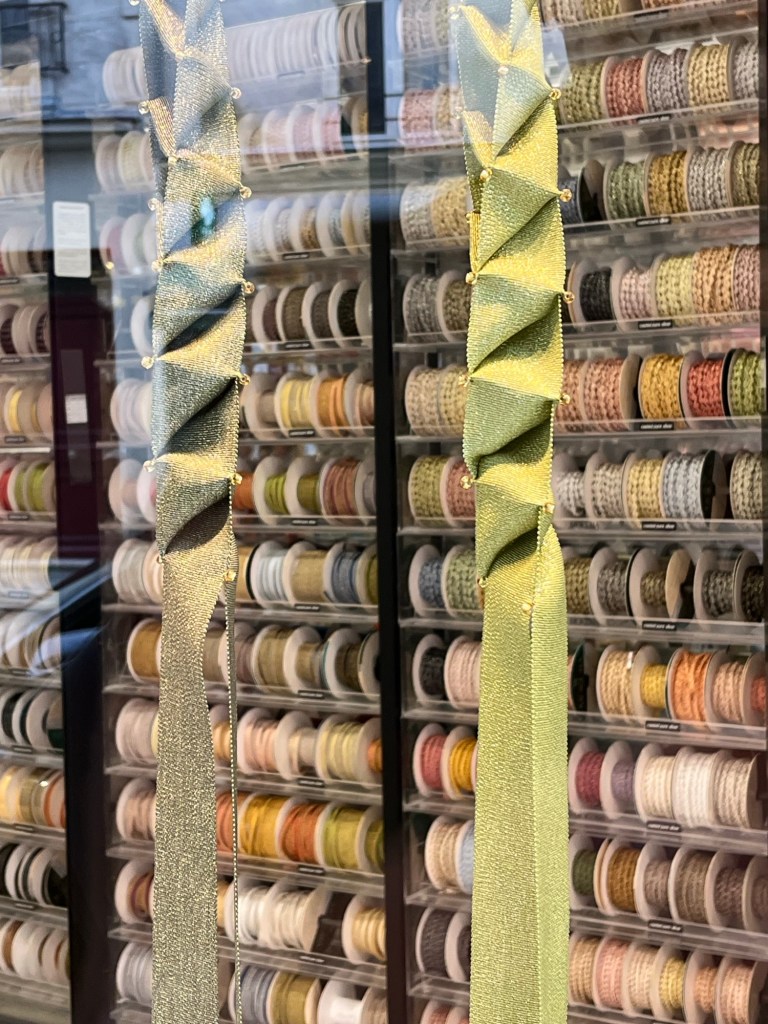
The Ribbon Store:
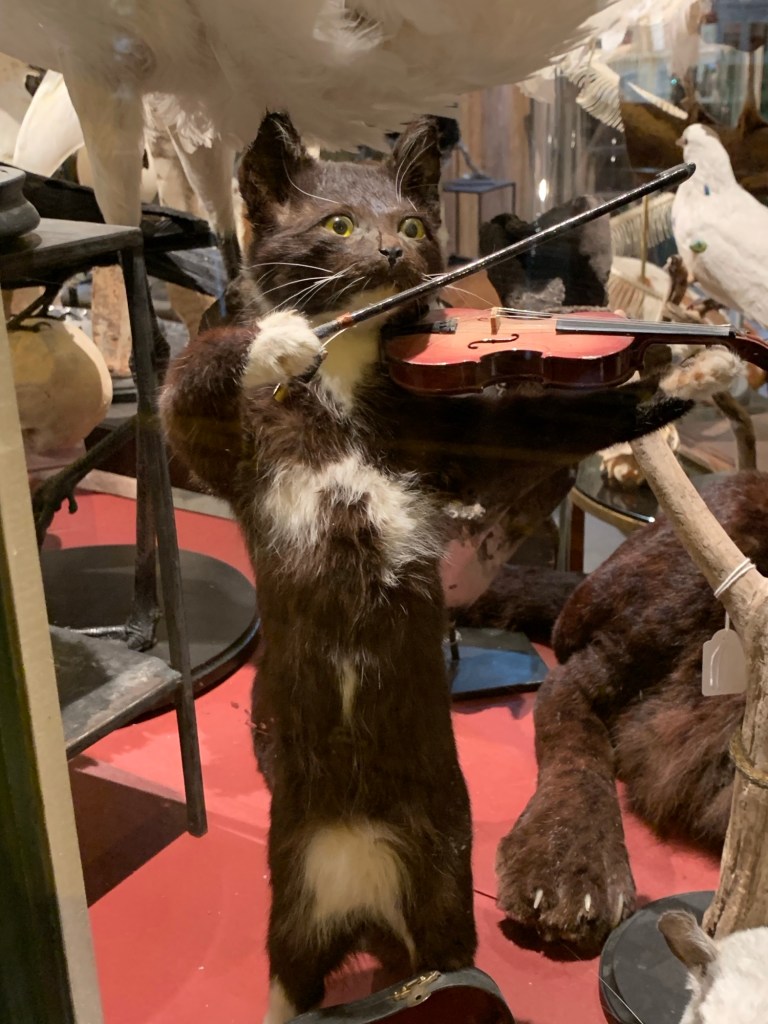
The Taxidermy Store:
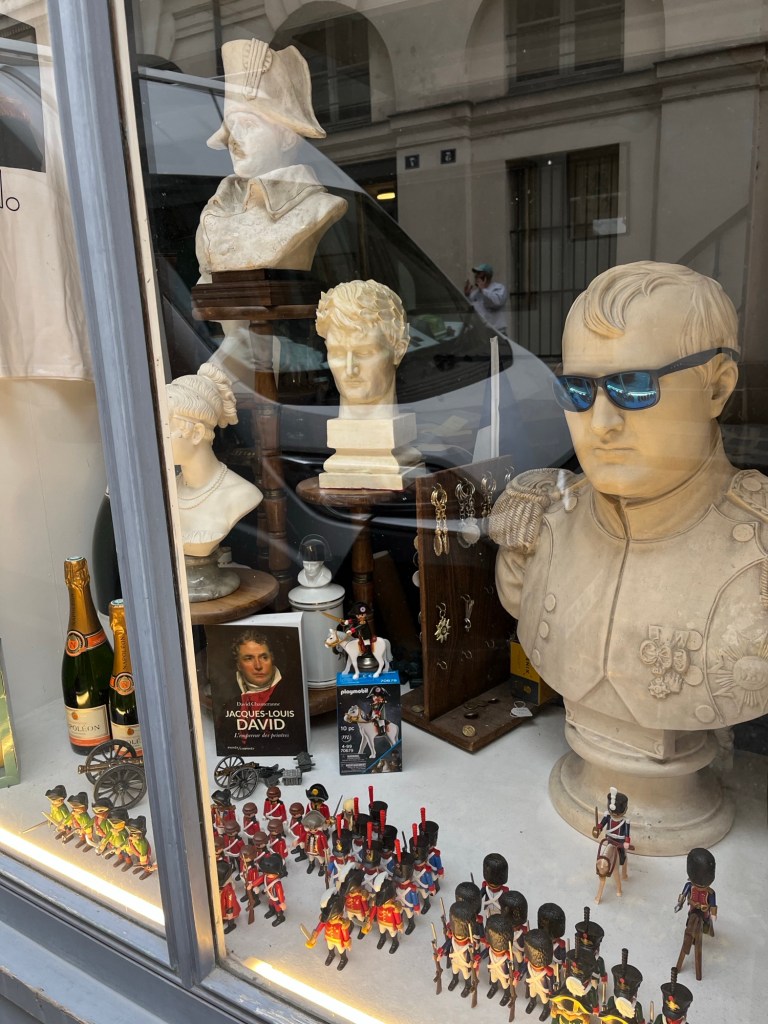
The Napoleon Store:
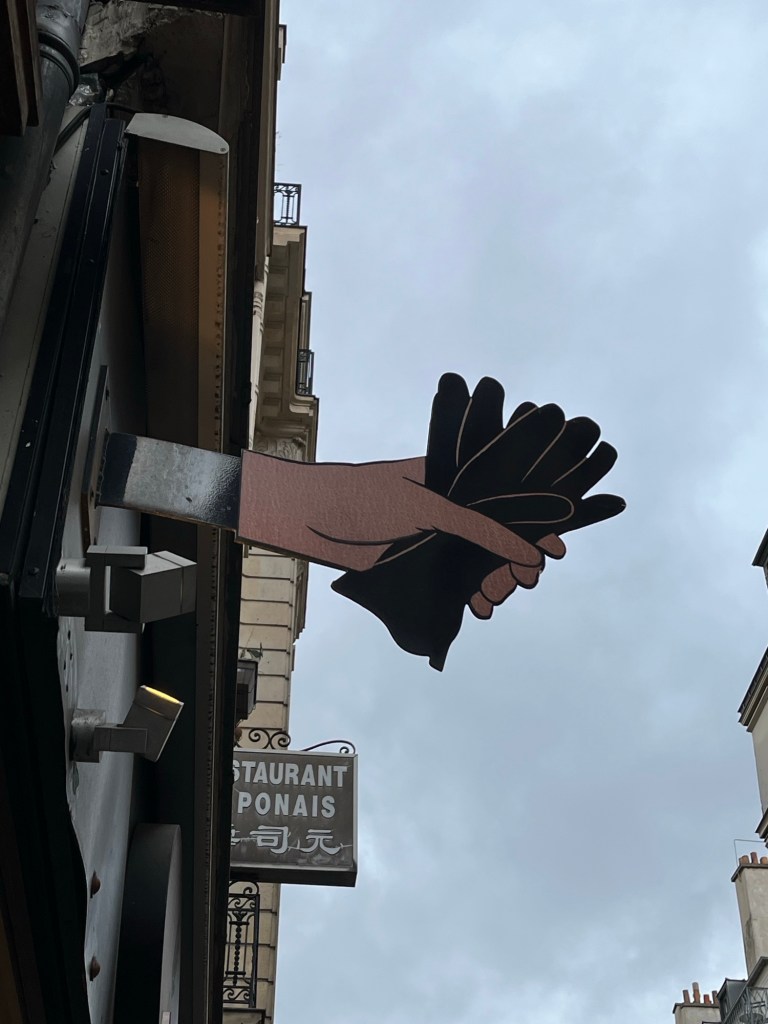
The Glove Store:
The Hairbrush Store:

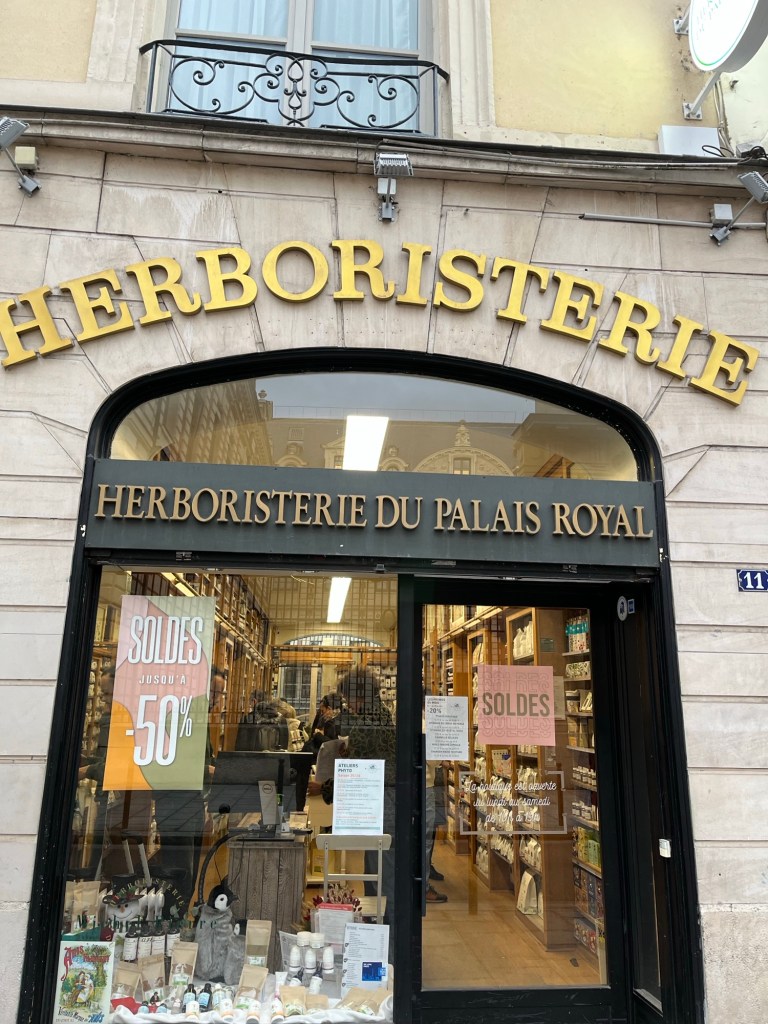
The Herb Store:
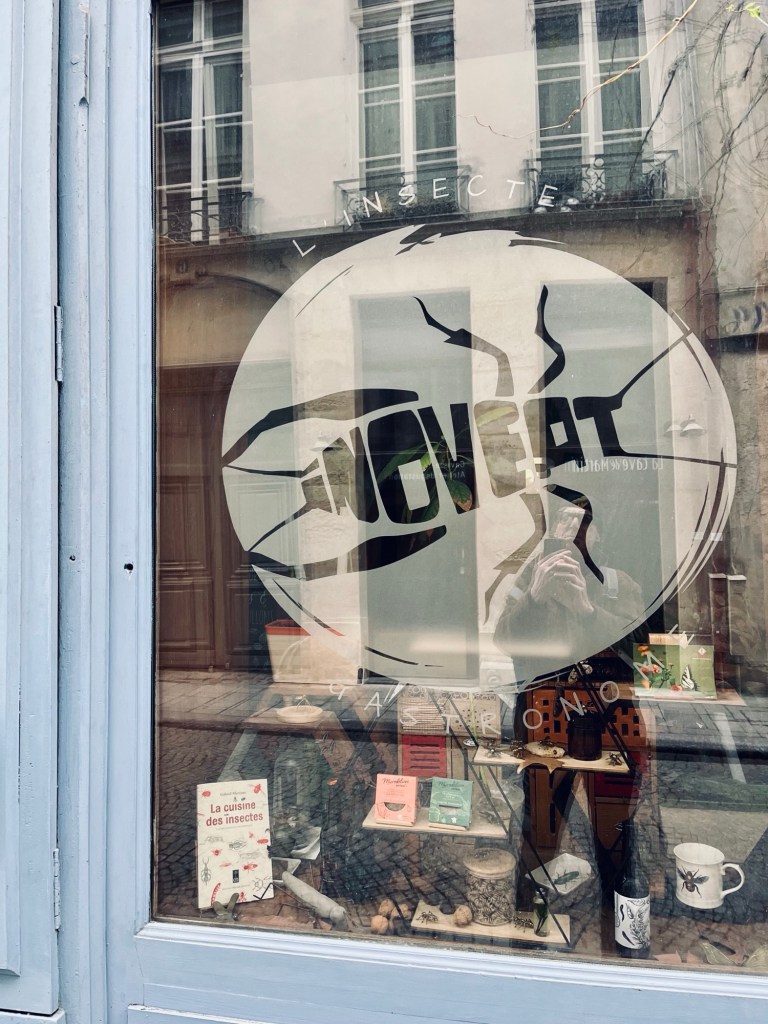
The Insect Restaurant:
Those are just the ones within a 10 minute walk of my apartment.
A little farther there are
The Ping Pong store,
The Lawyers’ Robe Store,
The Toy Train Store,
The Aviation Collectible Store,
The Fountain Pen Repair Shop and Store,
The Antique Doll Store,
The Woodwind Instrument Repair and Store,
The Mountaineering Bookstore and the Car Bookstore,
The Ricola throat lozenge Store,
The umbrella and cane store,
and La Maison de Kilts.
There were more. In the time I have lived here I have seen four or five bookstores vanish, despite the French government’s effort to protect bookstores by forbidding Amazon to sell books in print for less than the cover price.
I was sad to see the pipe store evicted at the Palais Royal, despite the petition to save it. It was the oldest shop there: over 200 years, since 1818.
It is now a waiting room for the Ministry of Culture. Shameful.
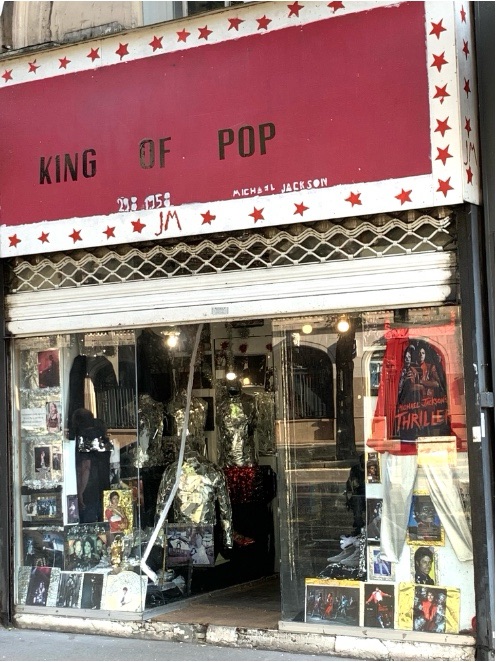
The Michael Jackson Store on Grands Boulevards is gone.
But our neighborhood somehow supports about twenty shops for postage stamp collectors and even one just for postage stamp collecting supplies like tweezers and magnifying glasses.
And maybe another dozen coin collecting stores.
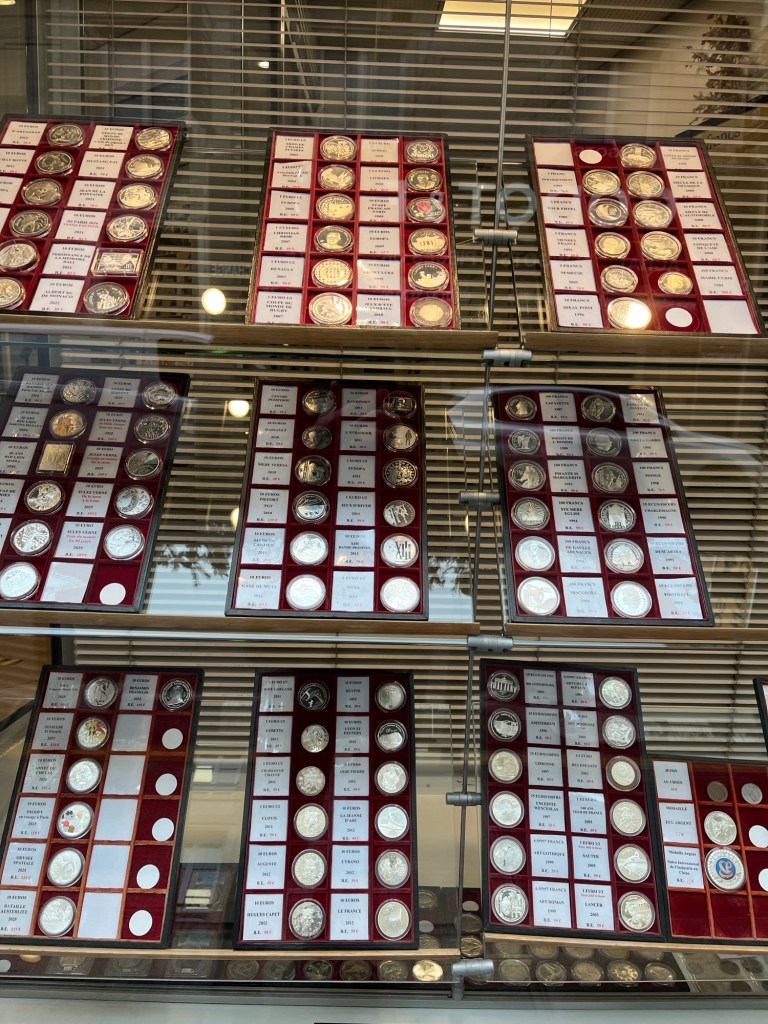
And medals:
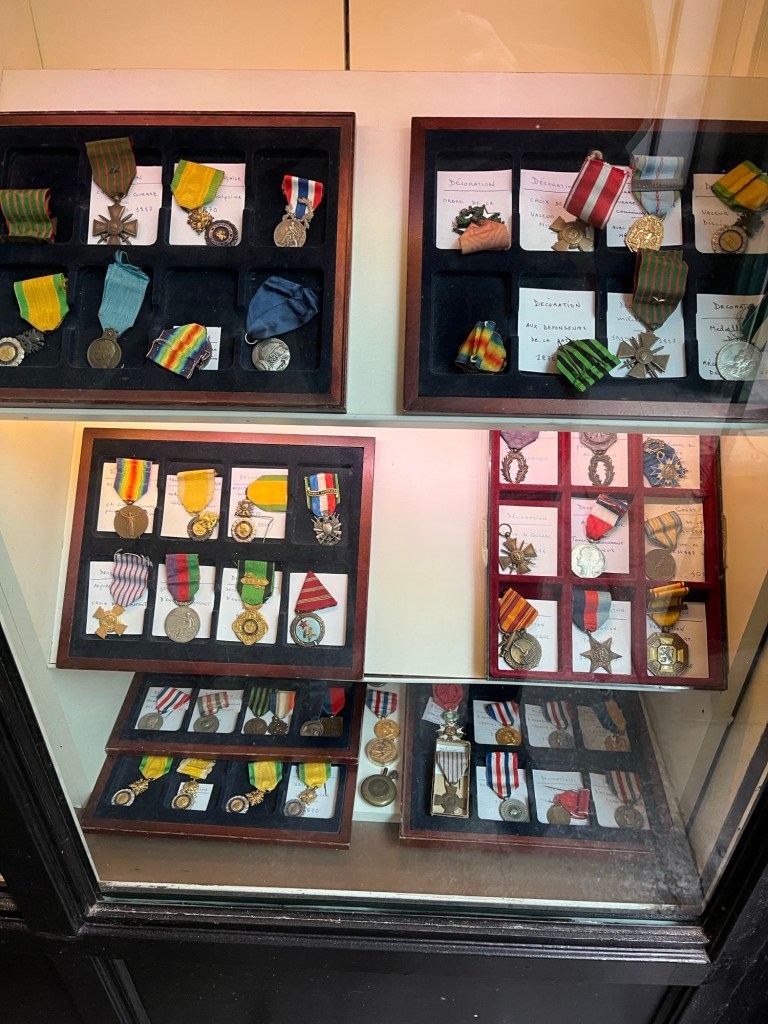
HOW DO THESE SHOPS SURVIVE ?
In part I think it is because of the tremendous density of Paris -it’s the most dense city in Europe. 2.1 million people live in the City’s 40 square miles, another 10 million live in the suburbs and about 50 million tourists visit every year.
By the way, the highest population count for Paris was in 1921: 2.9 million residents. Households got a lot smaller and now almost 20% of apartments are either vacant, second homes, or short term rentals.
The restaurants are helped out by the Tickets Déjeuner, lunch tickets, that employees might get. These vouchers are worth about $10/day. It’s a good deal for the worker and for the restaurants.
Plus hardly anyone has a car in Paris and shopping for dinner somehow requires you go to 4 or 5 shops, one for certain things and others for other things. It’s normal to have one favorite bakery for croissants, another for baguettes and another for a loaf of bread. It’s the culture.
For 19% of Paris shops, the City is their landlord. The City has the first right of refusal for retail leases and also for buildings for sale.
The City makes a real effort to curate these shops. So for example if someone in City Hall hears about a violin repair shop going out of business they offer a spot.
Because Parisians know that ce sont les petits commerces qui font la grande ville:
It’s the little shops that make the big city.
 David Prowler Blog
Love this. I will be
Bravo. Well done.
All that’s missing it the scotch tape store
https://www.instagram.com/reel/DLeCiQUOsaZ/?hl=en s4e2 10/14/78 Host Fred Willard #saturdaynightlive #snl #snlclassic huggy • Instagram reel instagram.com .
>
Love this one, David! Great photos.
Those pictured are my favorite types of brushes.
Thank you.
I love the density of Paris and you’ve beautifully captured the lifestyle. These stores seem like so much fun and I can’t wait to go walking with you!
Thank you.
Perfect. Wonderful. Puts a bounce in my step /daniel
Lovely, David … so appreciative! I do think Manhattan has these also .. the Button Shop, Vacuum Repair, … Wonderful observations from un flâneur with long legs!!!!!
Thank you!
Time for an “all things Duchamp” store has come. Don’t you think?
Great read, thanks!
We have a Prune shop near us on rue de Poncelet. All prunes all the time- confections, preserves, dried, stuffed, macerated, you name it!
This is my favorite: https://tampographe.com/
I felt like I just strolled the streets of Paris with you, David! You made my day!😀
Thank you!
A great summary of one of the many things that make Paris special.
Glorious!!! I just returned from 2 months in various small towns in Italy, and their thriving (small) commercial districts were a wonder to behold!!!
Thank you!
Merci mon pote. Tres amusant et edifiant comme toujours. T’en est specialist!
Thank you!
David:
It has been many years since we met. I think you were referred to me by Fred Pollock? I love the Petit Commerce and hope we can continue to support small independent stores in and around SF…it is tough..May you continue to enjoy Paris!
Thank you!