You’ve probably heard of Bilbao, Spain.
If you have, it is because of the Guggenheim Museum:
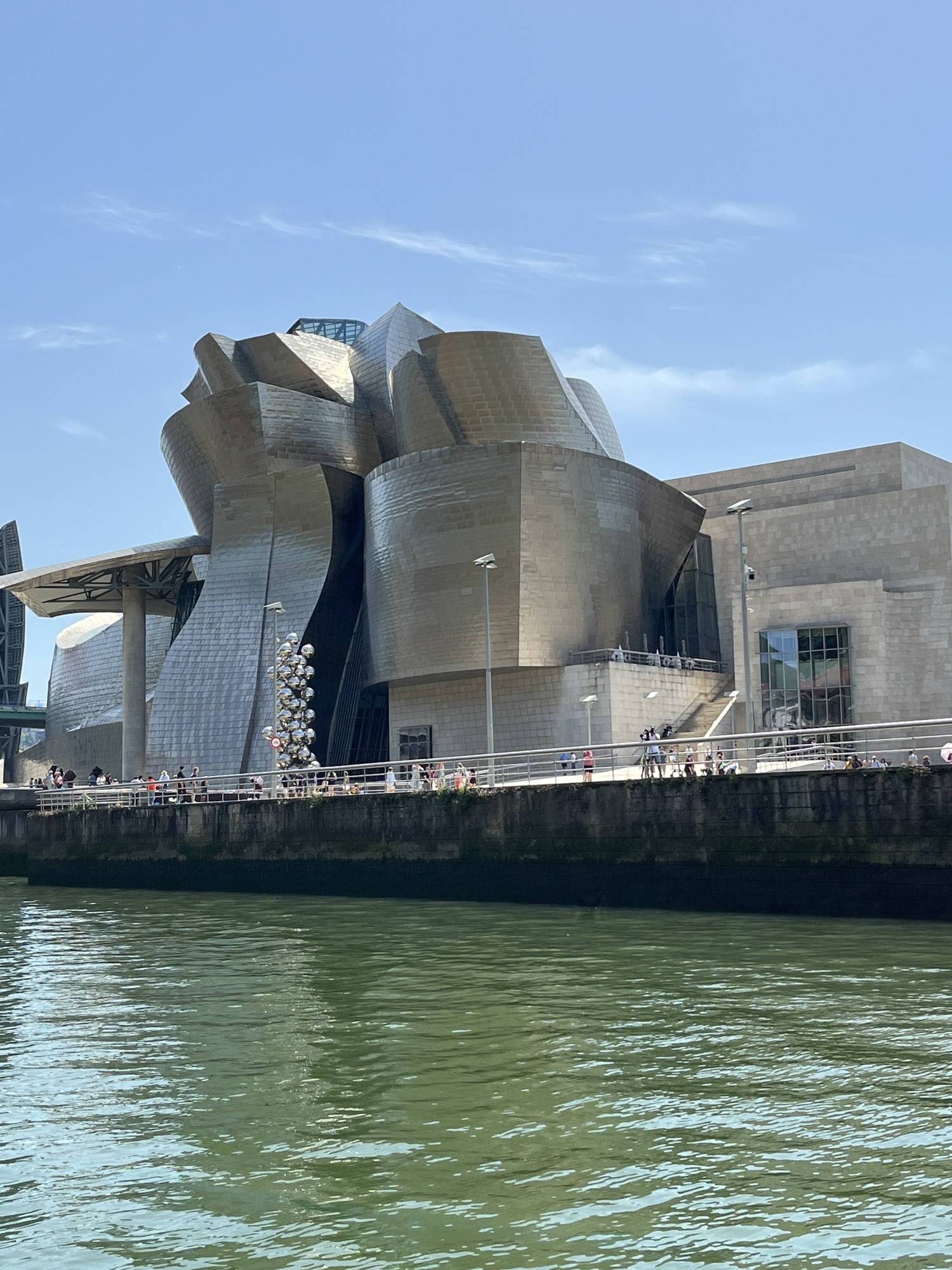 .
.
Not really because of the Museum, but because of the building, designed by Frank Gehry and built in 1997. It really put Bilbao on the map. Philip Johnson called it “the greatest building of our time” and the NY Times critic Herbert Muschamp called it “the reincarnation of Marilyn Monroe”.
There aren’t that many other buildings that are such icons of their cities.
I don’t need to tell you where these are:
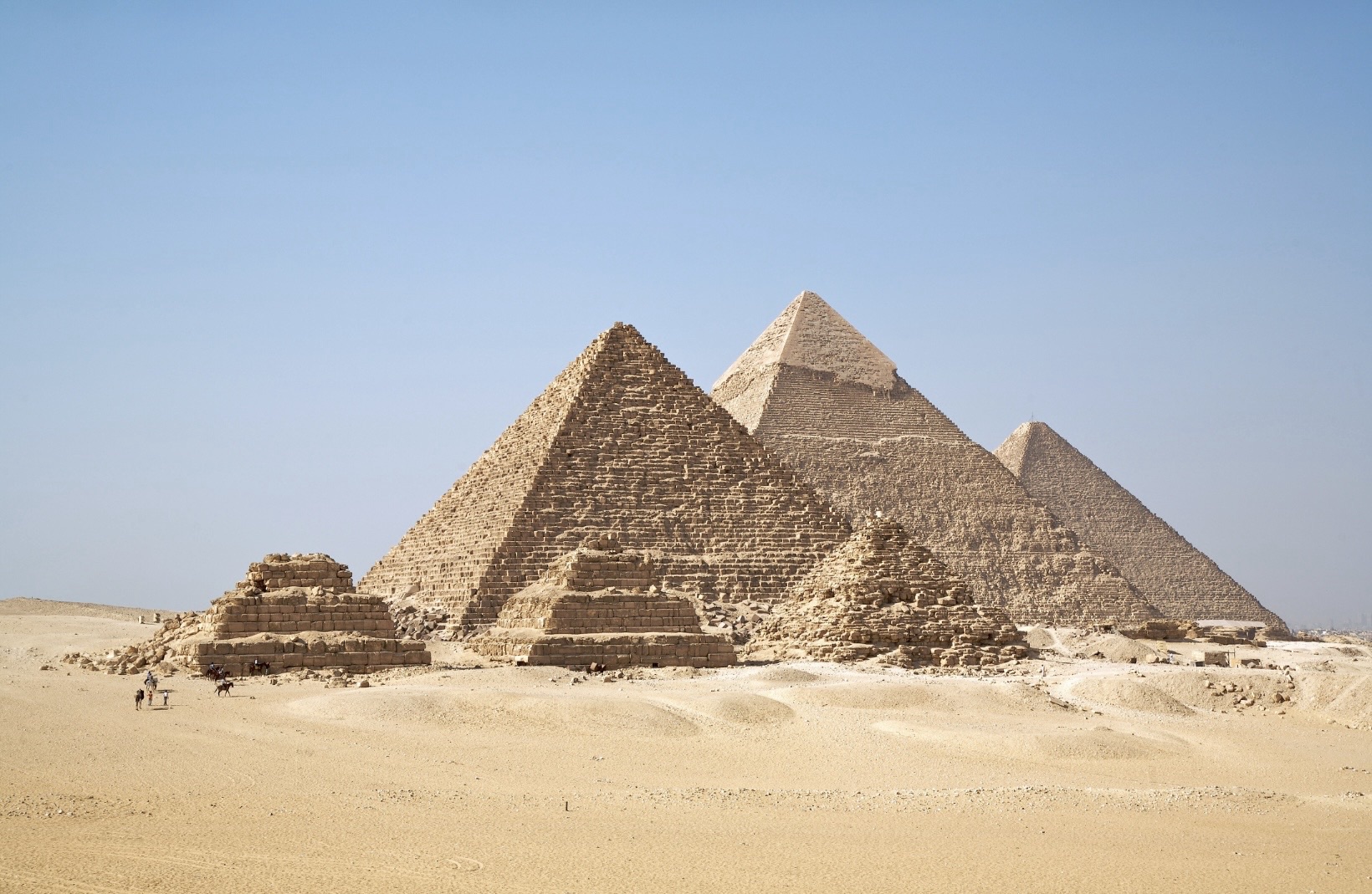
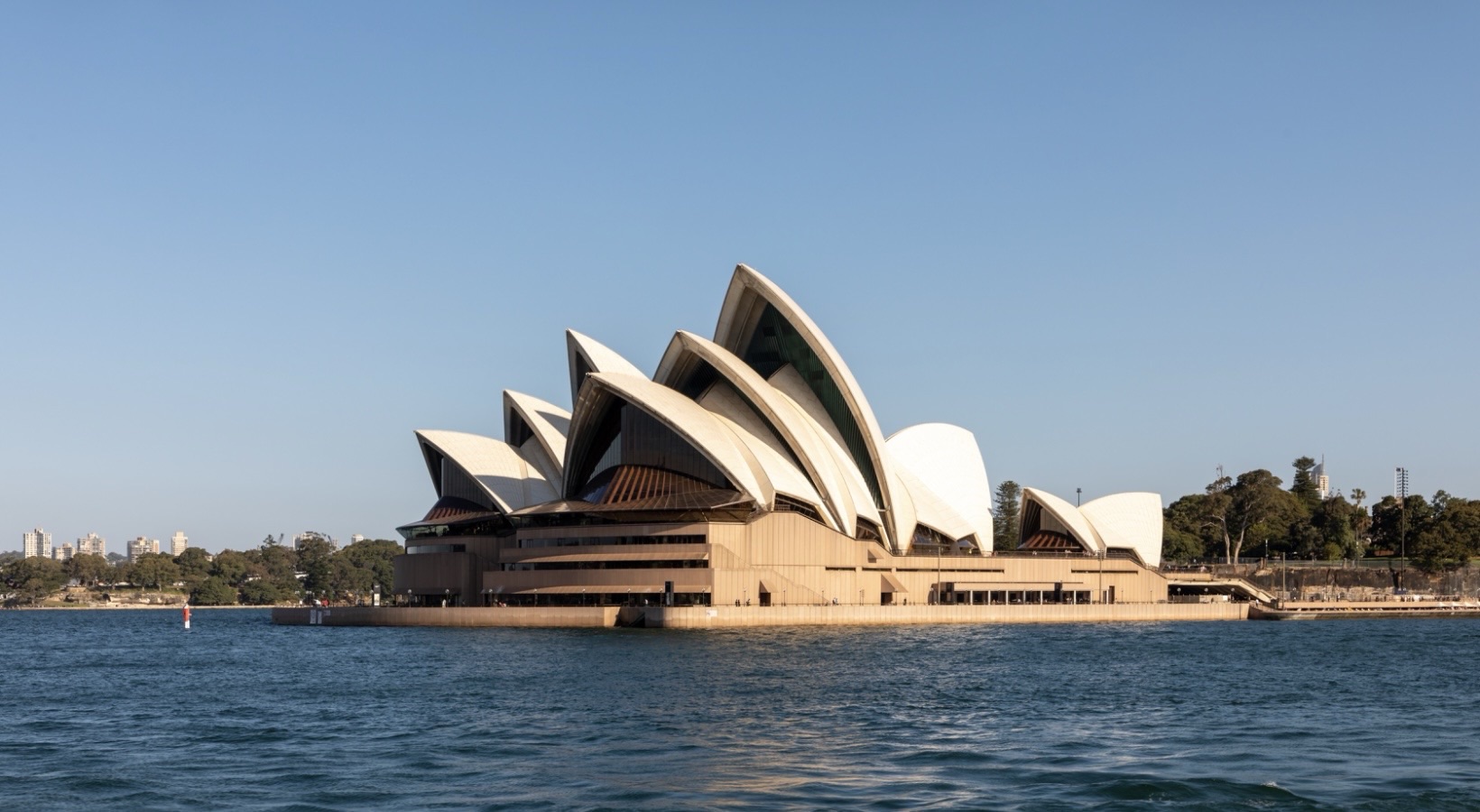
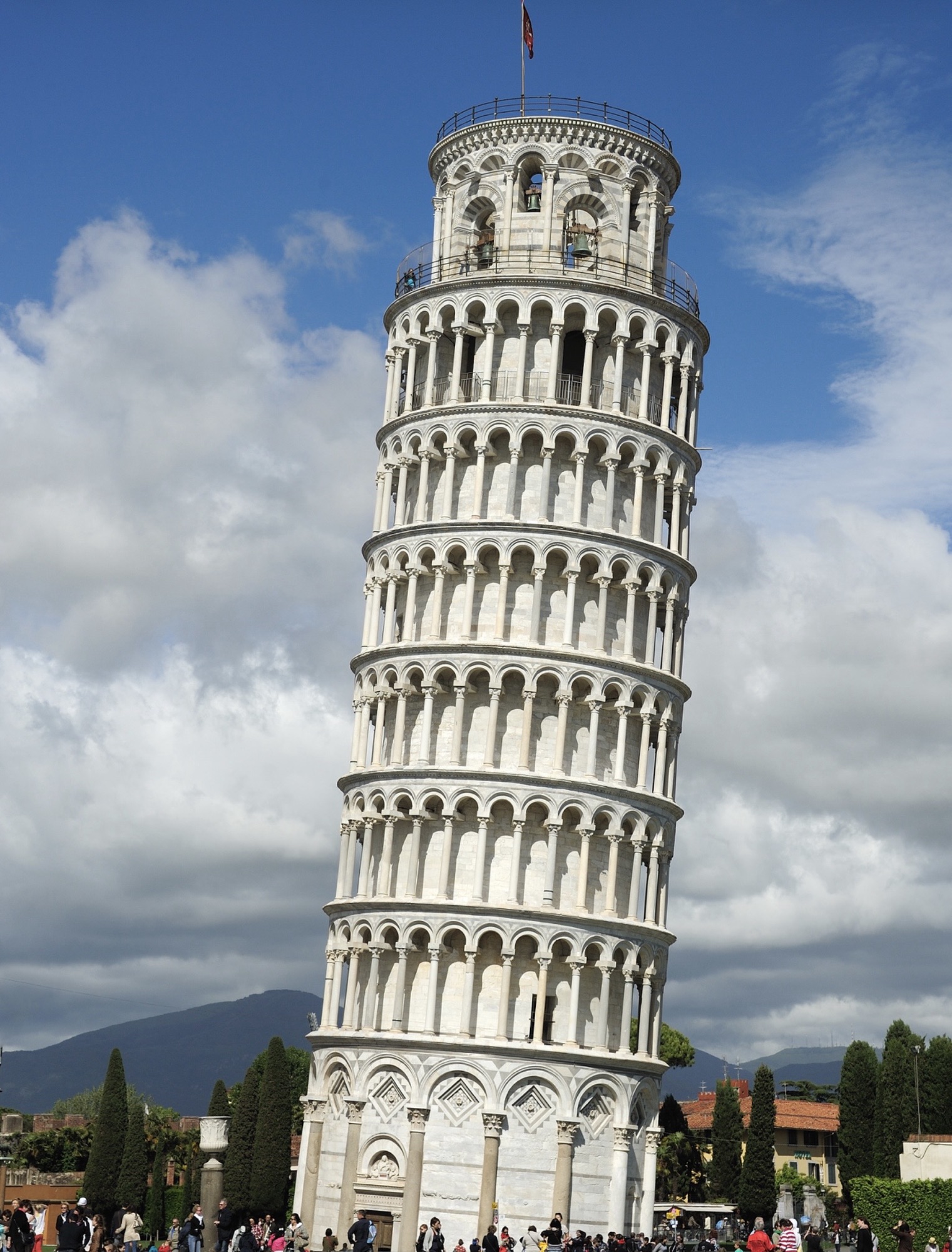
(Photo credits: Saffron Blaze, Dietmar Rabich, Wikimedia Commons)
I can’t even think of Cairo, Sydney, or Pisa without imagining these buildings.
Other cities have icons, but that isn’t all they are known for. There are lots of reasons to go to Paris or New York or San Francisco besides the Eiffel Tower, the Empire State Building, or the Golden Gate Bridge.
But if you go to Bilbao, it is for the Guggenheim. In 2025, there were 1.4 million hotel bookings in the city – and 1.3 million people visited the Museum.
Bilbao was in serious decline when the City decided to invite the Guggenheim. Global shipbuilding had shifted to Asia, steel demand fell, the mines closed, and the old industrial infrastructure became obsolete. Unemployment climbed to 25%, the estuary was heavily polluted from decades of industrial use, and large swaths of riverside land, including the area where the Guggenheim now sits, were derelict shipyards and warehouses.
The Basque conflict compounded the sense of crisis. In fact just 5 days before King Juan Carlos I inaugurated the Museum, Basque separatists shot and killed a policeman who interrupted them setting up a grenade launcher aimed at the building.
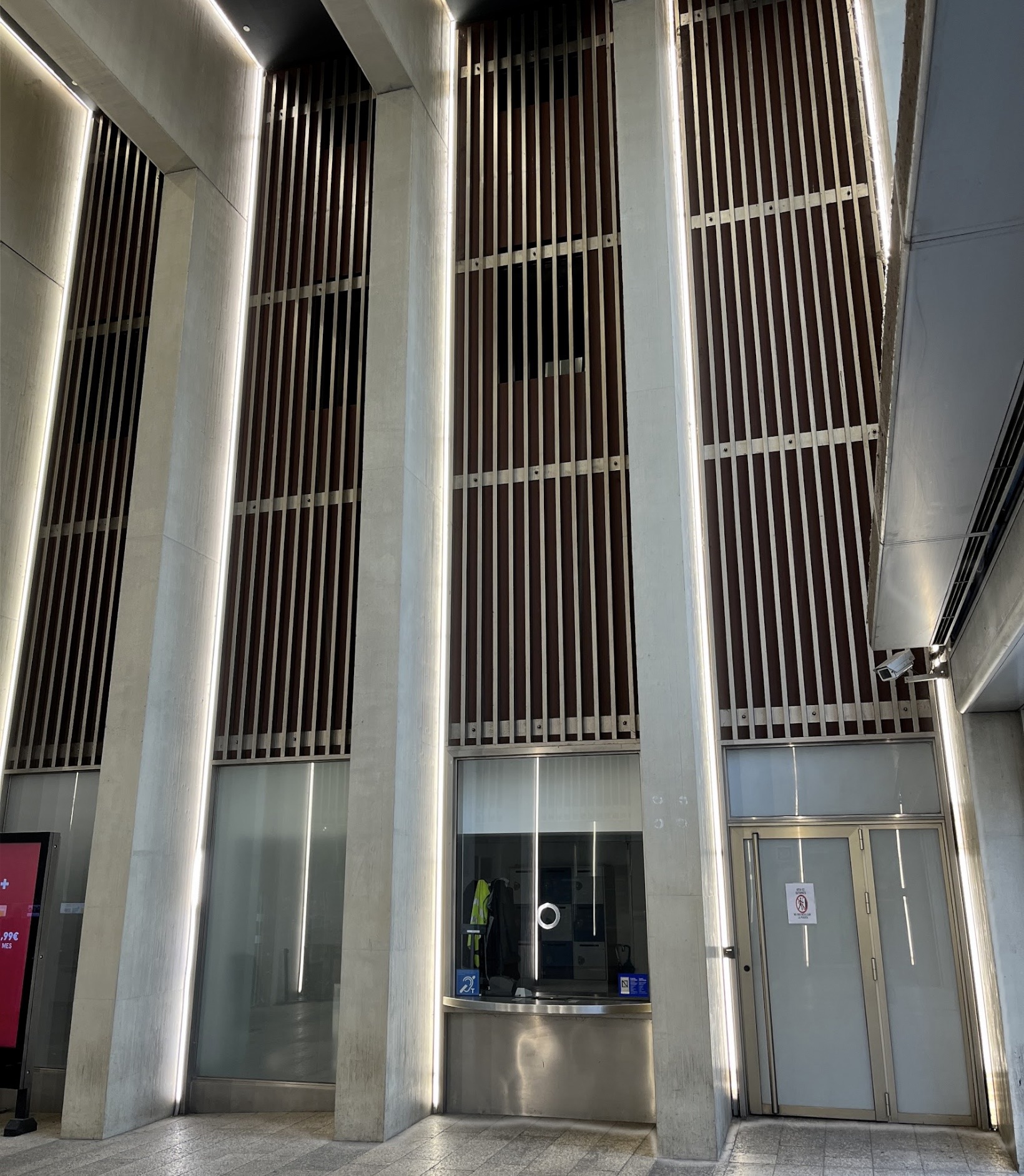
It was a tough time for the city but they decided to double down on architecture. Santiago Calatrava was hired to design a new airport and a bridge. Norman Foster designed the metro system:
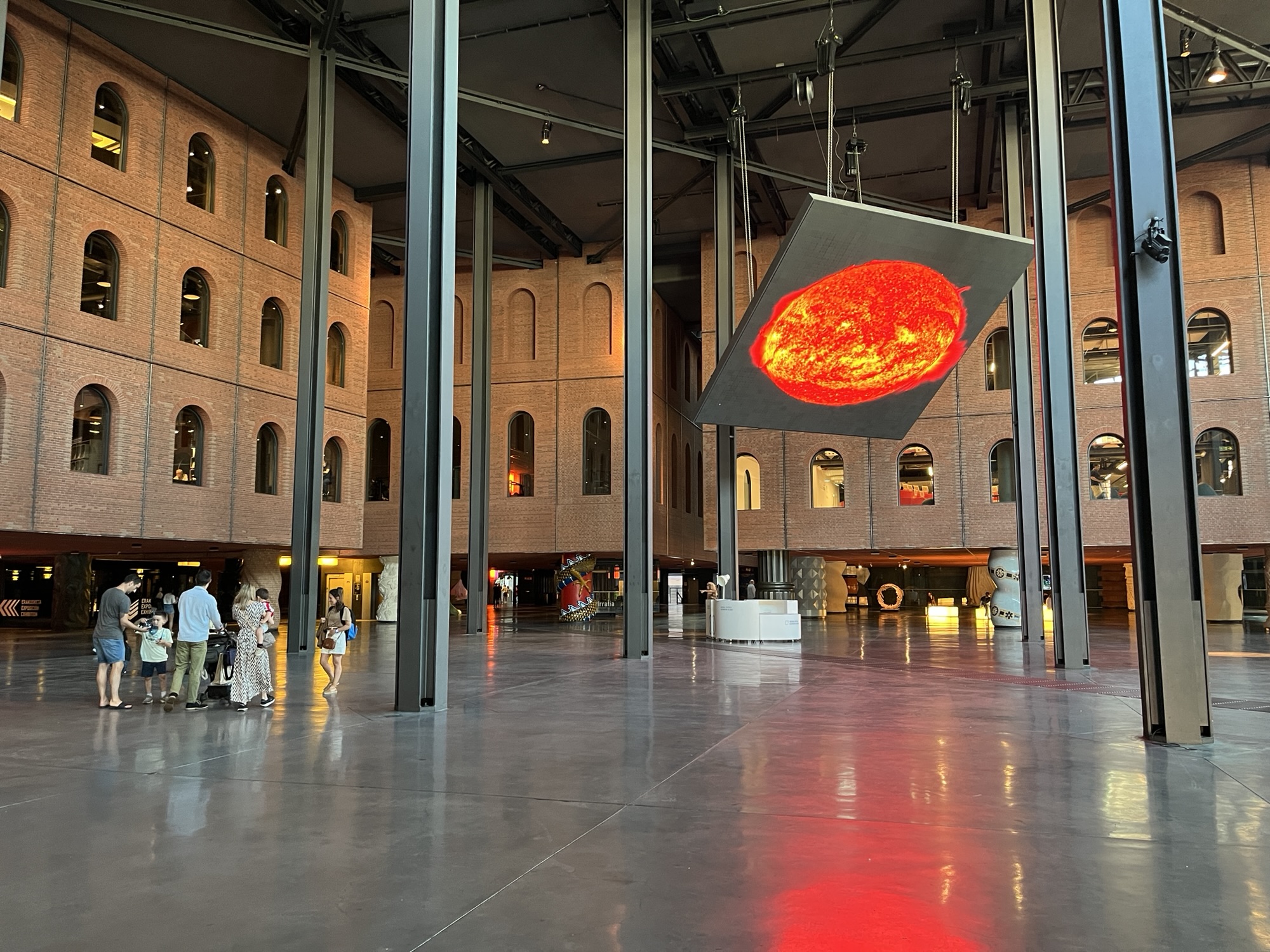
Álvaro Siza designed a university building, Robert Stern designed a shopping mall, and Philippe Starck converted a wine warehouse into a cultural center:
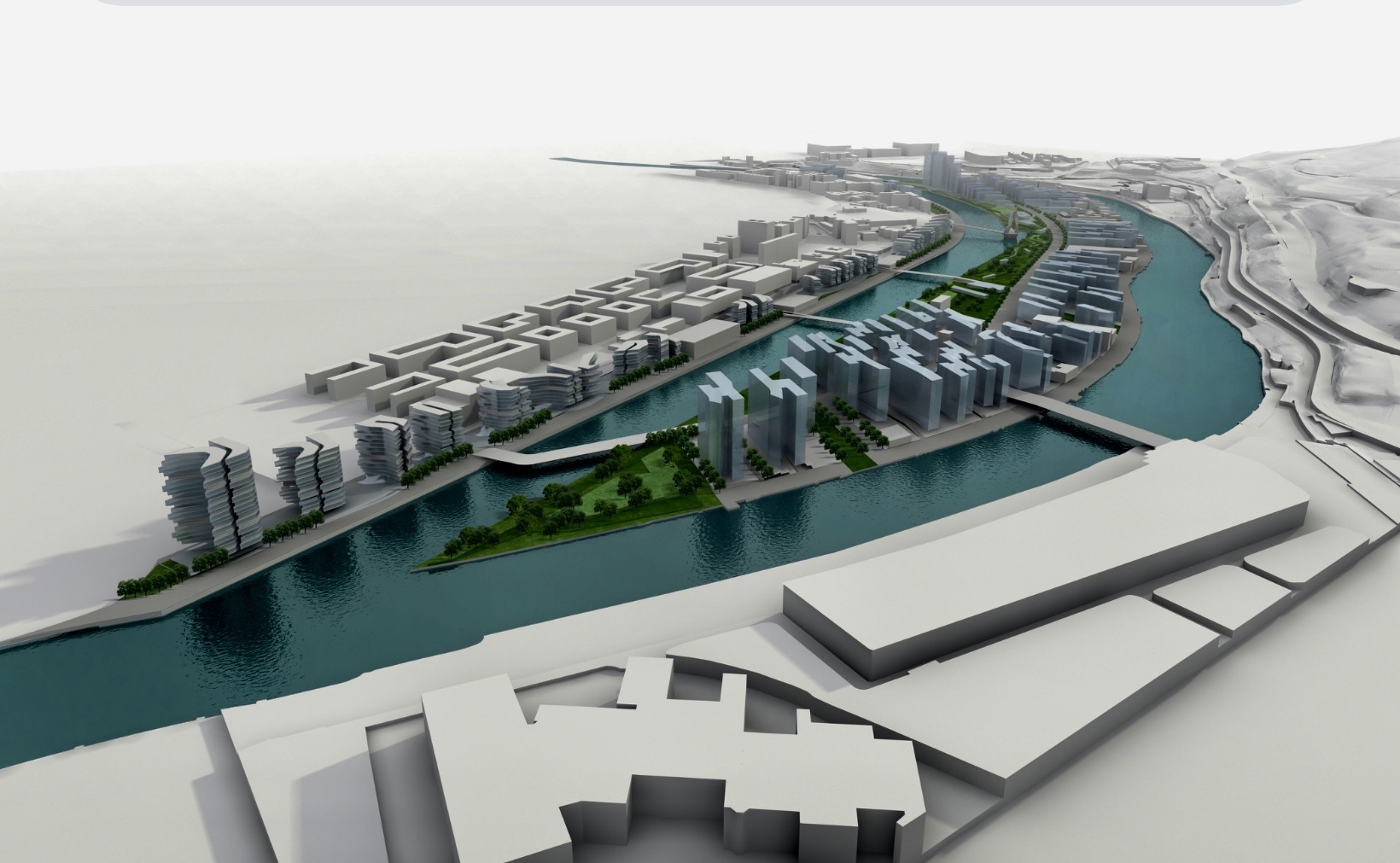
Zaha Hadid was brought in to do a master plan for a former industrial zone.
The museum is a significant economic force.
In 2025, under new director, Miren Arzalluz, the Guggenheim recorded 1,305,003 visitors and an economic impact of €782 million, supporting over 14,000 jobs. (The previous director went to prison for skimming some of that economic impact.)
This patronage costs a lot of money, and the city invested when funds were scarce. To attract the Guggenheim, the city paid $100 million for construction, a $20 million licensing fee, a $50 million art acquisition fee, and an annual operating subsidy. This at a time of economic and political crisis. I really admire the leadership of Bilbao for making such a bold gamble.
The result is called “the Bilbao Effect”, an urban turnaround triggered by investment in an iconic building or cultural center. Herbert Muschamp, writing in the New York Times, called it “The Miracle in Bilbao”.
Sometimes it works but sometimes it doesn’t. The Louvre Lens didn’t do much for that city. And when cities compete with stellar buildings it’s good for starchitects but the miracle gets diluted. Sometimes it isn’t even needed.
Look at Porto, Portugal. The city population of 249,000 is smaller than Bilbao’s 346,000 but the metropolitan population is about the same. 6.2 million tourists visited Porto in 2025, about 4 times Bilbao’s – without significant investment. And 1997, the year the Museum opened, saw deregulation of European airlines, leading to an explosion of mass tourism.
OK, so maybe the Guggenheim isn’t strictly necessary.
But it’s wonderful.
And it makes us reimagine what a building can be and to see the world in a new way.
And that’s what art is for.
……………………………………
David Prowler was Planning Commissioner and Director of Economic Development for the City of San Francisco. He recently published A Telegram From Marcel Duchamp https://www.amazon.com/dp/B0GTFLR5R9?lv=shuf&language=he&channelId=500&plpRedirect=mhFallback


A LOT OF THIS WAS VERY NEW TO ME BUT I FOUND IT VERY INTERESTING AND EDUCATIONAL. YOU SPENT A GREAT DEAL OF TIME RESEARCHING WHAT DO YOU THINK OF THE OBAMA PRESIDENTIAL CENTER? IT COST 850 MILLION BUT INCLUDES A LARGE NUMBER OF INTERESTING THINGS.
HOW WOULD YOU COMPARE ANY OF THE THINGS YOU WROTE ABOUT AND WHAT I WROTE ABOUT OBAMA’S PROJECT TO THE LINCOLN MEMORIAL REFLECTING POOL? IT ONLY COST 14+ MILLION DOLLARS.
HOPE ALL IS WELL. THINGS HERE ARE GOING WELL AND WHEN ARE YOU GOING TO BUILD A SMALL BOTANICAL GARDEN IN THE REAR OF OUR BUILDING?
I HOPE YOU DON’T MIND ME SENDING YOUR BLOG AROUND TO FRIENDS WHO ENJOY YOUR BLOG SUBJECT MATTER.
LOVE TO YOU AND SIMONE
MARTIN
Really good.
>
I love your dispatches–